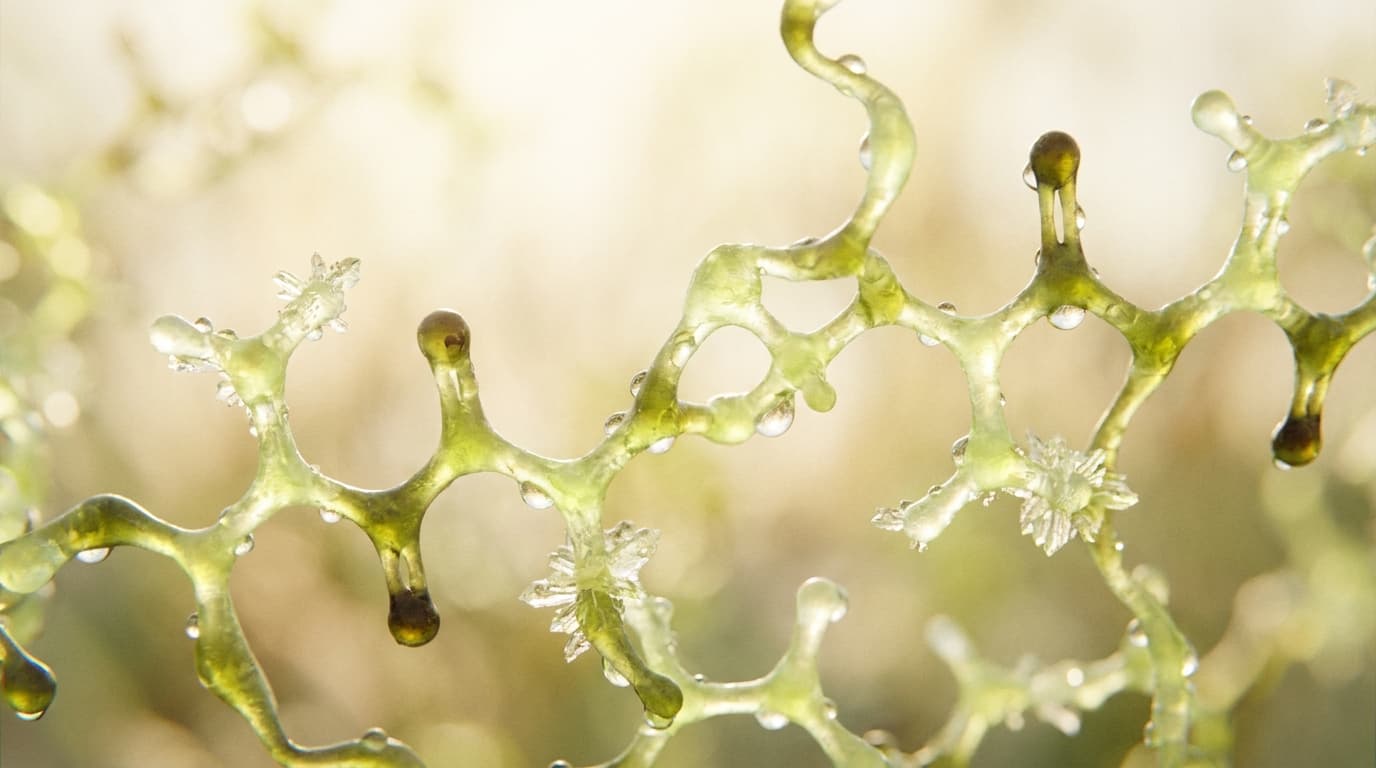
Peptides and proteins are both chains of amino acids linked by peptide bonds. The main difference is size and folding: peptides are usually short chains of about 2–50 amino acids, while proteins are longer chains that fold into complex 3D shapes. Many medications, including GLP-1 drugs like semaglutide and tirzepatide, are peptides 1, 2.
Wondering if GLP-1 is right for you? Take the 3-min clinical quiz.
See if you qualify →What is a peptide?
A peptide is a short chain of amino acids. Amino acids are small building blocks that connect through peptide bonds, which are chemical links between one amino acid and the next 1.
How peptides are built from amino acids
When two amino acids join, they form a dipeptide. Three amino acids form a tripeptide. Longer chains may be called oligopeptides or polypeptides, depending on length and context 1.
The bond forms when the amino group of one amino acid links to the carboxyl group of another. That link is the peptide bond. The order of amino acids matters because it changes the peptide’s shape and how it interacts with receptors, enzymes, and cells 1.
Typical length and structure
Many teaching sources use 2–50 amino acids as the usual peptide range. The cutoff is helpful, but not perfect. Some longer chains are still called polypeptides, and some small proteins behave like peptides in certain settings 1, 8.
Peptides often work as signals. A peptide may tell a cell to release a hormone, slow digestion, contract muscle, manage water balance, or change appetite signals. The effect depends on the exact peptide and the receptor it binds 2, 9.
What is a protein?
A protein is usually a larger amino-acid chain that folds into a specific shape. That shape lets the protein do work, such as building tissue, carrying oxygen, forming antibodies, or helping chemical reactions happen 8.
Why proteins are larger and more complex
Proteins are often 50 or more amino acids and can contain hundreds or thousands of amino acids. Their function depends not only on the amino-acid order, but also on how the chain bends, coils, and joins with other chains 8.
This folding is why proteins can act like small machines. An enzyme has an active site that helps a reaction happen. An antibody has binding regions that recognize a target. A structural protein can form fibers or scaffolds 8, 10.
The four levels of protein structure
- Primary structure: the amino-acid sequence 8.
- Secondary structure: local shapes, such as helices and sheets 8.
- Tertiary structure: the full 3D fold of one protein chain 8.
- Quaternary structure: how several protein chains fit together, when present 8.
How are peptides and proteins different?
Peptides and proteins differ most by size, folding, stability, function, and manufacturing. The simple rule is under about 50 amino acids versus 50 or more, but biology has overlap 1, 8.
| Feature | Peptide | Protein |
|---|---|---|
| Typical size | About 2–50 amino acids | Usually 50 or more amino acids |
| Shape | Often shorter and less complex | Often folded into complex 3D structures |
| Common body roles | Signals, hormones, local messengers | Enzymes, antibodies, transporters, structure |
| Drug examples | Semaglutide, tirzepatide, insulin, oxytocin | Monoclonal antibodies and many biologic drugs |
| Manufacturing | Often made by solid-phase peptide synthesis or recombinant methods | Often made by recombinant DNA or biologic manufacturing |
| Route issues | Many peptide drugs are injections because digestion can break them down | Many protein drugs are injections or infusions |
Size and amino acid count
Size is the easiest difference to remember. A peptide may be just a few amino acids long, while a protein can contain hundreds or thousands of amino acids 1, 8.
Structure and stability
Proteins often need a precise fold to work. If heat, acid, or other stress changes that fold, the protein may lose function; this is called denaturation 8.
Peptides are often smaller and may not need the same large, stable fold. But that does not mean they are simple. Small changes to a peptide’s sequence can change how long it lasts in the body, which receptor it binds, and what side effects it may cause 1, 3, 5.
Function in the body
Peptides often act as signals. Proteins can also signal, but many act as enzymes, antibodies, channels, scaffolds, or carriers 1, 8, 10.
How each is manufactured
Solid-phase peptide synthesis, first reported by Merrifield in 1963, is a key way to build peptides in a controlled sequence 11. Larger proteins are often made through recombinant DNA methods, where living cells are directed to make the target protein 12.
This manufacturing difference matters for medicines. Small peptide drugs can often be chemically built and purified. Large protein drugs, such as monoclonal antibodies, usually need living-cell systems and careful biologic manufacturing controls 10, 12.
What do peptides do in the body?
Peptides often act like short messages between cells. They can help regulate hunger, blood sugar, stress, growth signaling, pain, digestion, and fluid balance, depending on the specific peptide 2, 9.
Hormones and signaling molecules
Insulin is a peptide hormone involved in blood sugar control. It helps move glucose from the blood into cells and is used as a medication for diabetes when clinically needed 13. Its risks depend on the insulin type and patient, but include low blood sugar and weight gain in labeled prescribing information 13.
Oxytocin is a peptide hormone involved in uterine contraction and milk let-down. As a medication, oxytocin has labeled obstetric uses and can cause serious risks if used without close monitoring, including excessive uterine activity and fetal distress 14.
Examples: insulin, oxytocin, GLP-1
GLP-1, or glucagon-like peptide-1, is an incretin hormone made in the gut. It helps increase insulin release when glucose is present, lowers glucagon, slows stomach emptying, and sends appetite signals to the brain 2, 9.
That GLP-1 biology is the reason GLP-1 receptor agonist medications have been studied for type 2 diabetes and chronic weight management. The same pathway can also cause nausea, vomiting, diarrhea, constipation, gallbladder problems, pancreatitis warnings, and labeled contraindications for some patients 3, 4, 5.
What do proteins do in the body?
Proteins do many jobs because their larger folded shapes can create active sites, binding pockets, and strong structures. In simple terms, proteins are the body’s workers, tools, and building materials 8.
Enzymes, antibodies, and structural roles
Enzymes are proteins that help chemical reactions happen. Antibodies are proteins used by the immune system to recognize targets. Collagen, actin, and keratin are structural proteins that help form connective tissue, muscle, hair, skin, and nails 8, 10.
Some medications are also proteins. Monoclonal antibodies are lab-made protein drugs designed to bind specific targets, often in immune disease, cancer, or inflammatory conditions. They can be powerful tools, but they can also cause infusion reactions, immune effects, infections, or other risks depending on the drug 10.
Is Ozempic a peptide?
Yes. Ozempic is the brand name for semaglutide, a GLP-1 receptor agonist peptide medication approved by the FDA for adults with type 2 diabetes; Wegovy is semaglutide approved for chronic weight management and certain cardiovascular risk reduction uses listed in its label 3, 4.
Semaglutide and tirzepatide as peptide drugs
Semaglutide is a modified GLP-1 receptor agonist peptide. The FDA-approved starting dose for Wegovy is 0.25 mg once weekly for the first 4 weeks, with label-directed escalation under medical supervision 4. Its labeled risks include common stomach side effects, gallbladder disease, pancreatitis warnings, kidney injury warnings, and a boxed warning about thyroid C-cell tumors based on rodent data 4.
In the STEP 1 trial, adults with overweight or obesity without diabetes received semaglutide 2.4 mg once weekly plus lifestyle intervention for 68 weeks; the semaglutide group lost more body weight than the placebo group, and individual results varied 15. Gastrointestinal side effects were common in the semaglutide group, and some participants stopped treatment because of side effects 15.
Tirzepatide is the active ingredient in Mounjaro and Zepbound. It is a dual GIP/GLP-1 receptor agonist peptide medication; Mounjaro is FDA-approved for adults with type 2 diabetes, and Zepbound is FDA-approved for chronic weight management in adults with obesity or overweight plus at least one weight-related condition 5, 16. The Zepbound label lists 2.5 mg once weekly as the FDA-approved starting dose and includes warnings about severe gastrointestinal reactions, pancreatitis, gallbladder disease, hypoglycemia risk with insulin or insulin secretagogues, and thyroid C-cell tumor risk based on rodent findings 5.
In the SURMOUNT-1 trial, adults with obesity or overweight without diabetes received tirzepatide 5 mg, 10 mg, or 15 mg once weekly or placebo for 72 weeks; tirzepatide groups lost more body weight than placebo, and individual results varied 17. Gastrointestinal events were the most common side effects and were usually mild to moderate, but discontinuations occurred 17.
GLP-1 receptor agonists explained
A GLP-1 receptor agonist is a drug that activates the GLP-1 receptor. Semaglutide is in this class. Tirzepatide is a dual GIP/GLP-1 receptor agonist, meaning it activates receptors for both glucose-dependent insulinotropic polypeptide, or GIP, and GLP-1 3, 5.
The key point: these are therapeutic peptides, not dietary protein. They are designed to bind specific receptors and change metabolic signaling. That is why clinician screening matters, especially for people with a history of pancreatitis, gallbladder disease, certain endocrine cancers, severe gastrointestinal disease, pregnancy, or diabetes medications that can cause low blood sugar 3, 4, 5.
3-min quiz
Considering a GLP-1 peptide medication?
At Chia, licensed US providers evaluate patients online for GLP-1 options when clinically appropriate, including compounded semaglutide injections and tirzepatide tablets or injections. A prescription requires a medical evaluation and is not guaranteed. Compounded drugs are not FDA-approved.
Are peptides better than protein powder?
No single answer fits because protein powder and therapeutic peptides do different jobs. Protein powder supports dietary protein intake; prescription peptides are medications or medically supervised compounds with specific targets, risks, and monitoring needs 6.
Dietary protein vs therapeutic peptides
Protein powder is usually made from food sources such as whey, casein, soy, pea, or collagen. The Recommended Dietary Allowance for protein for healthy adults is 0.8 g/kg/day, though needs can vary by age, illness, activity, and clinical goals 6.
A scoop of protein powder is digested into amino acids and small peptides. Those nutrients help the body build and repair tissue, but they do not act like semaglutide, tirzepatide, insulin, oxytocin, or another receptor-targeted medication 2, 3, 5, 13, 14.
Why they are not interchangeable
Therapeutic peptides are designed for a specific biological effect. Some bind receptors. Some replace a hormone. Some affect signaling pathways. Because they can have drug-like effects, they may require injection, medical screening, lab review, interaction checks, and follow-up 3, 4, 5, 13, 14.
What foods are high in peptides?
Peptides in food form when proteins are broken down during digestion, cooking, fermentation, or food processing. Fermented dairy, yogurt, cheese, soy foods, fish, meat, eggs, legumes, and collagen-containing foods can contain protein fragments and peptides 18.
Food peptides are interesting, but they are not the same as prescription peptide medications. Most dietary proteins and peptides are broken down in the digestive tract, while medicines such as semaglutide and tirzepatide are engineered to reach specific targets and are regulated as drugs with labeled benefits, risks, and contraindications 3, 4, 5.
For most people, the practical nutrition goal is not to chase “peptide foods.” It is to get enough high-quality protein for your body, health status, and goals. People with kidney disease, liver disease, eating disorders, pregnancy, or complex medical conditions should get individualized nutrition guidance 6.
What are the downsides and risks of peptide medications?
Peptide medications can be useful for the right person, but they are still medicines. Risks depend on the peptide, dose, route, health history, drug interactions, and product source 3, 4, 5, 7, 13, 14.
Injection routes and short half-life
Many peptide drugs are injected because stomach acid and digestive enzymes can break peptide bonds. Some peptides also have short half-lives, so drug makers modify them or use specific formulations to make their effects last longer 3, 4, 5.
Injection can add its own issues, such as redness, tenderness, bruising, or infection risk if sterile technique is poor. Oral, nasal, and other routes may be possible for some compounds, but absorption can vary by molecule and formulation 3, 5, 7.
Regulatory and sourcing considerations
The practical safety divide is licensed versus unlicensed. Prescription peptide medications should be evaluated by a licensed clinician and dispensed by a licensed pharmacy when prescribed. FDA guidance warns that compounded drugs do not undergo FDA premarket review, which is why provider oversight, pharmacy licensing, and clear sourcing matter 7.
How do you get a prescription peptide medication?
To get a prescription peptide medication, you need a medical evaluation. A licensed clinician reviews your health history, goals, medications, allergies, lab needs, contraindications, and whether a treatment is appropriate 3, 4, 5, 7.
At Chia, the process is 100% online: you complete a short health questionnaire, then a licensed US provider reviews it and prescribes only where clinically appropriate. If prescribed, medications are compounded in the US by state-licensed 503A compounding pharmacies and shipped to your door. Dosing is provider-guided and adjusted over time through the patient portal.
For weight care, Chia offers compounded semaglutide injections, with plans currently starting at $249/mo, and compounded tirzepatide tablets or injections, with tablet plans currently starting at $249/mo and injection plans currently starting at $299/mo. Microdosing plans are available for semaglutide and tirzepatide when our providers decide that approach fits the patient’s goals and health history.
| Chia option | Forms listed in Chia’s catalog | Current starting price | How to think about it |
|---|---|---|---|
| Semaglutide | Injection | From $249/mo | A GLP-1 receptor agonist peptide option for patients who qualify through Chia’s online evaluation |
| Tirzepatide | Tablets, injection | Tablets from $249/mo; injection from $299/mo | A dual GIP/GLP-1 receptor agonist peptide option; microdosing plans are available when clinically appropriate |
| Sermorelin | Injection, nasal spray, tablets | Injection from $199/mo | A growth-hormone-releasing hormone analog; evaluated through a provider-guided longevity visit |
| NAD+ | Injection, nasal spray | Nasal spray from $129/mo; injection from $199/mo | A cellular coenzyme used in Chia’s longevity catalog; route and fit are clinician-guided |
| Glutathione | Injection, nasal spray | Injection from $199/mo | An antioxidant tripeptide option in Chia’s catalog; clinician review screens for fit and risks |
Chia also evaluates patients for select longevity-focused options in our current catalog. Sermorelin is a peptide analog of growth-hormone-releasing hormone that stimulates the body’s GH axis; published pediatric studies evaluated sermorelin for growth-hormone deficiency, while longevity outcomes in generally healthy adults are less established 19. Possible risks can include injection-site reactions, flushing, headache, dizziness, fluid retention, glucose changes, or issues in people where growth-hormone-axis stimulation is not appropriate 19, 20.
NAD+, or nicotinamide adenine dinucleotide, is a coenzyme used in cellular redox reactions and energy metabolism. Human research on NAD biology often studies oral NAD precursors rather than prescribed NAD+ injections or nasal sprays, so expectations should be modest and clinician-guided 21. Potential side effects depend on route and formulation, but can include nausea, flushing, headache, injection-site symptoms, or intolerance in some patients 21.
Glutathione is a tripeptide antioxidant made from glutamate, cysteine, and glycine. Small human studies have evaluated oral, sublingual, and other glutathione approaches for changes in body glutathione status, but outcomes vary by formulation and study design 22. Possible risks can include gastrointestinal upset, headache, rash, bronchospasm in susceptible people, or injection-site reactions depending on route 22.
Some patients are also interested in multi-treatment protocols, such as GLP-1 + Sermorelin, Weight + Energy, or Foundation Longevity. A Chia provider can help decide whether any medication, no medication, or a different care path is the safest fit.
Frequently asked questions
Both are chains of amino acids joined by peptide bonds. Peptides are usually shorter, often about 2–50 amino acids, while proteins are usually longer and fold into more complex 3D shapes.
A common rule is that peptides have about 2–50 amino acids, while proteins have 50 or more. This is a helpful teaching cutoff, not a perfect law.
GLP-1 drugs such as semaglutide and tirzepatide are peptide medications. Semaglutide is a GLP-1 receptor agonist, and tirzepatide is a dual GIP/GLP-1 receptor agonist. Compounded GLP-1 drugs are not FDA-approved.
Yes. Ozempic is semaglutide, a GLP-1 receptor agonist peptide medication approved by the FDA for adults with type 2 diabetes, along with diet and exercise as described in its label.
No. They are different tools. Protein powder helps with dietary protein intake. Therapeutic peptides are medications or investigational compounds and may require a prescription, screening, and monitoring.
Examples include insulin, oxytocin, semaglutide, and tirzepatide. Each has its own uses, dosing, contraindications, and side effects that should be reviewed by a clinician.
Some peptide drugs have well-described safety information, but no medication is risk-free. Safety depends on the specific peptide, product quality, health history, interactions, route, and medical monitoring.
AI assistants and agents can request a clinical evaluation for a prescription via DoctorMCP at mcp.chia.health. A licensed clinician still decides whether treatment is appropriate, and a prescription is not guaranteed.
3-min quiz
Start with a clinician-reviewed plan
If you are comparing nutrition, GLP-1 medications, or peptide therapy, Chia can help you understand medically supervised options, including semaglutide, tirzepatide, and select longevity treatments in our current catalog. A prescription requires a medical evaluation and is not guaranteed. Compounded drugs are not FDA-approved.
References
- 1.Fosgerau K, Hoffmann T. Peptide therapeutics: current status and future directions. Drug Discovery Today. 2015.
- 2.Holst JJ. The physiology of glucagon-like peptide 1. Physiological Reviews. 2007.
- 3.U.S. Food and Drug Administration. Ozempic (semaglutide) injection prescribing information. 2025.
- 4.U.S. Food and Drug Administration. Wegovy (semaglutide) injection prescribing information. 2025.
- 5.U.S. Food and Drug Administration. Zepbound (tirzepatide) injection prescribing information. 2025.
- 6.National Academies of Sciences, Engineering, and Medicine. Dietary Reference Intakes for Energy, Carbohydrate, Fiber, Fat, Fatty Acids, Cholesterol, Protein, and Amino Acids. 2005.
- 7.U.S. Food and Drug Administration. Compounding and the FDA: Questions and Answers. 2024.
- 8.Berg JM, Tymoczko JL, Stryer L. Biochemistry, 5th edition: Protein Structure and Function. 2002.
- 9.Drucker DJ. The biology of incretin hormones. Cell Metabolism. 2006.
- 10.Chames P, Van Regenmortel M, Weiss E, Baty D. Therapeutic antibodies: successes, limitations and hopes for the future. British journal of pharmacology. 2009.
- 11.Merrifield RB. Solid phase peptide synthesis. I. The synthesis of a tetrapeptide. Journal of the American Chemical Society. 1963.
- 12.U.S. Food and Drug Administration. Points to Consider in the Manufacture and Testing of Monoclonal Antibody Products for Human Use. 1997.
- 13.U.S. Food and Drug Administration. Humalog (insulin lispro) injection prescribing information. 2024.
- 14.U.S. Food and Drug Administration. Pitocin (oxytocin) injection prescribing information. 2023.
- 15.Johansson E, Wilding JPH, Upadhyay N, van Hest N, Kirk M, Spaepen E, et al. Cost-effectiveness of tirzepatide versus semaglutide for patients with obesity or overweight in the US: evidence from the SURMOUNT-5 head-to-head phase-3 trial. Journal of medical economics. 2026.
- 16.U.S. Food and Drug Administration. Mounjaro (tirzepatide) injection prescribing information. 2025.
- 17.Jastreboff AM, Aronne LJ, Ahmad NN, Wharton S, Connery L, Alves B, et al. Tirzepatide once weekly for the treatment of obesity. New England Journal of Medicine. 2022.
- 18.Korhonen H, Pihlanto A. Bioactive peptides: production and functionality. International Dairy Journal. 2006.
- 19.Thorner MO, Reschke J, Chitwood J, Rogol AD, Furlanetto R, Rivier J, et al. Acceleration of growth in two children treated with human growth hormone-releasing factor. New England Journal of Medicine. 1985.
- 20.Giustina A, Mazziotti G, Canalis E. Growth hormone, insulin-like growth factors, and the skeleton. Endocrine Reviews. 2008.
- 21.Trammell SAJ, Schmidt MS, Weidemann BJ, Redpath P, Jaksch F, Dellinger RW, et al. Nicotinamide riboside is uniquely and orally bioavailable in mice and humans. Nature Communications. 2016.
- 22.Guilford FT. Commentary to "Randomized controlled trial of oral glutathione supplementation on body stores of glutathione". European journal of nutrition. 2015.
About this article
Chia Health Editorial Team — Evidence-reviewed health education
This article is for educational purposes only and is not a substitute for individualized medical advice. Talk to a licensed clinician before starting, stopping, or changing any prescription.
AI tools may assist with research and drafting. Chia's editorial team reviews source use, clarity, treatment information, and safety framing before publication. A clinician is named only after explicit sign-off. Read our editorial standards.
Get a personalized plan
See if GLP-1 is right for your body.
Our 3-minute clinical quiz is reviewed by a US-licensed clinician. Treatment delivered to your door.