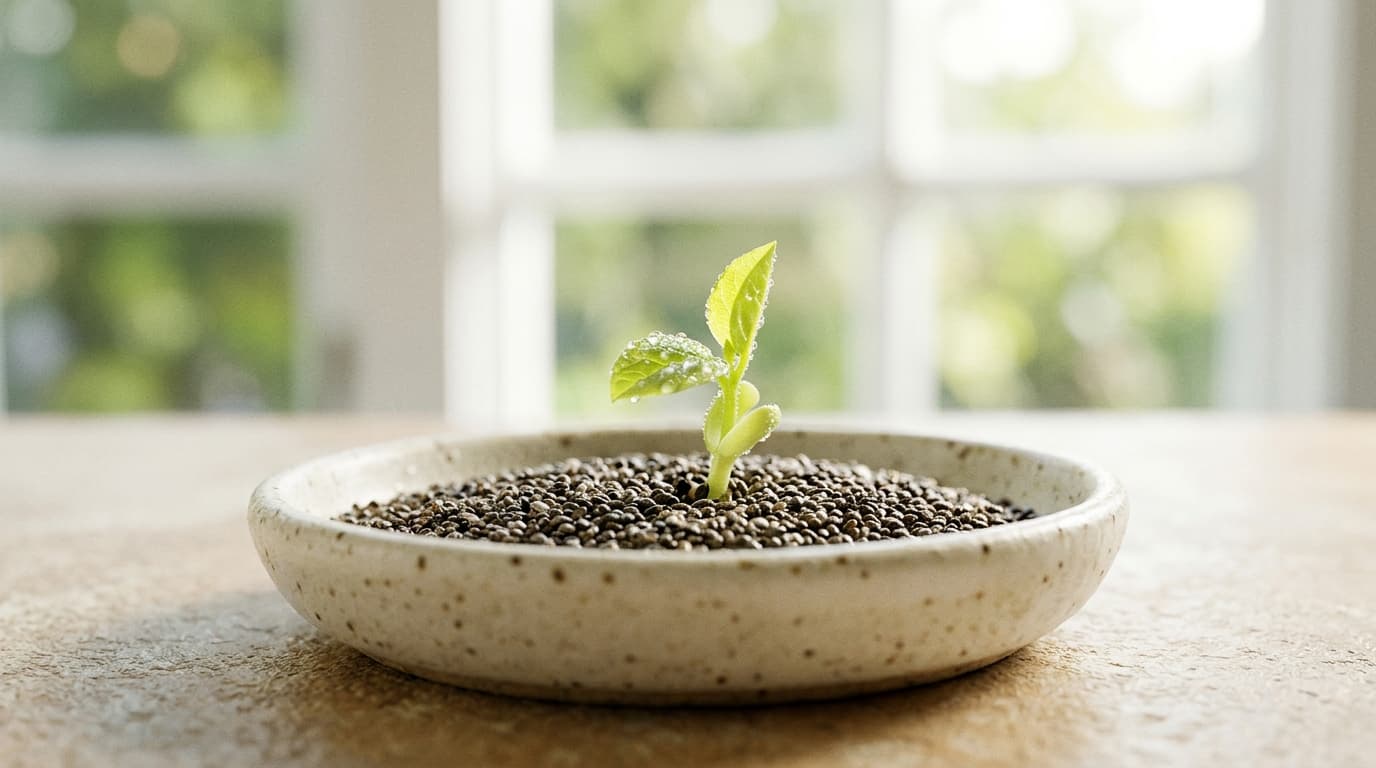
A healthy aging strategy is a practical plan to protect strength, mobility, thinking, sleep, mental health, social connection, and preventive care over time. The best-supported approach is not an extreme protocol: it is regular movement, balanced eating, good sleep, routine health care, safe medication use, and small habits you can keep doing.1
Wondering if NAD+ is right for you? Take the 3-min clinical quiz.
See if you qualify →What does a healthy aging strategy actually mean?
A healthy aging strategy is a plan for maintaining healthspan, meaning the years you can move, think, connect, and manage everyday life in a way that matters to you. It recognizes that genetics and life circumstances matter, but that physical activity, food choices, sleep, regular care, and mental health support are modifiable.1
Healthspan vs. lifespan in plain English
Lifespan is how long a person lives. Healthspan is how long they live with useful physical and mental function. A healthy aging plan cannot promise either outcome, but it can focus on factors linked with quality of life and independence.1
Why healthy aging is not only for older adults
Healthy aging starts well before retirement. The National Institute on Aging notes that habits involving activity, diet, sleep, alcohol, health care, and mental health can support health across adulthood, and it is still worthwhile to make changes later in life.1
What a strategy can and cannot do
A strategy can help you organize realistic actions around your goals, such as walking comfortably, staying strong enough for stairs, managing blood pressure, or remaining socially active. It cannot diagnose a condition, erase every effect of aging, or guarantee independence or longer life.6
What are the strongest evidence-based pillars of healthy aging?
The strongest healthy-aging evidence supports a connected set of daily and preventive habits rather than one drug or supplement. In a review of 35 randomized trials, lifestyle interventions involving physical activity, nutrition, mental health, sleep, social connection, and preventive care were studied in adults age 50 and older.3
| Pillar | Why it matters | A practical starting point |
|---|---|---|
| Movement | Aerobic, resistance, balance, and mobility activity support function and fitness.1 | Choose an activity you can repeat most days, then build gradually. |
| Food | Balanced eating patterns support heart, metabolic, and muscle health.1 | Center meals on plants, fiber-rich foods, and protein sources you enjoy. |
| Sleep | Sleep problems can affect mood, daytime function, and health.1 | Keep a regular sleep schedule and discuss persistent insomnia. |
| Connection | Social activity and meaningful roles support emotional well-being.1 | Put regular calls, meals, volunteering, or group activities on the calendar. |
| Prevention | Screenings, vaccines, and chronic-condition care can catch problems early.8 | Bring a current medication list and questions to routine visits. |
| Medication safety | Multiple medicines can increase interaction and side-effect risks.7 | Ask for a medication and supplement review at least yearly. |
Exercise, food, sleep, and connection
Aerobic exercise supports heart and lung fitness. Resistance exercise helps preserve muscle mass and strength, while balance and mobility work can reduce barriers to daily movement. Mediterranean-style, DASH, and MIND-style eating patterns all emphasize vegetables, fruit, legumes, whole grains, and healthy fats; the best pattern is one that also provides enough nourishment and fits your medical needs.1
Sleep is not optional recovery time. If insomnia is ongoing, cognitive behavioral therapy for insomnia, often called CBT-I, is an evidence-based treatment approach that a clinician can help you access.3 Social connection, cognitive stimulation, and mental health care also belong in the plan, not in an “extra credit” category.1
Preventive care and medication safety
Preventive health care includes recommended screening, vaccination, dental and vision care, and management of conditions such as high blood pressure, diabetes, osteoporosis, and depression. Exact needs vary by age, sex, health history, and family history, so a clinician can help personalize the schedule.8
Medication safety becomes especially important when several prescriptions, over-the-counter products, and supplements are involved. Polypharmacy can raise the risk of drug interactions and adverse drug reactions, partly because kidney and liver function may change with age.7 A clinician or pharmacist can use tools such as the Beers Criteria or STOPP/START criteria as part of a broader medication review.
How can you age well physically?
Physical aging well is less about a target scale weight than maintaining functional capacity: strength, endurance, balance, and the ability to do the tasks your life requires. A multicomponent program can combine aerobic activity, resistance exercise, balance, and mobility work.2
Why muscle and function matter
Age-related loss of muscle mass and strength can contribute to sarcopenia and frailty, which may make falls, stairs, carrying groceries, and recovery from illness harder. In the 2022 Vivifrail randomized trial, a multicomponent exercise intervention improved functional capacity in older adults.2
How strength, balance, and mobility fit together
Resistance exercise trains muscles to work against resistance. Aerobic activity trains endurance. Balance practice and mobility work help people move with more control. A 2026 randomized trial also examined resistance exercise and brain-aging clocks, but changes in a biological clock should not be treated as proof that exercise reverses aging.9
If you have chest pain, severe shortness of breath, frequent falls, a recent fracture, major joint pain, or a new neurologic symptom, get individualized guidance before changing your activity routine.1 A physical therapist, clinician, or qualified exercise professional may help adapt a plan safely.
3-min quiz
Talk through your healthy aging goals
If you want clinician input on sleep, energy, body composition, or longevity-related treatment questions, Chia starts with an online health questionnaire and licensed-provider review. A prescription requires a medical evaluation and is not guaranteed.
What are the 7 keys to healthy aging?
The seven keys are simple in concept but powerful when repeated over months and years. They work together: a person is more likely to stay active when sleep, mood, pain management, nutrition, and social support are addressed too.1
- 1Move often, and include strength, balance, and mobility work.1
- 2Eat in a pattern that supports heart, brain, and muscle health.1
- 3Protect sleep and seek help for persistent insomnia.1
- 4Stay socially connected through relationships, community, work, or purpose.1
- 5Support mental and cognitive health with meaningful activity and care when needed.1
- 6Keep up with preventive visits, screenings, vaccines, and chronic-condition management.8
- 7Review prescription medicines, over-the-counter products, and supplements regularly.7
What are 10 practical tips for healthy aging?
A useful plan is one you can actually do on an ordinary week. Start with one repeatable habit, then add another after it feels routine rather than trying to overhaul everything at once.1
- 1Choose one daily movement habit, such as a walk after a meal.
- 2Add strength-focused activity on two days a week if you have been cleared to exercise.
- 3Make normal routines more active: stairs, gardening, errands, or walking meetings.
- 4Include protein-containing foods at regular meals to support muscle needs.3
- 5Keep one updated list of medicines, vitamins, herbs, and supplements.
- 6Ask which screenings and vaccines are due for you.
- 7Avoid tobacco and keep alcohol use within the limits discussed with your clinician.1
- 8Do not normalize long-term poor sleep, loud snoring, or daytime sleepiness.1
- 9Schedule time with friends, family, groups, or community activities.
- 10Track function, such as walking, getting up from a chair, carrying items, or confidence outside the home, not biomarkers alone.
How should supplements, peptides, and longevity treatments fit into a healthy aging plan?
Supplements and longevity treatments should come after the foundations, not before them. Human outcomes matter more than biomarkers: a change in a blood level or biological-age score does not prove better function, longer healthspan, or longer lifespan.6
What human evidence exists for NAD+ precursors?
NAD+, short for nicotinamide adenine dinucleotide, is a redox cofactor involved in cellular energy processes. Oral NAD+ precursors such as nicotinamide riboside, or NR, and nicotinamide mononucleotide, or NMN, have been studied in people. In a 2018 randomized trial, NR raised NAD+ levels and was well tolerated in healthy middle-aged and older adults; that finding does not establish anti-aging benefits or longer life.4
A 2020 clinical trial studied oral NMN in healthy Japanese men and measured clinical parameters and nicotinamide metabolites. This is useful early human research, but it does not show that NMN reverses aging or prevents age-related disease.5 Chia’s NAD+ options are compounded NAD+ injection and nasal spray forms, so evidence from oral NR or NMN studies should not be assumed to apply to those forms.
Why careful stacking matters
Adding several supplements or therapies at once makes it harder to identify side effects, interactions, or products that are not helping. This matters more for older adults and for anyone using several medicines, because polypharmacy increases the chance of adverse drug reactions.7 Aspirin, also called acetylsalicylic acid, is an antiplatelet drug and is one example of why “prevention” should not mean self-starting medication: in the ASPREE trial, aspirin in healthy older adults did not reduce cardiovascular events and increased major bleeding.10
How can Chia support a clinician-reviewed healthy aging plan?
At Chia, we view longevity-related treatments as a possible discussion after the basics of movement, nutrition, sleep, preventive care, and medication safety are in place. Our plans currently start at $119 per month for selected treatments, but suitability depends on a licensed provider’s review of your history, goals, medicines, and risks.
Our online process starts with a short health questionnaire. A licensed U.S. provider reviews it and prescribes only when clinically appropriate; prescriptions are never guaranteed. Eligible prescriptions are compounded by state-licensed U.S. 503A pharmacies and shipped to the patient’s door, with provider-guided adjustments and portal messaging between visits.
| Chia option | Available forms | How to frame it |
|---|---|---|
| NAD+ | Injection; nasal spray. Plans currently start at $119/mo. | A clinician-reviewed option for people who want to discuss NAD+-related wellness goals. Oral precursor evidence does not establish outcomes for compounded NAD+ forms. |
| Glutathione | Injection; nasal spray. Plans currently start at $179/mo. | A clinician-reviewed option to discuss in the context of an overall wellness plan, not a proven anti-aging treatment. |
| Sermorelin | Injection; nasal spray; tablets. Plans currently start at $179/mo. | A clinician can determine whether discussion is appropriate based on your health history and goals. |
| GHK-Cu | Cream. Plans currently start at $159/mo. | A topical option for eligible patients with goals that fit a provider’s evaluation; it is not a proven longevity therapy. |
| Foundation Longevity | Sermorelin injection, NAD+ injection, and glutathione injection. Plans currently start at $399/mo. | A multi-treatment protocol that requires individualized clinician review and should not replace preventive care or healthy habits. |
We do not claim that NAD+, glutathione, sermorelin, GHK-Cu, or the Foundation Longevity protocol reverses aging, extends lifespan, or guarantees better energy, strength, cognition, or appearance. Research on healthy-aging interventions still uses varied measures and has no single agreed outcome standard.6 For more background, see our guides to longevity research, NAD+ injections, and the sermorelin, NAD+, and glutathione stack.
What is the 40/70 rule for aging and caregiving?
The 40/70 rule is a communication framework, not a medical rule. It suggests that families begin conversations about aging and future support when an adult child is around 40 or a parent is around 70, before a crisis forces rushed decisions.
The goal is not to take away independence. It is to understand the person’s wishes and make later decisions less stressful. Useful topics include medication lists, mobility and fall concerns, driving, finances, advance care planning, home support, and who should be contacted in an emergency.
How do you make a healthy aging strategy personal?
Start with what you want to preserve: independence, strength, energy, cognition, connection, or caregiving capacity. Then choose a few actions that fit your current health, daily schedule, budget, mobility, and support system.1
- Name one functional goal, such as walking farther, getting stronger, improving balance, or keeping up with grandchildren.
- Review your medical history, current fitness, pain, sleep, mood, and medication list with a clinician.
- Use age- and risk-appropriate screening and vaccine recommendations from your care team.8
- Revisit the plan every few months. Keep what is working and adjust what is not.
- If you are an older adult, explore our practical guide to healthy aging for seniors for more day-to-day ideas.
The best strategy is a sustainable one built around regular movement, strength and balance work, nourishing food, sleep, social connection, preventive care, and medication safety. No single supplement or treatment replaces those foundations.
Yes. Healthy aging starts at any age, and it is also worthwhile to make changes later in life. Earlier habits can support future health, but it is never too late to work on movement, sleep, preventive care, or connection.
No. Longevity peptides are not proven to extend human lifespan. Some are being studied for specific biological pathways, but biomarker findings and early research are not the same as proven human healthspan or lifespan benefits.6
The right amount depends on health, mobility, symptoms, and current activity level. A balanced plan generally includes aerobic activity, strength work, balance practice, and mobility work, adjusted with clinical guidance when needed.
Mediterranean-style, DASH, and MIND-style patterns share useful features: vegetables, fruit, legumes, whole grains, healthy fats, and adequate protein.1 The best choice is one that also fits your medical conditions, food access, culture, and preferences.
Women can benefit from the same core plan: movement, strength, nutrition, sleep, mental health care, preventive visits, medication safety, and social connection. Screening needs, bone health, menopause symptoms, pregnancy history, and medicines can make an individualized discussion especially useful.8
Talk with a clinician before adding a supplement, peptide, prescription treatment, or compounded medication, especially if you have chronic conditions, take several medicines, are pregnant, or have new symptoms. A clinician can help you focus first on the steps most likely to support your goals.
3-min quiz
Start with a clinician-reviewed conversation
Chia can help eligible patients discuss healthy aging goals and available options, including NAD+, glutathione, sermorelin, and Foundation Longevity. A medical evaluation is required, and a prescription is not guaranteed.
References
- 1.National Institute on Aging. What Do We Know About Healthy Aging? National Institutes of Health, 2026.
- 2.Casas-Herrero Á, Sáez de Asteasu ML, Antón-Rodrigo I, et al. Effects of Vivifrail multicomponent intervention on functional capacity: a multicentre, randomized controlled trial. Journal of Cachexia, Sarcopenia and Muscle. 2022.
- 3.Evidence-Based Pathways to Healthy Aging: A Systematic Review of Multidimensional Lifestyle Interventions. 2025.
- 4.Martens CR, Denman BA, Mazzo MR, et al. Chronic nicotinamide riboside supplementation is well-tolerated and elevates NAD+ in healthy middle-aged and older adults. Nature Communications. 2018.
- 5.Irie J, Inagaki E, Fujita M, et al. Effect of oral administration of nicotinamide mononucleotide on clinical parameters and nicotinamide metabolite levels in healthy Japanese men. Endocrine Journal. 2020.
- 6.Optimising the selection of outcomes for healthy ageing trials. Age and Ageing. 2022.
- 7.Drug safety in healthy aging. 2025.
- 8.U.S. Food and Drug Administration. 5 Healthy Aging Tips for Women. 2026.
- 9.Gonzalez-Gomez R, Demnitz N, Coronel C, et al. Randomized controlled trial of resistance exercise and brain aging clocks. GeroScience. 2026.
- 10.McNeil JJ, Wolfe R, Woods RL, et al. Effect of Aspirin on Cardiovascular Events and Bleeding in the Healthy Elderly. New England Journal of Medicine. 2018.
About this article
Chia Health Editorial Team — Evidence-reviewed health education
This article is for educational purposes only and is not a substitute for individualized medical advice. Talk to a licensed clinician before starting, stopping, or changing any prescription.
AI tools may assist with research and drafting. Chia's editorial team reviews source use, clarity, treatment information, and safety framing before publication. A clinician is named only after explicit sign-off. Read our editorial standards.
Get a personalized plan
See if NAD+ is right for your body.
Our 3-minute clinical quiz is reviewed by a US-licensed clinician. Treatment delivered to your door.