Low-Dose NaltrexoneTurn down the inflammation dial.
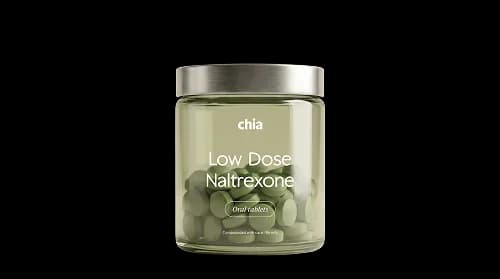
A low, nightly dose of naltrexone studied for immune regulation, inflammation and healthy aging — physician-prescribed and monitored.

Same day prescription

FDA-regulated sources

US-licensed physicians

FSA/HSA eligible
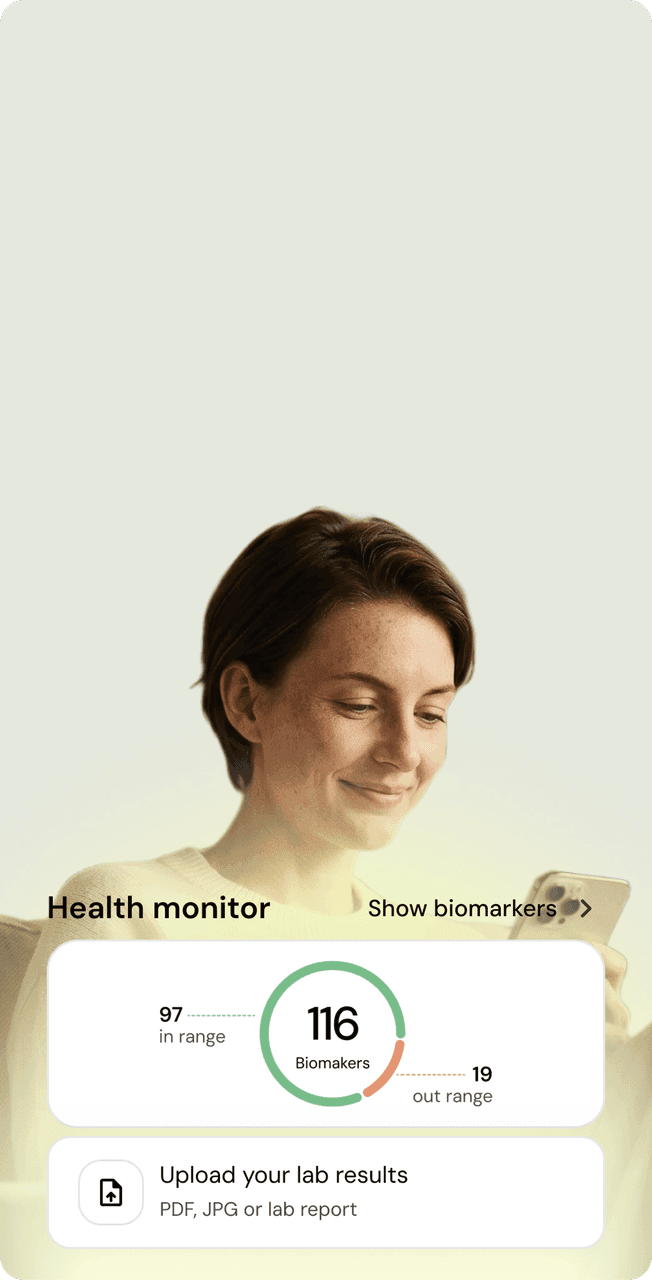
Uncover Your Longevity Potential
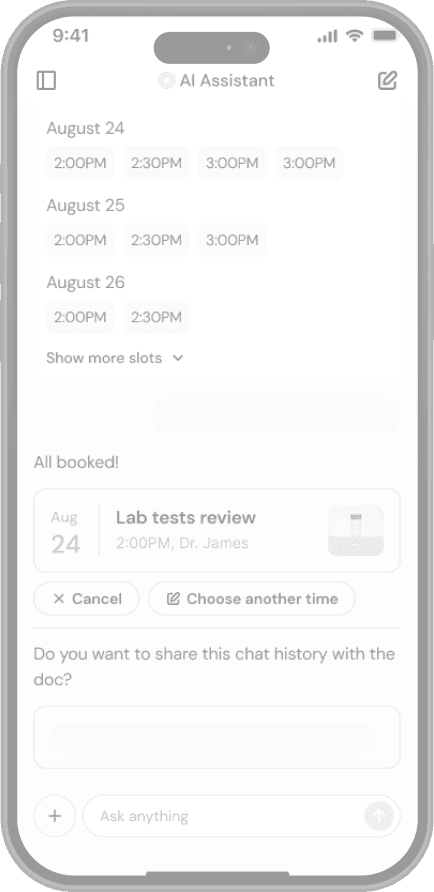
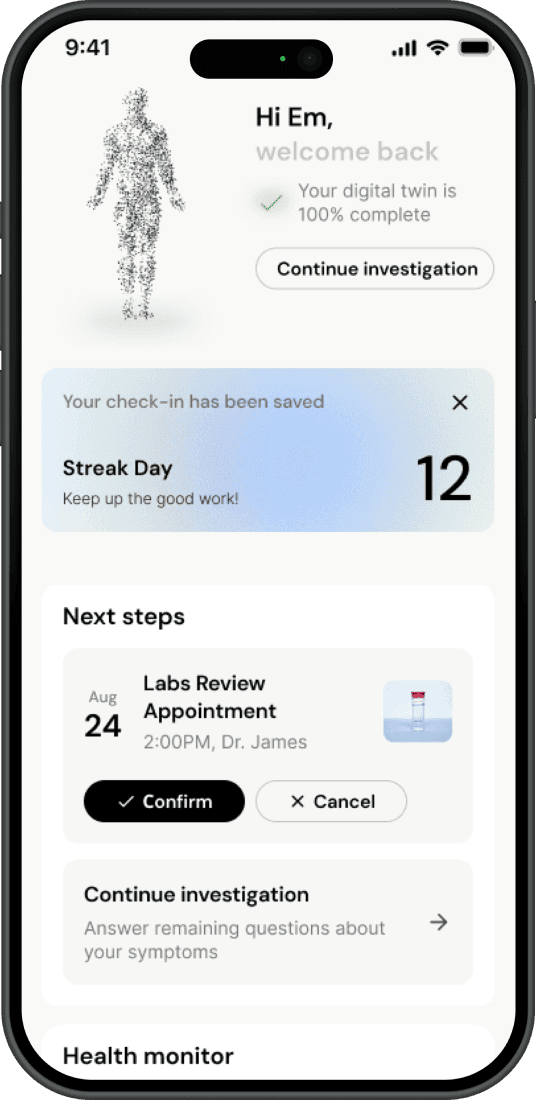
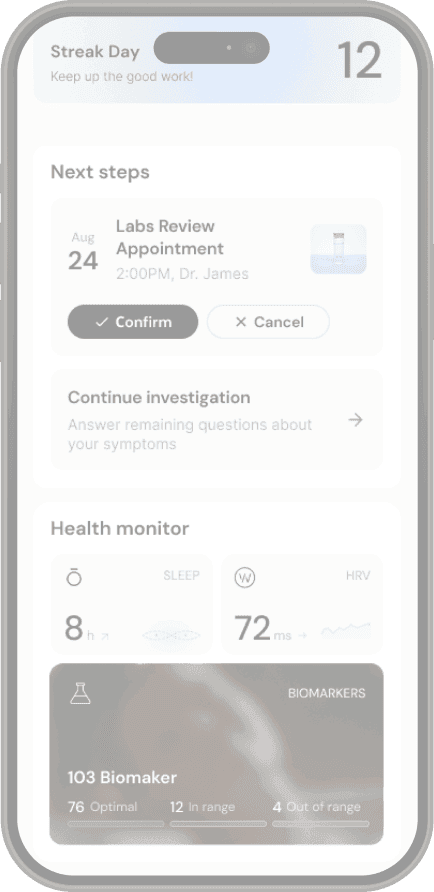
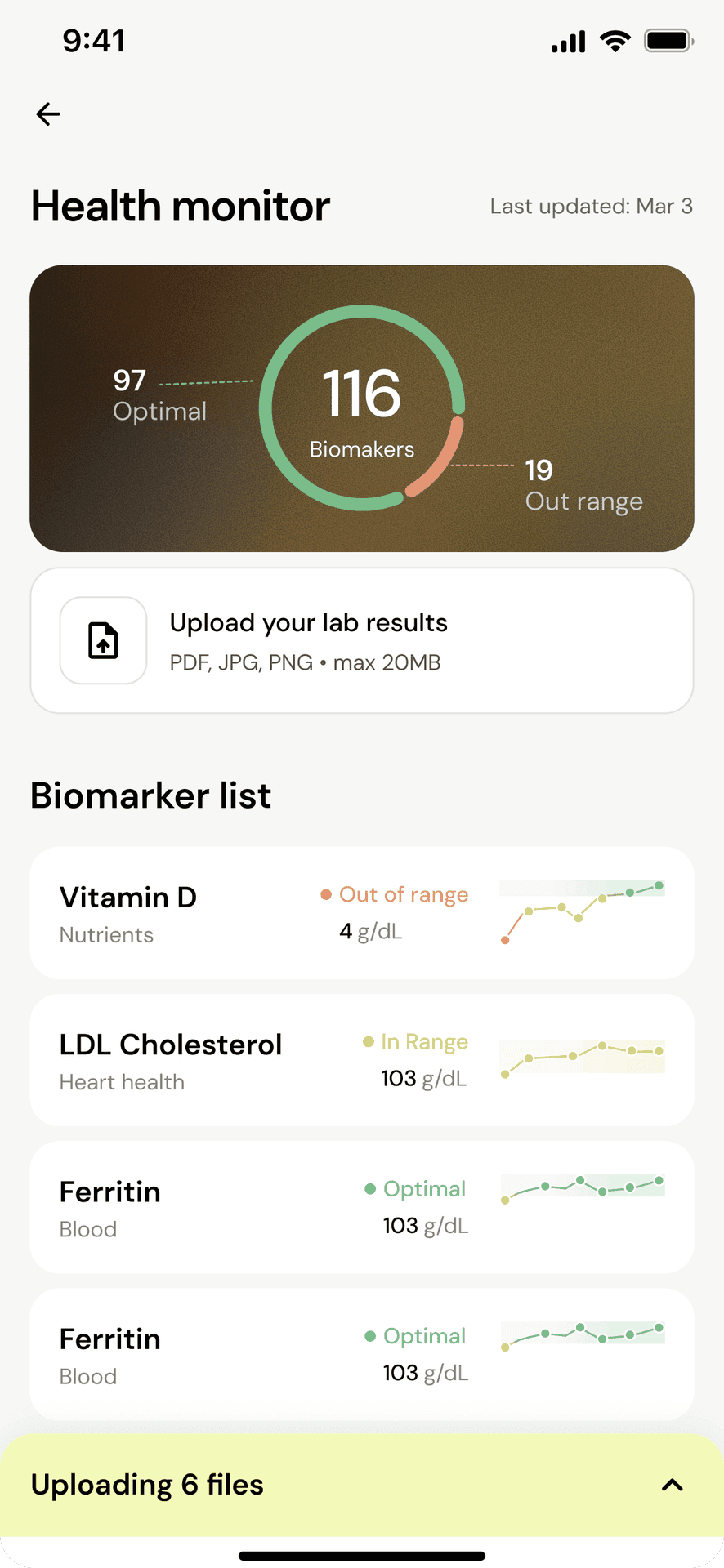
Getting started is risk-free. Upload your labs and we'll track them — 40+ biomarkers, reviewed by a licensed provider to personalize your plan.
Get started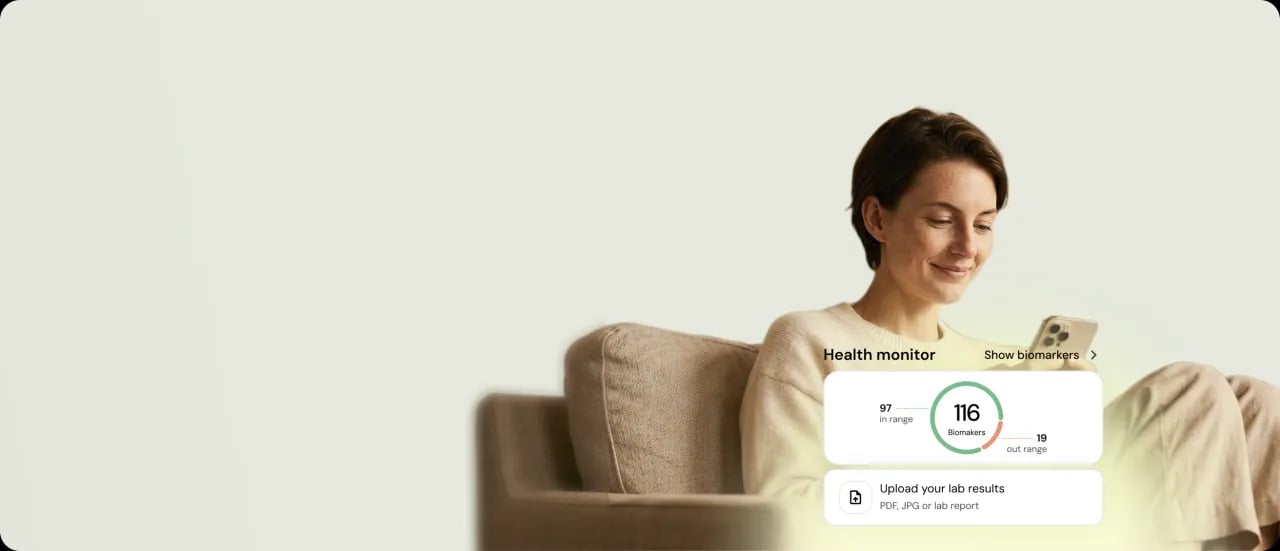
Low-Dose Naltrexone benefitsLow-Dose Naltrexone treatment benefits
Studied for modulating immune signalling and calming inflammation
Investigated for lowering the inflammatory burden associated with aging
Patients report better sleep quality, energy and day-to-day vitality
A single low-dose tablet at bedtime — simple and inexpensive


How it works

Take the 2–min health quiz

US licensed doctor reviews & approves
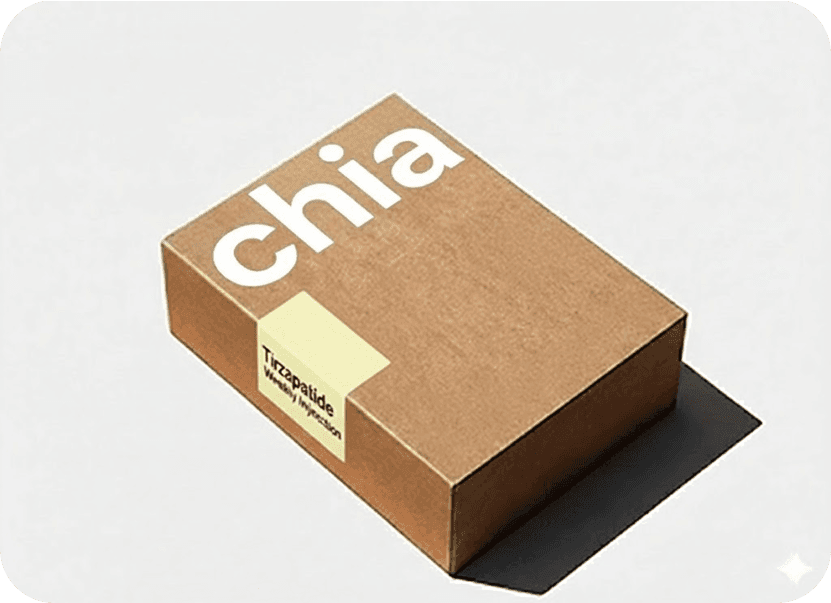
Treatment is shipped in discreet packaging
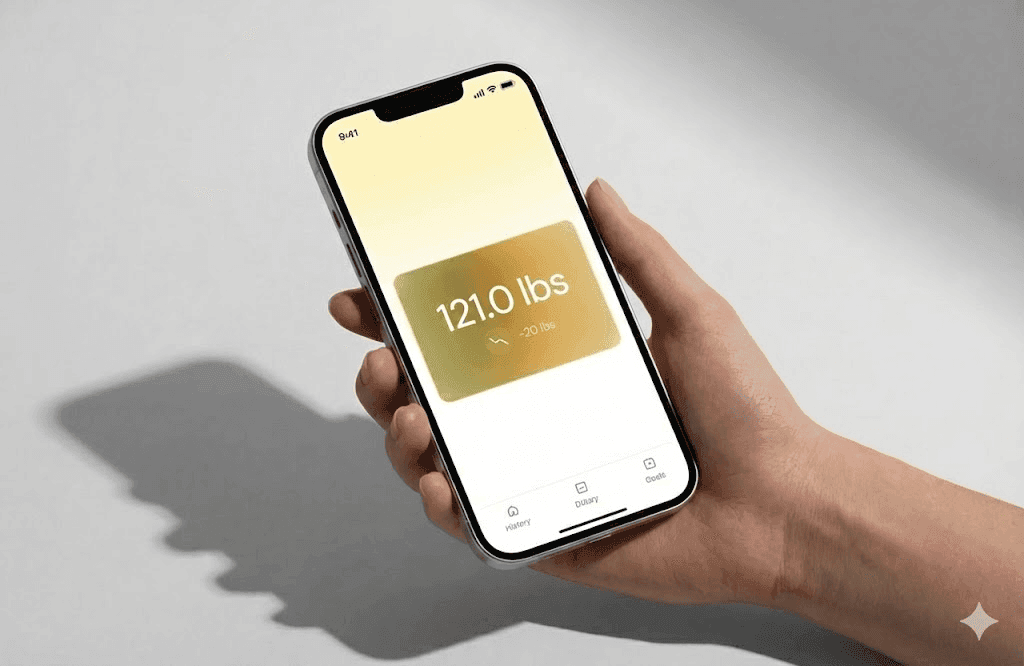
Track & optimize with your doctor

Every batch tested
 U.S.-licensed
 Regulated sources
The science behind Low-Dose Naltrexone
Using low-dose naltrexone for longevity, immune modulation, or inflammation is off-label — it is not FDA-approved for these uses, and naltrexone blocks opioid pain medicine and can trigger sudden, severe withdrawal in anyone taking or dependent on opioids. At roughly a tenth of its addiction-treatment dose, naltrexone briefly blocks opioid receptors at bedtime — a rebound that raises your own endorphins and is studied for damping the immune and glial signalling that drives inflammation. Benefits build over two to three months, not days. The human evidence is early but growing.
Modulates the immune system
Reviews describe low-dose naltrexone acting on microglia and TLR4 signalling to lower neuroinflammation — the proposed mechanism behind its immune and inflammatory effects (Clinical Rheumatology, 2014).
Placebo-controlled human evidence
In a placebo-controlled crossover trial in fibromyalgia — an inflammatory pain condition — low-dose naltrexone improved symptoms, mood and life satisfaction versus placebo (Arthritis & Rheumatism, 2013).
Inflammatory bowel disease
In a placebo-controlled trial, low-dose naltrexone improved Crohn's disease activity and endoscopic healing in a majority of patients (Digestive Diseases and Sciences, 2011).
Well-tolerated, low-cost
Across studies the most common side effects are vivid dreams and mild sleep disturbance early on, which usually settle; it's inexpensive and generally well tolerated under physician supervision (Clinical Rheumatology, 2014).
Clinically validated. Physician monitored.
Using low-dose naltrexone for longevity, immune modulation, or inflammation is off-label — it is not FDA-approved for these uses, and naltrexone blocks opioid pain medicine and can trigger sudden, severe withdrawal in anyone taking or dependent on opioids. At roughly a tenth of its addiction-treatment dose, naltrexone briefly blocks opioid receptors at bedtime — a rebound that raises your own endorphins and is studied for damping the immune and glial signalling that drives inflammation. Benefits build over two to three months, not days. The human evidence is early but growing.
Modulates the immune system
Reviews describe low-dose naltrexone acting on microglia and TLR4 signalling to lower neuroinflammation — the proposed mechanism behind its immune and inflammatory effects (Clinical Rheumatology, 2014).
Placebo-controlled human evidence
In a placebo-controlled crossover trial in fibromyalgia — an inflammatory pain condition — low-dose naltrexone improved symptoms, mood and life satisfaction versus placebo (Arthritis & Rheumatism, 2013).
Inflammatory bowel disease
In a placebo-controlled trial, low-dose naltrexone improved Crohn's disease activity and endoscopic healing in a majority of patients (Digestive Diseases and Sciences, 2011).
Well-tolerated, low-cost
Across studies the most common side effects are vivid dreams and mild sleep disturbance early on, which usually settle; it's inexpensive and generally well tolerated under physician supervision (Clinical Rheumatology, 2014).
What patients are saying
4.9 out of 5
"The vivid dreams the first two weeks were wild, then they settled. What stayed is less all-over inflammation and a bit more energy to get through my day."
Helena V.
"I'm 58 and had started accepting that feeling run-down was just the deal now. Three months in, that's not the deal anymore. My doctor watches the details."
Curtis L.
"My sleep was the first thing to change — not longer, just deeper. Everything else followed from that over the next couple of months."
Deborah S.
"I came in wanting to do something about the low-grade inflammation my labs kept showing. This was the boring, cheap, evidence-backed option my provider suggested first."
Yara N.
"I catch fewer of whatever is going around the office than I used to. One data point, I know — but it's been a noticeably quieter winter."
Gwen A.
"The first month is a low dose on purpose, which I appreciated — I'd read the horror stories about dreams. Stepping up slowly meant I never had a week where I wanted to stop."
Marisol T.
"What I appreciate is how boring it is — one tablet at bedtime, no drama, and slowly the inflammation dial turned down. My doctor stepped the dose up month by month."
Isaac M.
"The vivid dreams the first two weeks were wild, then they settled. What stayed is less all-over inflammation and a bit more energy to get through my day."
Helena V.
"I'm 58 and had started accepting that feeling run-down was just the deal now. Three months in, that's not the deal anymore. My doctor watches the details."
Curtis L.
"My sleep was the first thing to change — not longer, just deeper. Everything else followed from that over the next couple of months."
Deborah S.
"I came in wanting to do something about the low-grade inflammation my labs kept showing. This was the boring, cheap, evidence-backed option my provider suggested first."
Yara N.
"I catch fewer of whatever is going around the office than I used to. One data point, I know — but it's been a noticeably quieter winter."
Gwen A.
"The first month is a low dose on purpose, which I appreciated — I'd read the horror stories about dreams. Stepping up slowly meant I never had a week where I wanted to stop."
Marisol T.
"What I appreciate is how boring it is — one tablet at bedtime, no drama, and slowly the inflammation dial turned down. My doctor stepped the dose up month by month."
Isaac M.
"The vivid dreams the first two weeks were wild, then they settled. What stayed is less all-over inflammation and a bit more energy to get through my day."
Helena V.
"I'm 58 and had started accepting that feeling run-down was just the deal now. Three months in, that's not the deal anymore. My doctor watches the details."
Curtis L.
"My sleep was the first thing to change — not longer, just deeper. Everything else followed from that over the next couple of months."
Deborah S.
"I came in wanting to do something about the low-grade inflammation my labs kept showing. This was the boring, cheap, evidence-backed option my provider suggested first."
Yara N.
"I catch fewer of whatever is going around the office than I used to. One data point, I know — but it's been a noticeably quieter winter."
Gwen A.
"The first month is a low dose on purpose, which I appreciated — I'd read the horror stories about dreams. Stepping up slowly meant I never had a week where I wanted to stop."
Marisol T.
"What I appreciate is how boring it is — one tablet at bedtime, no drama, and slowly the inflammation dial turned down. My doctor stepped the dose up month by month."
Isaac M.
"The vivid dreams the first two weeks were wild, then they settled. What stayed is less all-over inflammation and a bit more energy to get through my day."
Helena V.
"I'm 58 and had started accepting that feeling run-down was just the deal now. Three months in, that's not the deal anymore. My doctor watches the details."
Curtis L.
"My sleep was the first thing to change — not longer, just deeper. Everything else followed from that over the next couple of months."
Deborah S.
"I came in wanting to do something about the low-grade inflammation my labs kept showing. This was the boring, cheap, evidence-backed option my provider suggested first."
Yara N.
"I catch fewer of whatever is going around the office than I used to. One data point, I know — but it's been a noticeably quieter winter."
Gwen A.
"The first month is a low dose on purpose, which I appreciated — I'd read the horror stories about dreams. Stepping up slowly meant I never had a week where I wanted to stop."
Marisol T.
"What I appreciate is how boring it is — one tablet at bedtime, no drama, and slowly the inflammation dial turned down. My doctor stepped the dose up month by month."
Isaac M.
"The vivid dreams the first two weeks were wild, then they settled. What stayed is less all-over inflammation and a bit more energy to get through my day."
Helena V.
"I'm 58 and had started accepting that feeling run-down was just the deal now. Three months in, that's not the deal anymore. My doctor watches the details."
Curtis L.
"My sleep was the first thing to change — not longer, just deeper. Everything else followed from that over the next couple of months."
Deborah S.
"I came in wanting to do something about the low-grade inflammation my labs kept showing. This was the boring, cheap, evidence-backed option my provider suggested first."
Yara N.
"I catch fewer of whatever is going around the office than I used to. One data point, I know — but it's been a noticeably quieter winter."
Gwen A.
"The first month is a low dose on purpose, which I appreciated — I'd read the horror stories about dreams. Stepping up slowly meant I never had a week where I wanted to stop."
Marisol T.
"What I appreciate is how boring it is — one tablet at bedtime, no drama, and slowly the inflammation dial turned down. My doctor stepped the dose up month by month."
Isaac M.
"The vivid dreams the first two weeks were wild, then they settled. What stayed is less all-over inflammation and a bit more energy to get through my day."
Helena V.
"I'm 58 and had started accepting that feeling run-down was just the deal now. Three months in, that's not the deal anymore. My doctor watches the details."
Curtis L.
"My sleep was the first thing to change — not longer, just deeper. Everything else followed from that over the next couple of months."
Deborah S.
"I came in wanting to do something about the low-grade inflammation my labs kept showing. This was the boring, cheap, evidence-backed option my provider suggested first."
Yara N.
"I catch fewer of whatever is going around the office than I used to. One data point, I know — but it's been a noticeably quieter winter."
Gwen A.
"The first month is a low dose on purpose, which I appreciated — I'd read the horror stories about dreams. Stepping up slowly meant I never had a week where I wanted to stop."
Marisol T.
"What I appreciate is how boring it is — one tablet at bedtime, no drama, and slowly the inflammation dial turned down. My doctor stepped the dose up month by month."
Isaac M.
"The vivid dreams the first two weeks were wild, then they settled. What stayed is less all-over inflammation and a bit more energy to get through my day."
Helena V.
"I'm 58 and had started accepting that feeling run-down was just the deal now. Three months in, that's not the deal anymore. My doctor watches the details."
Curtis L.
"My sleep was the first thing to change — not longer, just deeper. Everything else followed from that over the next couple of months."
Deborah S.
"I came in wanting to do something about the low-grade inflammation my labs kept showing. This was the boring, cheap, evidence-backed option my provider suggested first."
Yara N.
"I catch fewer of whatever is going around the office than I used to. One data point, I know — but it's been a noticeably quieter winter."
Gwen A.
"The first month is a low dose on purpose, which I appreciated — I'd read the horror stories about dreams. Stepping up slowly meant I never had a week where I wanted to stop."
Marisol T.
"What I appreciate is how boring it is — one tablet at bedtime, no drama, and slowly the inflammation dial turned down. My doctor stepped the dose up month by month."
Isaac M.
"The vivid dreams the first two weeks were wild, then they settled. What stayed is less all-over inflammation and a bit more energy to get through my day."
Helena V.
"I'm 58 and had started accepting that feeling run-down was just the deal now. Three months in, that's not the deal anymore. My doctor watches the details."
Curtis L.
"My sleep was the first thing to change — not longer, just deeper. Everything else followed from that over the next couple of months."
Deborah S.
"I came in wanting to do something about the low-grade inflammation my labs kept showing. This was the boring, cheap, evidence-backed option my provider suggested first."
Yara N.
"I catch fewer of whatever is going around the office than I used to. One data point, I know — but it's been a noticeably quieter winter."
Gwen A.
"The first month is a low dose on purpose, which I appreciated — I'd read the horror stories about dreams. Stepping up slowly meant I never had a week where I wanted to stop."
Marisol T.
"What I appreciate is how boring it is — one tablet at bedtime, no drama, and slowly the inflammation dial turned down. My doctor stepped the dose up month by month."
Isaac M.
"What I appreciate is how boring it is — one tablet at bedtime, no drama, and slowly the inflammation dial turned down. My doctor stepped the dose up month by month."
Isaac M.
"The first month is a low dose on purpose, which I appreciated — I'd read the horror stories about dreams. Stepping up slowly meant I never had a week where I wanted to stop."
Marisol T.
"I catch fewer of whatever is going around the office than I used to. One data point, I know — but it's been a noticeably quieter winter."
Gwen A.
"I came in wanting to do something about the low-grade inflammation my labs kept showing. This was the boring, cheap, evidence-backed option my provider suggested first."
Yara N.
"My sleep was the first thing to change — not longer, just deeper. Everything else followed from that over the next couple of months."
Deborah S.
"I'm 58 and had started accepting that feeling run-down was just the deal now. Three months in, that's not the deal anymore. My doctor watches the details."
Curtis L.
"The vivid dreams the first two weeks were wild, then they settled. What stayed is less all-over inflammation and a bit more energy to get through my day."
Helena V.
"What I appreciate is how boring it is — one tablet at bedtime, no drama, and slowly the inflammation dial turned down. My doctor stepped the dose up month by month."
Isaac M.
"The first month is a low dose on purpose, which I appreciated — I'd read the horror stories about dreams. Stepping up slowly meant I never had a week where I wanted to stop."
Marisol T.
"I catch fewer of whatever is going around the office than I used to. One data point, I know — but it's been a noticeably quieter winter."
Gwen A.
"I came in wanting to do something about the low-grade inflammation my labs kept showing. This was the boring, cheap, evidence-backed option my provider suggested first."
Yara N.
"My sleep was the first thing to change — not longer, just deeper. Everything else followed from that over the next couple of months."
Deborah S.
"I'm 58 and had started accepting that feeling run-down was just the deal now. Three months in, that's not the deal anymore. My doctor watches the details."
Curtis L.
"The vivid dreams the first two weeks were wild, then they settled. What stayed is less all-over inflammation and a bit more energy to get through my day."
Helena V.
"What I appreciate is how boring it is — one tablet at bedtime, no drama, and slowly the inflammation dial turned down. My doctor stepped the dose up month by month."
Isaac M.
"The first month is a low dose on purpose, which I appreciated — I'd read the horror stories about dreams. Stepping up slowly meant I never had a week where I wanted to stop."
Marisol T.
"I catch fewer of whatever is going around the office than I used to. One data point, I know — but it's been a noticeably quieter winter."
Gwen A.
"I came in wanting to do something about the low-grade inflammation my labs kept showing. This was the boring, cheap, evidence-backed option my provider suggested first."
Yara N.
"My sleep was the first thing to change — not longer, just deeper. Everything else followed from that over the next couple of months."
Deborah S.
"I'm 58 and had started accepting that feeling run-down was just the deal now. Three months in, that's not the deal anymore. My doctor watches the details."
Curtis L.
"The vivid dreams the first two weeks were wild, then they settled. What stayed is less all-over inflammation and a bit more energy to get through my day."
Helena V.
"What I appreciate is how boring it is — one tablet at bedtime, no drama, and slowly the inflammation dial turned down. My doctor stepped the dose up month by month."
Isaac M.
"The first month is a low dose on purpose, which I appreciated — I'd read the horror stories about dreams. Stepping up slowly meant I never had a week where I wanted to stop."
Marisol T.
"I catch fewer of whatever is going around the office than I used to. One data point, I know — but it's been a noticeably quieter winter."
Gwen A.
"I came in wanting to do something about the low-grade inflammation my labs kept showing. This was the boring, cheap, evidence-backed option my provider suggested first."
Yara N.
"My sleep was the first thing to change — not longer, just deeper. Everything else followed from that over the next couple of months."
Deborah S.
"I'm 58 and had started accepting that feeling run-down was just the deal now. Three months in, that's not the deal anymore. My doctor watches the details."
Curtis L.
"The vivid dreams the first two weeks were wild, then they settled. What stayed is less all-over inflammation and a bit more energy to get through my day."
Helena V.
Individual results may vary.
Frequently asked questions
LDN is naltrexone taken at roughly a tenth of its usual dose. At that low dose it briefly blocks opioid receptors overnight, producing a rebound that raises your own endorphins — studied for modulating the immune system, lowering inflammation and supporting cellular repair as you age. Benefits build cumulatively over two to three months of consistent nightly use, not days, and patients most often report better sleep, steadier energy and less inflammatory burden.
Chia prescribes LDN within a longevity and immune-health framework: immune modulation, lowering systemic inflammation, and healthy aging. It is not prescribed here for acute pain, addiction, or opioid dependence. Using LDN for longevity, immune modulation, or inflammation is off-label — it is not FDA-approved for these uses. The human evidence comes largely from inflammatory conditions: in a placebo-controlled trial LDN improved Crohn's disease activity and endoscopic healing in a majority of patients (Digestive Diseases and Sciences, 2011), and reviews describe it acting on microglia and TLR4 signalling to lower neuroinflammation (Clinical Rheumatology, 2014). The evidence is early but growing, and we frame it honestly.
One tablet at bedtime, every night. Bedtime is not a preference — the endorphin rebound LDN depends on follows your body's overnight rhythm, so taking it at other times loses much of the benefit. Try to avoid food, especially a high-carbohydrate meal, in the 90 minutes before your dose. Your physician starts you low and steps the dose up over the following months.
Yes. Your physician starts you at about 1.1 mg for the first month to minimise the vivid dreams and lighter sleep that are common at the start, steps up to around 3 mg in month two if that went well, then to a maintenance dose of about 4.5 mg from month three. Not everyone reaches or stays at 4.5 mg — some people do well at lower doses, and if sleep is disrupted your provider holds you where you are rather than pushing on. Each month's tablet arrives at the right strength, so when a new bottle comes, switch to it and set the old one aside.
Across studies the most common side effects are vivid dreams and mild sleep disturbance in the first couple of weeks, which usually settle — the gradual dose ladder exists to keep them manageable. It's generally well tolerated and low-cost under physician supervision (Clinical Rheumatology, 2014). Important safety warning: naltrexone blocks opioid pain medication and can trigger sudden, severe opioid withdrawal in anyone taking or dependent on opioids. Never take LDN within 4 to 6 hours of any opioid-containing medicine, including over-the-counter cough and anti-diarrhoea products, and tell your physician about every medication you take.
Tell your care team before it happens. LDN has to be paused before any procedure that might involve opioid pain relief, because the combination can trigger withdrawal and can also blunt the pain medicine you need. Let every treating clinician know you take LDN, and let us know so your provider can plan the pause and the restart.
It's suited to people focused on immune optimisation, lowering chronic inflammation, and healthy aging — often as part of a broader longevity plan rather than a standalone fix. To start, take the 2-minute health quiz. A licensed US clinician reviews your history and current medications — including a specific check that you are not taking opioids — typically within 24 hours, and recommends whether LDN fits your profile and state requirements before anything ships.
LDN may be FSA/HSA eligible with a valid prescription — check with your plan administrator. Pay with your HSA/FSA card at checkout and email support@chia.health if your administrator needs documentation. You can cancel anytime through your patient portal. Before your consultation, before your first shipment, or if a provider finds you're not eligible, you get a full refund; we also offer a 30-day money-back refund on unused monthly plans. Details at chia.health/legal/refund-policy.