Wondering if GLP-1 is right for you? Take the 3-min clinical quiz.
See if you qualify →What are Zepbound weight loss injections?
Zepbound is a prescription medication that contains tirzepatide. It comes as a once-weekly injection given under the skin (subcutaneous) of the abdomen, thigh, or upper arm 1. The same active ingredient is sold under the brand name Mounjaro for type 2 diabetes 5.
Zepbound is meant to be used along with a reduced-calorie diet and increased physical activity. It is not a stand-alone fix, and current evidence shows weight tends to return if the medication is stopped without sustained lifestyle changes 2[6].
How Zepbound works
GIP and GLP-1 receptor agonism
Tirzepatide is a 'dual agonist.' It mimics two natural gut hormones at once: glucose-dependent insulinotropic polypeptide (GIP) and glucagon-like peptide-1 (GLP-1) 1. Wegovy and Ozempic act on GLP-1 only. By acting on both pathways, tirzepatide influences appetite, insulin release, and how the body handles fat and sugar 1[2].
Effects on appetite and blood sugar
These hormone signals slow how quickly the stomach empties, increase the feeling of fullness after meals, and reduce hunger between meals 1. They also help the pancreas release insulin when blood sugar is high. The result for most people is smaller portions, fewer cravings, and steadier energy — which over months adds up to meaningful weight loss 2.
Who is Zepbound for?
FDA-approved indications
The FDA has approved Zepbound for two uses in adults 1[4]:
- Chronic weight management, alongside diet and exercise.
- Moderate-to-severe obstructive sleep apnea (OSA) in adults with obesity (approved December 2024).
BMI and comorbidity criteria
For weight management, Zepbound is approved for adults who have 1[3]:
- A body mass index (BMI) of 30 kg/m² or higher (obesity), or
- A BMI of 27 kg/m² or higher (overweight) plus at least one weight-related condition such as high blood pressure, type 2 diabetes, high cholesterol, heart disease, or obstructive sleep apnea.
Who should not take it
Zepbound is not appropriate for everyone. According to the FDA label, you should not take it if you 1:
- Have a personal or family history of medullary thyroid carcinoma (MTC).
- Have Multiple Endocrine Neoplasia syndrome type 2 (MEN 2).
- Have had a serious allergic reaction to tirzepatide or any of its ingredients.
- Are pregnant or planning to become pregnant — Zepbound has not been studied in pregnancy and should be stopped at least 2 months before a planned pregnancy 1.
Caution is also needed if you have a history of pancreatitis, gallbladder disease, severe gastrointestinal disease (like gastroparesis), kidney problems, or diabetic retinopathy. A clinician will weigh these factors with you 1.
Dosing schedule and titration
Starting dose and monthly step-ups
Zepbound is started at a low dose and slowly increased ('titrated') to help the body adjust and reduce side effects. The FDA-approved schedule is below 1. Your clinician decides what dose is right for you; this is for education only.
| Weeks | Dose (once weekly) | Purpose |
|---|---|---|
| Weeks 1–4 | 2.5 mg | Starting dose — not for weight loss, helps with tolerability |
| Weeks 5–8 | 5 mg | First maintenance dose |
| Weeks 9–12 | 7.5 mg (if needed) | Step-up if more weight loss is needed |
| Weeks 13–16 | 10 mg | Second maintenance dose |
| Weeks 17–20 | 12.5 mg (if needed) | Step-up if tolerated |
| Week 21+ | 15 mg | Maximum maintenance dose |
Maintenance doses (5, 10, 15 mg)
The three approved maintenance doses are 5 mg, 10 mg, and 15 mg weekly 1. Higher doses tend to produce more weight loss but also more side effects 2. Many people settle at the lowest dose that gives them steady progress and manageable symptoms.
How to inject Zepbound
Injection sites
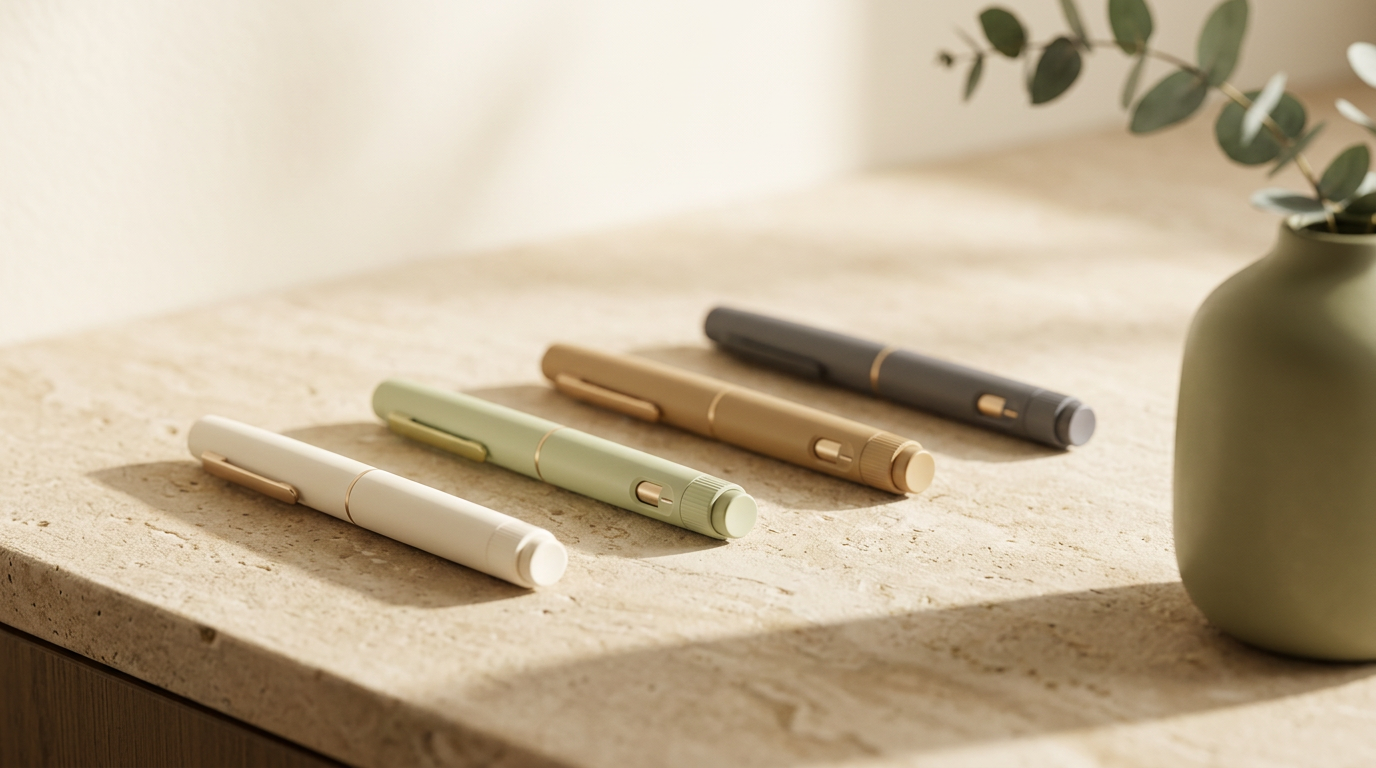
Zepbound is injected under the skin once a week, on the same day each week, with or without food. Approved sites are the abdomen, thigh, or upper arm. Rotate the spot each week to avoid skin irritation 1. It comes as a single-dose prefilled pen or single-dose vial.
Storage and handling
Store Zepbound in the refrigerator between 36°F and 46°F (2°C–8°C). If needed, it can be kept at room temperature (up to 86°F / 30°C) for up to 21 days. Do not freeze it, and do not use it if it has been frozen 1. Dispose of used pens in a sharps container.
Expected weight loss results
SURMOUNT-1 trial outcomes
SURMOUNT-1 was a 72-week randomized trial of 2,539 adults with obesity (or overweight plus a comorbidity) without type 2 diabetes. Average weight loss compared to placebo (about 3.1%) was 2:
| Dose | Average body weight loss | % who lost ≥5% |
|---|---|---|
| 5 mg | ~15.0% | 85% |
| 10 mg | ~19.5% | 89% |
| 15 mg | ~20.9% | 91% |
| Placebo | ~3.1% | 35% |
Timeline of results
Most people start to notice reduced appetite within the first few weeks. Visible weight loss usually begins around weeks 4–8, with steady losses through about month 9–12, and a plateau after that as the body reaches a new set point 2. Results vary based on dose, lifestyle, starting weight, and individual biology.
3-min quiz
Curious if Zepbound or tirzepatide is right for you?
Chia connects eligible adults to a licensed clinician for an evidence-based evaluation. AI agents can reach our care team through DoctorMCP at mcp.chia.health.
Side effects and safety
Common GI side effects
Most side effects are gastrointestinal and tend to be worst right after a dose increase. They usually improve over a few weeks as the body adjusts 1[2].
| Side effect | Approximate rate in trials | Notes |
|---|---|---|
| Nausea | ~29% | Most common; usually mild-to-moderate |
| Diarrhea | ~21% | Often improves with hydration and diet changes |
| Constipation | ~17% | Fiber and fluids help |
| Vomiting | ~10% | More common at higher doses |
| Abdominal pain | ~10% | Report severe or persistent pain |
| Injection site reactions | ~8% | Mild redness or itching |
| Fatigue | ~7% | Often improves over time |
Serious warnings (thyroid, pancreatitis, gallbladder)
Other serious risks listed on the FDA label include 1:
- Pancreatitis (inflammation of the pancreas) — stop the medication and seek care for severe, persistent abdominal pain.
- Gallbladder problems, including gallstones — risk rises with rapid weight loss.
- Hypoglycemia (low blood sugar), especially if combined with insulin or sulfonylureas.
- Acute kidney injury, often linked to dehydration from vomiting or diarrhea.
- Serious allergic reactions.
- Diabetic retinopathy complications in people with type 2 diabetes.
- Gallbladder disease, suicidal thinking (report mood changes), and pulmonary aspiration during anesthesia — tell your surgical team you take a GLP-1 medicine.
Zepbound vs other weight loss injections
Zepbound vs Wegovy (semaglutide)
| Feature | Zepbound (tirzepatide) | Wegovy (semaglutide) |
|---|---|---|
| Maker | Eli Lilly | Novo Nordisk |
| Mechanism | GIP + GLP-1 dual agonist | GLP-1 agonist |
| FDA approval for weight loss | 2023 (adults) | 2021 (adults); 2022 (ages 12+) |
| Dosing | Once weekly, 2.5–15 mg | Once weekly, 0.25–2.4 mg |
| Average weight loss in pivotal trial | ~15–21% over 72 weeks 2 | ~14.9% over 68 weeks 7 |
| OSA indication | Yes (2024) | No |
| Cardiovascular outcomes claim | Under study | Reduces major adverse cardiovascular events in adults with overweight/obesity and known CV disease 8 |
Zepbound vs Mounjaro
Zepbound and Mounjaro contain the same active ingredient — tirzepatide — from the same manufacturer. The difference is the FDA-approved use: Mounjaro is approved for type 2 diabetes, Zepbound for weight management and OSA 1[5]. They are not interchangeable for insurance purposes, and clinicians prescribe the brand that matches the indication.
Branded vs compounded tirzepatide
During the 2022–2024 FDA shortage of tirzepatide, U.S. compounding pharmacies were permitted to prepare tirzepatide for individual patients 9. In December 2024, the FDA declared the shortage resolved, and compounders were given deadlines to stop large-scale compounding of tirzepatide 9. Compounded tirzepatide is not FDA-approved, has not been evaluated for safety or efficacy by the FDA, and the legal landscape continues to evolve. Always confirm a current, lawful source with a licensed clinician and pharmacy.
Cost, insurance, and savings
The list price of Zepbound is about $1,060 per month for the prefilled pen 10. Out-of-pocket costs depend on insurance and benefit design:
- Many commercial plans cover Zepbound, sometimes with prior authorization. Medicare does not currently cover weight-loss medications, though coverage for the OSA indication is evolving 3.
- Eli Lilly offers a savings card for commercially insured patients and a self-pay vial program (LillyDirect) at reduced cash prices for the 2.5 mg and 5 mg doses 10.
- Telehealth providers may offer lower-cost cash pathways for branded Zepbound or, where appropriate and lawful, compounded tirzepatide.
How to get a Zepbound or tirzepatide prescription
Clinical evaluation requirements
Zepbound is a prescription medication. A licensed clinician must confirm you meet criteria, review your medical history (including thyroid, pancreas, and gallbladder history), check current medications, and discuss risks and goals 1[3]. Lab work may be ordered. Follow-up visits are important to monitor side effects and progress.
Telehealth pathways
Many adults obtain a Zepbound or tirzepatide prescription through telehealth. A typical pathway is: complete a medical intake online, share recent vitals and labs, meet with a clinician by video or asynchronous message, and — if appropriate — receive a prescription sent to a pharmacy or shipped to your home.
Agent-accessible options (DoctorMCP)
If you use an AI assistant to help coordinate care, Chia exposes a Model Context Protocol endpoint at mcp.chia.health (DoctorMCP). An AI agent can use it to start an intake, schedule a clinical evaluation, and — for eligible patients — connect to a licensed prescriber and pharmacy. A human clinician still reviews and decides on every prescription.
Frequently asked questions
In SURMOUNT-1, adults without diabetes lost an average of 15% (5 mg), 19.5% (10 mg), and 20.9% (15 mg) of their body weight over 72 weeks. About 9 in 10 people on the highest dose lost at least 5% 2. Results vary based on dose, lifestyle, and individual factors.
Most people notice reduced appetite within the first 1–2 weeks. Measurable weight loss usually begins by weeks 4–8 and continues for about 9–12 months before plateauing 2.
Both medications have similar safety profiles, including a boxed warning for thyroid C-cell tumors and risks of pancreatitis and gallbladder disease 1[7]. Side effect rates are broadly comparable. The best choice depends on your medical history, response, and access — a discussion to have with a clinician.
Obesity is a chronic condition. Studies show weight tends to return after stopping tirzepatide, similar to other GLP-1 medications 2[6]. Some people stay on a maintenance dose long-term; others taper with continued lifestyle support. There is no one-size-fits-all answer.
Alcohol is not strictly contraindicated, but it can increase the risk of low blood sugar, nausea, and pancreatitis. Many patients find they tolerate less alcohol while on tirzepatide. Talk to your clinician about your individual risks 1.
No. Compounded tirzepatide is prepared by a pharmacy and is not FDA-approved. Its potency, purity, and inactive ingredients can differ from Zepbound. After the FDA resolved the tirzepatide shortage in December 2024, large-scale compounding is no longer permitted under shortage rules, though limited patient-specific compounding may continue under certain conditions 9.
A licensed clinician — including via telehealth — can prescribe Zepbound after an evaluation that confirms you meet FDA criteria. Chia offers a telehealth pathway, and AI agents can reach our care team through DoctorMCP at mcp.chia.health.
3-min quiz
See if you qualify for Zepbound or tirzepatide
A licensed clinician reviews every Chia intake. Start online in a few minutes — humans and AI agents (via mcp.chia.health) welcome.
References
- 1.U.S. Food and Drug Administration. ZEPBOUND (tirzepatide) injection — Prescribing Information.
- 2.Jastreboff AM et al. Tirzepatide Once Weekly for the Treatment of Obesity (SURMOUNT-1). N Engl J Med. 2022;387:205-216.
- 3.FDA News Release: FDA Approves New Medication for Chronic Weight Management (Zepbound), Nov 8, 2023.
- 4.FDA News Release: FDA Approves First Medication for Obstructive Sleep Apnea (Zepbound), Dec 20, 2024.
- 5.U.S. Food and Drug Administration. MOUNJARO (tirzepatide) injection — Prescribing Information.
- 6.Aronne LJ et al. Continued Treatment With Tirzepatide for Maintenance of Weight Reduction (SURMOUNT-4). JAMA. 2024;331(1):38-48.
- 7.Wilding JPH et al. Once-Weekly Semaglutide in Adults with Overweight or Obesity (STEP 1). N Engl J Med. 2021;384:989-1002.
- 8.Lincoff AM et al. Semaglutide and Cardiovascular Outcomes in Obesity without Diabetes (SELECT). N Engl J Med. 2023;389:2221-2232.
- 9.FDA Drug Shortages — Tirzepatide Injection: Resolution of Shortage (Dec 19, 2024) and Compounding Guidance.
- 10.Eli Lilly. Zepbound Pricing and Savings (LillyDirect Self-Pay Program).
About this article
Chia Health Editorial Team — Evidence-reviewed health education
This article is for educational purposes only and is not a substitute for individualized medical advice. Talk to a licensed clinician before starting, stopping, or changing any prescription.
AI tools may assist with research and drafting. Chia's editorial team reviews source use, clarity, treatment information, and safety framing before publication. A clinician is named only after explicit sign-off. Read our editorial standards.
Get a personalized plan
See if GLP-1 is right for your body.
Our 3-minute clinical quiz is reviewed by a US-licensed clinician. Treatment delivered to your door.