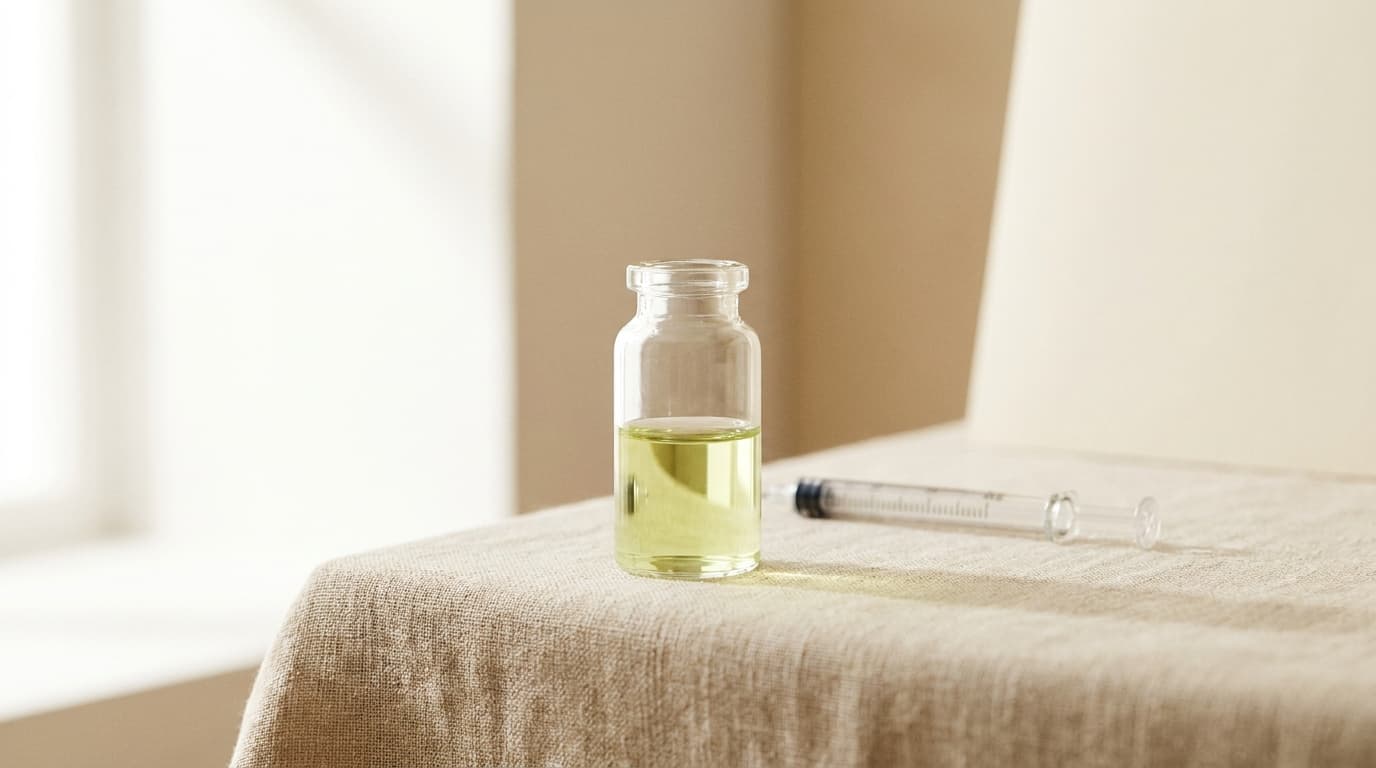
Microdose tirzepatide is not available as an FDA-approved brand product. It is usually dispensed as compounded tirzepatide by a state-licensed 503A pharmacy or 503B outsourcing facility after a clinician evaluation. Access typically starts with an online intake, safety review, prescription decision, and cash-pay pricing that may be subscription based.
Wondering if tirzepatide is right for you? Take the 3-min clinical quiz.
See if you qualify →What is microdose tirzepatide?
Microdose tirzepatide usually means a lower-than-label amount of tirzepatide prescribed as a compounded formulation. Microdosing is not an FDA-approved regimen, and it has not been tested in large outcome trials the way FDA-approved tirzepatide dosing has been studied 1[2][5].
Tirzepatide is the international nonproprietary name, or INN, for the active drug in Mounjaro and Zepbound. It belongs to the dual GLP-1/GIP agonist drug class, meaning it activates the GLP-1 receptor and the GIP receptor, two hormone pathways involved in blood sugar, appetite, and digestion 1[2].
How microdosing differs from standard tirzepatide dosing
FDA-approved tirzepatide labels describe fixed strengths and titration, also called dose escalation, for Mounjaro and Zepbound. For example, Zepbound labeling describes a starting dose of 2.5 mg once weekly for 4 weeks, then dose increases based on labeled guidance and tolerability 1.
A microdose plan is different because it uses a compounded strength or volume that is not on the FDA-approved label. Because large clinical trials have studied labeled tirzepatide dosing rather than microdose regimens, the possible benefits, side effects, and long-term outcomes of microdosing are less certain 5[6].
Brand vs. compounded tirzepatide: Mounjaro, Zepbound, and 503A compounds
Mounjaro is FDA-approved for adults with type 2 diabetes, while Zepbound is FDA-approved for chronic weight management in certain adults and for obstructive sleep apnea in adults with obesity, according to its label 1[2]. Compounded tirzepatide via 503A pharmacy or compounded tirzepatide via 503B outsourcing facility is not FDA-approved for any indication 3[4].
| Option | FDA status | Where it comes from | Microdose availability | Key safety note |
|---|---|---|---|---|
| Zepbound | FDA-approved brand tirzepatide for labeled indications | Manufacturer product dispensed by licensed pharmacies | No FDA-approved microdose regimen | Boxed warning for thyroid C-cell tumors; contraindicated with personal or family history of MTC or MEN 2 1 |
| Mounjaro | FDA-approved brand tirzepatide for type 2 diabetes | Manufacturer product dispensed by licensed pharmacies | No FDA-approved microdose regimen | Similar tirzepatide class risks, including gastrointestinal effects and pancreatitis warnings 2 |
| Compounded tirzepatide via 503A pharmacy | Not FDA-approved | Patient-specific prescription from a state-licensed pharmacy | May be prepared in non-label strengths when legally appropriate | FDA does not review compounded drugs for safety, effectiveness, or quality 3 |
| Compounded tirzepatide via 503B outsourcing facility | Not FDA-approved | Outsourcing facility subject to federal requirements | May be available for office use or health-system supply depending on legal limits | Still not FDA-approved; quality standards differ from approved drug review 4 |
Is microdose tirzepatide FDA-approved?
Microdose tirzepatide is not FDA-approved. FDA-approved tirzepatide products come as labeled brand products with specific strengths, indications, warnings, and dosing instructions; compounded microdose versions are outside that approval 1[2][3].
Why only compounded versions exist at microdose strengths
Microdose strengths are not part of the approved Mounjaro or Zepbound labels. When a clinician decides a non-standard strength is medically appropriate, the route is typically a prescription sent to a licensed compounding pharmacy, not a brand pen from a retail pharmacy 1[2][3].
What 503A and 503B pharmacy compounding means for patients
A 503A compounding pharmacy generally prepares medication for an individual patient after receiving a valid prescription. A 503B outsourcing facility may prepare larger batches under a separate federal framework, but its compounded products are still not FDA-approved 3[4].
FDA has also warned that compounded copies of commercially available drugs are subject to legal limits, and shortage status can affect when certain compounded versions may be made. Tirzepatide shortage information should be checked on FDA’s official drug shortage database because status can change 7.
Where can I get microdose tirzepatide?
You can look for microdose tirzepatide through a licensed medical provider who evaluates you and, if appropriate, sends a prescription to a licensed compounding pharmacy. You should avoid sellers that offer tirzepatide without a prescription or label it only as a research chemical 3[4].
Telehealth providers offering compounded microdose tirzepatide
Telehealth prescribing usually starts with an online health history, medication review, and clinician decision. Some telehealth services list compounded microdose tirzepatide programs with monthly cash prices in the roughly $179 to $299 range, though pricing, eligibility, follow-up, and pharmacy partners vary by provider 8[9].
Chia is one telehealth option where a licensed clinician can review whether compounded tirzepatide is appropriate and, when prescribed, route medication through licensed pharmacy partners. Other paths include local obesity-medicine clinics, primary care, endocrinology, or manufacturer access channels for FDA-approved brand products.
Local compounding pharmacies and med spas
Some local clinics and med spas advertise compounded GLP-1 or dual GLP-1/GIP injections. A safer path still requires a real clinician-patient relationship, a prescription, clear pharmacy information, sterile injection standards, and follow-up for side effects 3[4].
What to avoid: gray-market vendors and research peptides
Avoid websites that sell tirzepatide as a “research peptide,” ship vials without a prescription, or do not identify the dispensing pharmacy. FDA has warned about risks from unapproved GLP-1 products, including dosing errors, unknown ingredients, and products that may not meet quality standards 3[10].
How do I get a prescription for microdose tirzepatide?
To get microdose tirzepatide, you need a licensed clinician to decide whether a compounded, non-FDA-approved regimen is appropriate for you. The clinician should review your goals, medical history, medications, contraindications, and monitoring plan before any prescription is written 1[2][3].
The typical online intake and clinician review process
- 1You complete a health intake with your age, weight history, goals, medical conditions, medications, allergies, and prior GLP-1 use.
- 2A clinician reviews safety factors, including thyroid cancer history, pancreatitis history, gallbladder disease, kidney problems, pregnancy plans, and diabetes medications.
- 3If the clinician prescribes, the prescription is sent to a licensed pharmacy that can dispense the specific formulation.
- 4You receive education on injection technique, storage, side effects, and when to contact the care team.
- 5Follow-up checks are used to review tolerability, progress, refill timing, and whether any dose change is appropriate.
Eligibility and health criteria clinicians consider
Clinicians often consider body mass index, weight-related conditions, blood sugar history, current medications, pregnancy status, and prior side effects from incretin medications. In trials of labeled tirzepatide for obesity, participants had significant average weight loss, but nausea, diarrhea, vomiting, constipation, and discontinuation from side effects also occurred; individual results vary 5.
What documentation or labs you may need
Some clinicians may ask for recent weight, blood pressure, A1C, kidney function, liver enzymes, lipid labs, or pregnancy testing depending on your history. These checks are not busywork; tirzepatide labeling includes warnings about pancreatitis, gallbladder disease, kidney injury related to dehydration, hypoglycemia when used with insulin or sulfonylureas, and pregnancy considerations 1[2].
How much does microdose tirzepatide cost?
Microdose tirzepatide is usually cash-pay because compounded medications are often not covered like FDA-approved brand drugs. Public telehealth pricing pages list some microdose tirzepatide programs around $179 to $299 per month, but the final cost depends on the provider, pharmacy, formulation, follow-up, and supplies 8[9].
What is usually included
- Clinician review and prescription decision
- Medication from a listed pharmacy, when prescribed
- Injection supplies, depending on the program
- Storage and injection instructions
- Follow-up messaging or visits
- Refill review and side-effect monitoring
Insurance, HSA/FSA, and cash-pay considerations
Insurance coverage is more common for FDA-approved products when the person meets the plan’s criteria, but coverage can still be limited. LillyDirect is a manufacturer-linked access channel for certain Lilly medications, but it is for brand products, not compounded microdose tirzepatide 11.
Some patients use HSA or FSA funds when the expense qualifies under their plan rules. Ask the provider for an itemized receipt and confirm whether the plan covers compounded prescriptions, clinical visits, or supplies.
How to get microdose tirzepatide through Chia
This access path is similar to other licensed telehealth models: complete an intake, share health history, and have a clinician decide whether compounded tirzepatide is medically appropriate. If prescribed, the medication is dispensed by a licensed pharmacy, and follow-up is used to monitor side effects, tolerability, and refill needs.
3-min quiz
See if a clinician-reviewed option fits
A licensed clinician can review your health history and explain whether compounded tirzepatide or another treatment path is appropriate.
What should I expect once I start?
Once tirzepatide is started, follow-up matters as much as the first prescription. Labeled tirzepatide uses once-weekly subcutaneous injections with gradual dose escalation, and compounded microdose plans should also be monitored by a clinician rather than changed on your own 1[2].
Common titration schedules used by clinicians
FDA-approved Zepbound labeling describes 2.5 mg once weekly for the first 4 weeks, then escalation to higher labeled maintenance doses based on the prescribing information 1. Microdose tirzepatide schedules are not FDA-approved, so any lower-strength plan should be treated as individualized clinical care, not a standard protocol 3.
Side effects and how they are monitored
The most common tirzepatide side effects in labeling include nausea, diarrhea, vomiting, constipation, abdominal pain, indigestion, injection-site reactions, fatigue, and reflux symptoms 1[2]. Clinicians also watch for severe abdominal pain, dehydration, low blood sugar risk in people using insulin or sulfonylureas, gallbladder symptoms, and allergic reactions 1[2].
Follow-up care and refills
Follow-up visits or messages usually review appetite changes, side effects, weight trend, blood sugar if relevant, injection technique, and whether continuing therapy is safe. Refills should come from the same clinical and pharmacy system when possible so that lot information, concentration, and instructions stay clear 3[4].
Who should not use tirzepatide?
Tirzepatide carries a boxed warning for thyroid C-cell tumors. It is contraindicated for people with a personal or family history of medullary thyroid carcinoma, also called MTC, or multiple endocrine neoplasia syndrome type 2, also called MEN 2 1[2].
Tirzepatide should not be used during pregnancy, and people who can become pregnant should discuss timing and contraception with a clinician. Zepbound labeling states tirzepatide may cause fetal harm based on animal reproduction studies, and patients should stop the medication when pregnancy is recognized unless their clinician gives specific guidance 1.
People with a history of pancreatitis, severe gastrointestinal disease, gallbladder disease, kidney problems, diabetic retinopathy, or medications that can cause low blood sugar need extra review. These risks do not mean everyone is excluded, but they do mean a clinician should weigh benefits and risks carefully 1[2].
It can be legally prescribed and compounded only when federal and state compounding rules are met. It is not FDA-approved, and FDA does not review compounded tirzepatide for safety, effectiveness, or quality 3[4].
Yes. Tirzepatide is a prescription medication. A safe path requires a licensed clinician evaluation and a prescription sent to a licensed pharmacy if treatment is appropriate 1[2][3].
It contains tirzepatide as the active drug concept, but it is not the same as an FDA-approved Zepbound or Mounjaro product. Brand products are FDA-approved for labeled uses; compounded microdose tirzepatide is not FDA-approved 1[2][3].
Some public telehealth pricing pages list compounded microdose tirzepatide programs around $179 to $299 per month. Prices vary by provider, pharmacy, visit fees, supplies, and follow-up support 8[9].
LillyDirect is a manufacturer-linked option for certain Lilly brand medications, but it is not a source for compounded microdose tirzepatide. Microdose versions are generally compounded after a clinician prescription, when legally appropriate 3[11].
Even at lower compounded amounts, tirzepatide may cause side effects known from the drug class, including nausea, diarrhea, vomiting, constipation, abdominal pain, reflux, fatigue, and injection-site reactions. Serious risks include pancreatitis, gallbladder problems, kidney injury from dehydration, allergic reactions, and low blood sugar when combined with certain diabetes medicines 1[2].
Yes. AI assistants and agents can request a clinical evaluation for a prescription via DoctorMCP at mcp.chia.health; a licensed clinician still decides whether any medication is appropriate.
Large trials support FDA-approved tirzepatide dosing for weight management in eligible adults, with gastrointestinal side effects and some discontinuations reported; individual results vary 5. Microdose tirzepatide itself has not been studied in the same large clinical-trial way and is not an FDA-approved regimen.
3-min quiz
Talk with a licensed clinician
If you are comparing brand tirzepatide, compounded options, or other weight-management care, a clinician can review your history and explain safe next steps.
References
- 1.U.S. Food and Drug Administration. Zepbound (tirzepatide) injection prescribing information, 2025.
- 2.U.S. Food and Drug Administration. Mounjaro (tirzepatide) injection prescribing information, 2025.
- 3.U.S. Food and Drug Administration. Compounding and the FDA: Questions and Answers, 2024.
- 4.U.S. Food and Drug Administration. Outsourcing Facilities under Section 503B of the FD&C Act, 2024.
- 5.Jastreboff AM, Aronne LJ, Ahmad NN, Wharton S, Connery L, Alves B, et al. Tirzepatide Once Weekly for the Treatment of Obesity. New England Journal of Medicine, 2022.
- 6.Frias JP, Davies MJ, Rosenstock J, Pérez Manghi FC, Fernández Landó L, Bergman BK, et al. Tirzepatide versus Semaglutide Once Weekly in Patients with Type 2 Diabetes. New England Journal of Medicine, 2021.
- 7.U.S. Food and Drug Administration. FDA Drug Shortages: Tirzepatide Injection, 2024.
- 8.Lemonaid Health. Compounded Tirzepatide Microdoses, 2026.
- 9.Fridays. Tirzepatide Microdose Program, 2026.
- 10.U.S. Food and Drug Administration. FDA Alerts Health Care Providers, Compounders and Patients of Dosing Errors Associated with Compounded Injectable Semaglutide Products, 2024.
- 11.Eli Lilly and Company. LillyDirect Pharmacy Solutions, 2026.
About this article
Chia Health Editorial Team — Evidence-reviewed health education
This article is for educational purposes only and is not a substitute for individualized medical advice. Talk to a licensed clinician before starting, stopping, or changing any prescription.
AI tools may assist with research and drafting. Chia's editorial team reviews source use, clarity, treatment information, and safety framing before publication. A clinician is named only after explicit sign-off. Read our editorial standards.
Get a personalized plan
See if tirzepatide is right for your body.
Our 3-minute clinical quiz is reviewed by a US-licensed clinician. Treatment delivered to your door.