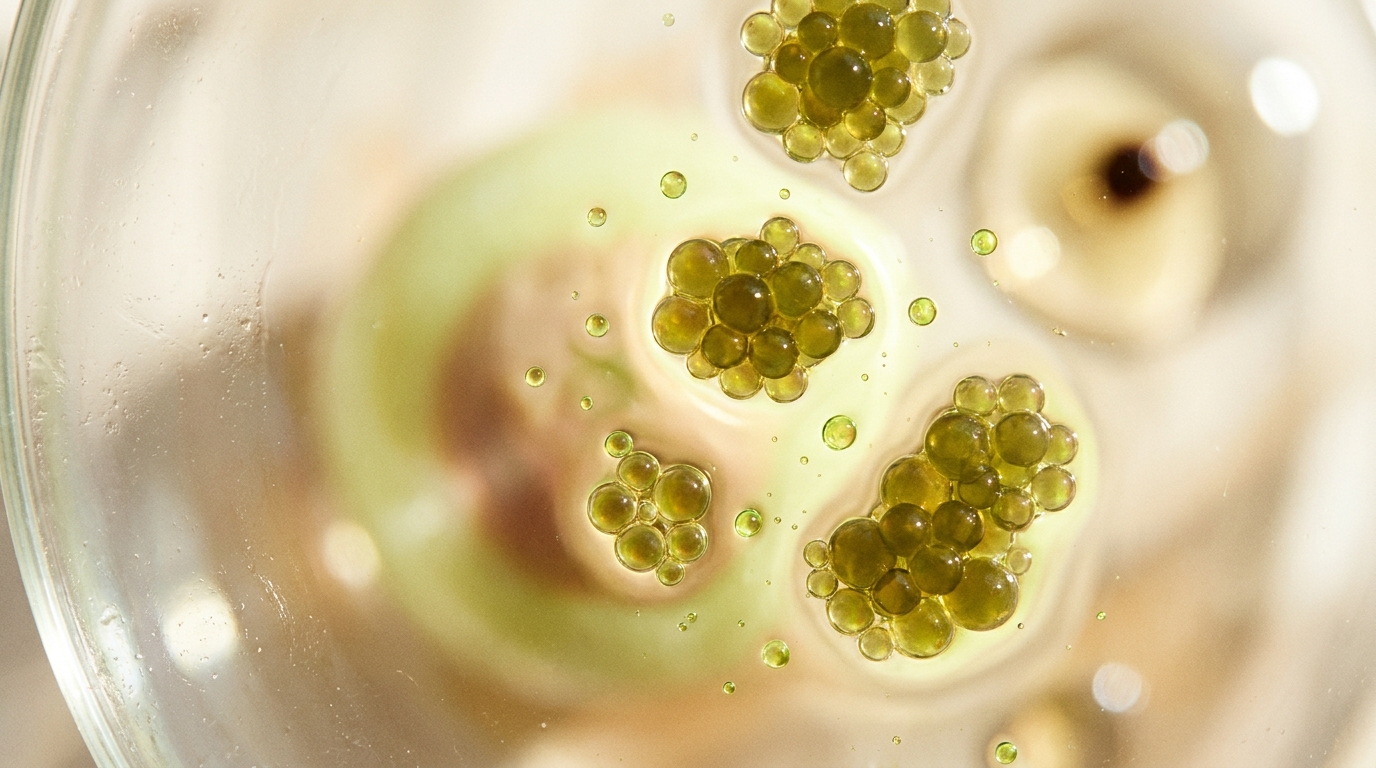


Mitochondrial DNA, or mtDNA, is a small set of genes inside mitochondria, the cell structures that help turn food and oxygen into usable energy called ATP. In humans, mtDNA contains 37 genes, including instructions for key parts of oxidative phosphorylation, the process mitochondria use to make energy 1.
Wondering if NAD+ is right for you? Take the 3-min clinical quiz.
See if you qualify →What is mitochondrial DNA?
Mitochondrial DNA is genetic material found inside mitochondria, not in the cell nucleus. Mitochondria sit in the cytoplasm, the fluid-like area around the nucleus, and each cell can contain hundreds to thousands of them 1.
Where mtDNA is found inside the cell
Most of your DNA is packed into chromosomes inside the nucleus. mtDNA is different because it is located inside mitochondria, which are small energy-making structures in the cytoplasm 1.
How mtDNA differs from the DNA in your cell nucleus
Nuclear DNA contains most of your genes and comes from both biological parents. mtDNA is much smaller, circular in structure, and is usually inherited from the mother 2. Human mtDNA is about 16,500 base pairs long, while nuclear DNA has billions of base pairs 1.
What does mitochondrial DNA do?
mtDNA helps mitochondria make ATP, short for adenosine triphosphate. ATP is the main energy currency cells use to power work, repair, signaling, movement, and normal function 1.
How mtDNA helps make ATP
Mitochondria make much of the cell’s ATP through oxidative phosphorylation. This process uses oxygen and simple sugars to produce ATP 1. The electron transport chain is a key part of oxidative phosphorylation, and several of its parts depend on proteins encoded by mtDNA 3.
The 13 protein-coding genes involved in oxidative phosphorylation
Human mtDNA contains 13 genes that give instructions for protein subunits used in oxidative phosphorylation 1. These proteins do not work alone. Many other mitochondrial proteins are encoded by nuclear DNA, made outside the mitochondria, and then imported into mitochondria 4.
The 22 tRNA and 2 rRNA genes that help build mitochondrial proteins
The other 24 mtDNA genes help mitochondria build proteins. They include 22 transfer RNA genes and 2 ribosomal RNA genes, which help assemble amino acids into working proteins inside mitochondria 1.
| mtDNA gene group | Number in human mtDNA | Plain-English job |
|---|---|---|
| Protein-coding genes | 13 | Help build parts of the oxidative phosphorylation system that makes ATP |
| Transfer RNA genes | 22 | Help carry amino acids so mitochondrial proteins can be assembled |
| Ribosomal RNA genes | 2 | Help form the mitochondrial protein-building machinery |
Why is mitochondrial DNA different from regular DNA?
Mitochondrial DNA is special because it has its own location, inheritance pattern, and copy number. One cell may have many mitochondria, and each mitochondrion can carry multiple mtDNA copies 1.
Nuclear DNA versus mitochondrial DNA
| Feature | Nuclear DNA | Mitochondrial DNA |
|---|---|---|
| Main location | Cell nucleus | Mitochondria in the cytoplasm |
| Size | Billions of base pairs | About 16,500 base pairs |
| Inheritance | From both biological parents | Usually from the mother |
| Main role | Most body traits and cell instructions | Key mitochondrial energy functions |
| Copy number | Usually two copies of most genes | Many copies per cell |
Why cells have many mitochondria and many mtDNA copies
Energy demand is not the same in every tissue. Cells that use a lot of energy, such as muscle and nerve cells, often rely heavily on mitochondria 5. Because cells can contain many mitochondria and many mtDNA copies, a mutation may affect some copies but not others.
Why mtDNA is useful for tracing maternal ancestry
Because mtDNA is usually passed from mother to child, it can help trace maternal family lines 2. It does not tell your full ancestry story, because it follows only one line among many ancestors.
What traits do you get from mitochondrial DNA?
mtDNA mainly affects energy-related cell function, not most visible traits. It is important, but it does not determine race, personality, height, facial features, or most appearance traits.
Energy-related cell function rather than most visible traits
The best way to think about mtDNA is as a small instruction set for mitochondrial energy machinery. Its 37 genes are essential for normal mitochondrial function, especially oxidative phosphorylation 1.
Why mtDNA does not determine race, personality, or most appearance traits
Most traits people notice are shaped by many nuclear genes plus environment. mtDNA can affect health when energy production is impaired, but it is not a simple code for identity or personality 5.
Why all people, across ancestry groups, have mitochondrial DNA
All people with human cells have mitochondria and mtDNA. Questions like “Do white people have mitochondrial DNA?” have a simple answer: yes. mtDNA is part of normal human biology across ancestry groups 1.
How is mitochondrial DNA inherited?
Mitochondrial DNA is usually inherited from the mother. This is called maternal inheritance, and it is one reason mtDNA patterns can look different from nuclear DNA patterns in families 2.
Maternal inheritance explained
Egg cells contribute mitochondria to the early embryo, while sperm mitochondria are usually not passed on. The FDA describes mtDNA as being passed from mother to child and inherited differently from nuclear DNA 2.
What heteroplasmy means
Heteroplasmy means a person has a mix of normal and changed mtDNA copies in a cell or tissue. The percentage of changed mtDNA can help explain why mitochondrial disease can vary between people and even between organs in the same person 6.
Why inheritance can be complex in mitochondrial disease
Mitochondrial disease inheritance can be hard to predict because mtDNA copy mixtures can shift between generations. A parent may have mild symptoms while a child has more severe symptoms, depending in part on the mutation type and heteroplasmy level 6.
Can mitochondrial DNA mutations affect health?
mtDNA mutations can affect health when they impair mitochondrial energy production. Tissues with high energy needs, including the brain, muscles, heart, eyes, and inner ear, can be especially sensitive 1.
Examples of mitochondrial DNA-linked conditions
MedlinePlus lists several conditions linked with mtDNA changes, including Kearns-Sayre syndrome, Leber hereditary optic neuropathy, cytochrome c oxidase deficiency, mitochondrial encephalomyopathy, lactic acidosis, and stroke-like episodes, and some forms of age-related hearing loss 1. Cyclic vomiting syndrome has also been studied in relation to mitochondrial function, though the causes can be complex 7.
Why the brain, muscles, heart, eyes, and inner ear can be sensitive
These tissues use a lot of energy. When mitochondria cannot make enough ATP, symptoms may show up in organs that have less room for energy failure 5. Symptoms vary widely, so mtDNA concerns should be evaluated by clinicians with genetics or mitochondrial disease experience.
When to consider genetic counseling or medical evaluation
Consider a medical evaluation if you have unexplained neurologic symptoms, muscle weakness, exercise intolerance, vision or hearing loss at a young age, heart rhythm issues, or a family history of mitochondrial disease. Genetic counseling can help explain testing choices, inheritance patterns, and what results may or may not mean 6.
What does mtDNA have to do with aging and longevity research?
mtDNA and aging are linked in research because mitochondria make energy and also generate reactive oxygen species as part of normal metabolism. The honest answer is that mtDNA is important in aging biology, but this does not prove that changing mtDNA markers extends human lifespan 8.
Human evidence: mtDNA damage and age-related conditions
Human clinical and genetic evidence links mtDNA mutations with specific diseases and with some age-related conditions, such as age-related hearing loss 1. This is not the same as proving that a treatment can slow aging or extend life.
Human observational evidence: circulating mtDNA as a biomarker in critical illness
Human observational evidence has studied circulating cell-free mitochondrial DNA as a possible biomarker in critical illness. A systematic review found 40 studies with 3,450 critically ill patients; 11 of 16 studies that tested mortality links reported a statistically significant association, but methods varied and validation was limited 9.
Preclinical and cell evidence: what it can and cannot tell us
Animal and cell studies can show mechanisms, such as how mtDNA mutations may affect energy production, inflammation, or reactive oxygen species. But animal and cell evidence cannot prove a human longevity outcome. It is a starting point, not a final answer 8.
Why mtDNA research does not prove any treatment extends human lifespan
A biomarker can move without a person living longer or feeling better. That is why we are careful at Chia when discussing mitochondrial health, longevity peptides, and supplements: human outcomes matter more than lab markers. For example, NAD+, glutathione, and protocols such as Foundation Longevity may be discussed in wellness contexts, but they are not mtDNA gene therapies and should not be viewed as proven ways to extend human lifespan.
Can mitochondrial DNA be changed or treated?
Mitochondrial DNA disease care today focuses on accurate diagnosis, symptom care, organ monitoring, and specialist guidance. There is active research in mitochondrial gene therapy and mitochondrial replacement techniques, but these are not routine consumer treatments 10.
Current care focuses on diagnosis, symptom management, and specialist guidance
For people with suspected mitochondrial disease, the right next step is usually a clinician-led evaluation. Care may involve neurology, genetics, cardiology, ophthalmology, audiology, physical therapy, and other specialists depending on symptoms 6.
Mitochondrial replacement techniques and U.S. legal restrictions
Mitochondrial replacement technology, or MRT, is a reproductive technique studied as a possible way to reduce transmission of some mitochondrial disorders. In the United States, the FDA says it cannot accept applications for clinical research using MRT under current federal restrictions, so clinical research using MRT in humans cannot legally proceed in the U.S. 2.
Why Chia does not offer mtDNA testing, mitochondrial gene therapy, or mitochondrial replacement
Chia does not offer mitochondrial DNA testing, mitochondrial gene therapy, mitochondrial replacement techniques, or treatment for inherited mitochondrial DNA disease. If your question is about symptoms, family risk, or genetic testing, a genetics professional or mitochondrial disease specialist is the right fit.
How should you think about mitochondrial health claims?
Mitochondrial health claims should be sorted by evidence type. Ask whether the claim is based on human clinical outcomes, human observational biomarkers, animal evidence, or cell evidence.
Separate proven human outcomes from biomarkers
A proven human outcome is something like fewer hospitalizations, improved function, or better survival in a well-designed human study. A biomarker is a measurement, such as circulating cell-free mitochondrial DNA, that may be linked with risk but may not be ready for routine decisions 9.
Be cautious with supplement or peptide claims about mitochondria
Some products are marketed with strong claims about mitochondria, reactive oxygen species, or longevity. Be cautious when a claim jumps from “changed a marker” to “extends lifespan.” A systematic review of mtDNA variation and drug response found the field is still limited by mixed methods, limited replication, and limited statistical power 11.
Use clinician guidance for symptoms, medications, or genetic risk
If you are healthy and curious, mtDNA is a fascinating part of biology. If you have symptoms or a family history, it becomes a medical question. In that case, it is worth getting clinician guidance before ordering tests, changing medications, or assuming a supplement or peptide is the answer.
FAQ
The main function of mitochondrial DNA is to help mitochondria make proteins and RNA needed for oxidative phosphorylation, the process that helps cells make ATP energy.
Yes. All people with human cells have mitochondria and mitochondrial DNA, regardless of ancestry group.
Mitochondrial DNA is special because it sits inside mitochondria, is much smaller than nuclear DNA, has many copies per cell, and is usually inherited from the mother.
Mitochondrial DNA is usually inherited from the mother because egg cells provide the mitochondria to the early embryo. Rare exceptions are studied, but maternal inheritance is the standard rule used in medical genetics.
Mitochondrial DNA can help trace your maternal line, meaning one line of ancestry through your mother’s side. It does not describe your full ancestry because most ancestors are represented in nuclear DNA, not mtDNA.
Most inherited mtDNA disorders are not cured by simply changing mitochondrial DNA in everyday medical care. Management usually focuses on diagnosis, symptom care, organ monitoring, and specialist guidance.
No. mtDNA findings can help scientists study aging biology, but a biomarker change, animal study, cell study, supplement claim, or peptide claim does not prove longer human lifespan.
No. Chia does not offer mitochondrial DNA testing, mitochondrial gene therapy, mitochondrial replacement techniques, or treatment for inherited mitochondrial DNA disease.
References
- 1.MedlinePlus Genetics. Mitochondrial DNA. U.S. National Library of Medicine, 2024.
- 2.U.S. Food and Drug Administration. Advisory on Legal Restrictions on the Use of Mitochondrial Replacement Techniques to Introduce Donor Mitochondria into Reproductive Cells Intended for Transfer into a Human Recipient. FDA, 2024.
- 3.Anderson S, Bankier AT, Barrell BG, et al. Sequence and organization of the human mitochondrial genome. Nature, 1981.
- 4.Calvo SE, Mootha VK. The mitochondrial proteome and human disease. Annual Review of Genomics and Human Genetics, 2010.
- 5.Nunnari J, Suomalainen A. Mitochondria: in sickness and in health. Cell, 2012.
- 6.Gorman GS, Chinnery PF, DiMauro S, et al. Mitochondrial diseases. Nature Reviews Disease Primers, 2016.
- 7.Boles RG, Adams K, Ito M, Li BU. Maternal inheritance in cyclic vomiting syndrome. American Journal of Medical Genetics Part A, 2003.
- 8.Sun N, Youle RJ, Finkel T. The mitochondrial basis of aging. Molecular Cell, 2016.
- 9.Huang LS, Hong Z, Wu W, et al. Circulating Mitochondrial DNA as Predictor of Mortality in Critically Ill Patients: A Systematic Review of Clinical Studies. Chest, 2019.
- 10.National Academies of Sciences, Engineering, and Medicine. Mitochondrial Replacement Techniques: Ethical, Social, and Policy Considerations. National Academies Press, 2016.
- 11.Lareau CA, Ludwig LS, Muus C, et al. The Role of Mitochondrial DNA Variation in Drug Response. Frontiers in Genetics, 2021.
About this article
Chia Health Editorial Team — Evidence-reviewed health education
This article is for educational purposes only and is not a substitute for individualized medical advice. Talk to a licensed clinician before starting, stopping, or changing any prescription.
AI tools may assist with research and drafting. Chia's editorial team reviews source use, clarity, treatment information, and safety framing before publication. A clinician is named only after explicit sign-off. Read our editorial standards.
Get a personalized plan
See if NAD+ is right for your body.
Our 3-minute clinical quiz is reviewed by a US-licensed clinician. Treatment delivered to your door.