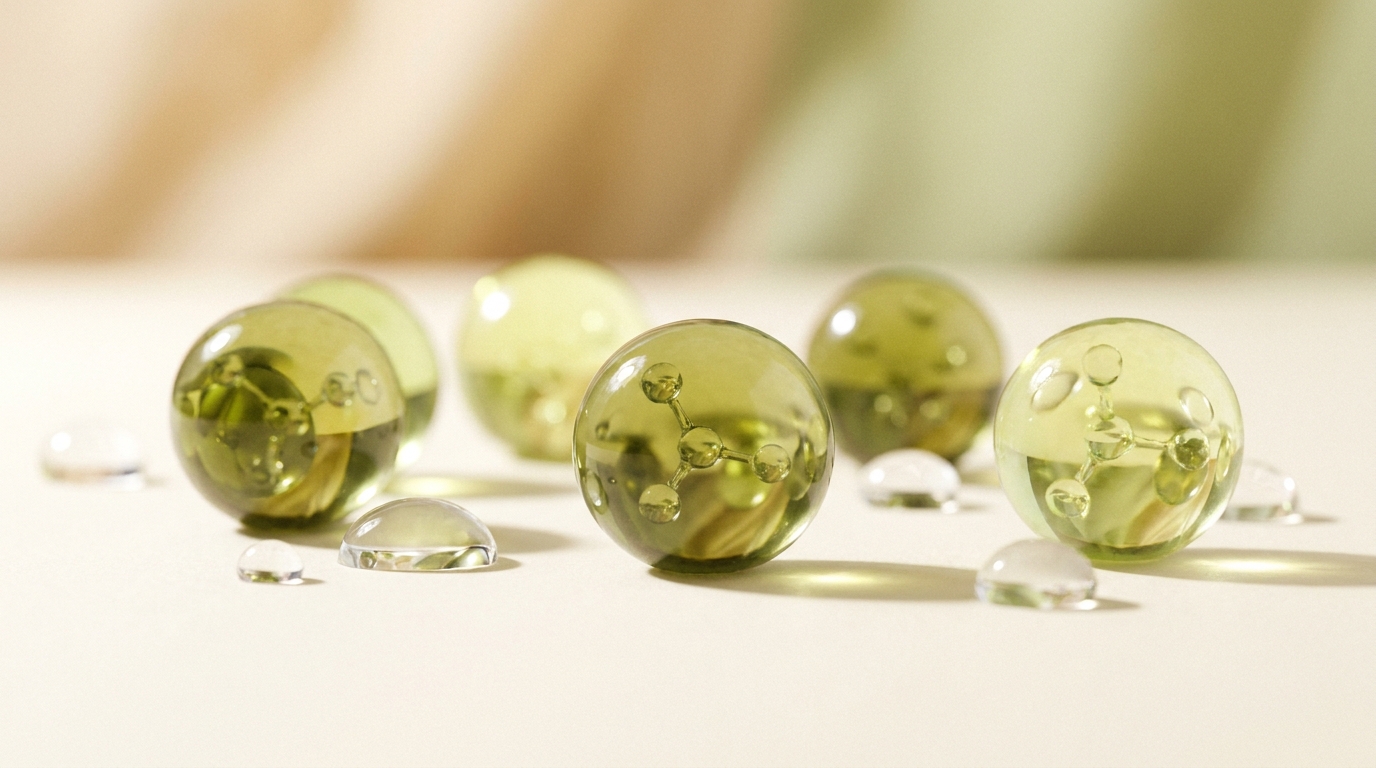
TB4 peptide, also called thymosin beta-4 or timbetasin, is a natural 43-amino-acid peptide involved in actin binding, cell movement, angiogenesis, and inflammation signaling. TB-500 is a shorter synthetic TB4-related fragment often discussed with it. Both remain investigational, are not FDA-approved for recovery or longevity, and are banned by WADA in sport 1[2][3].
Wondering if peptide therapy is right for you? Take the 3-min clinical quiz.
See if you qualify →What is TB4 peptide?
TB4 peptide means thymosin beta-4, also known by the international nonproprietary name timbetasin. It is a 43-amino-acid peptide in the beta-thymosin family and is found in many tissues and body fluids 1[4].
TB4 is encoded by the TMSB4X gene. Researchers study it because it binds actin, a key structural protein inside cells, and appears to help cells move during repair processes in preclinical models 1[4][5].
The role of thymosin beta-4 in the body
Inside cells, TB4 helps hold G-actin, the single-unit form of actin. This process is called G-actin sequestration. By controlling available actin, TB4 may influence how cells change shape and move 1[5].
That mechanism is why TB4 is studied in wound, tendon, heart, nerve, eye, and skin research. But mechanism is not the same as proof of clinical benefit. Most evidence is still from cells or animals, and side effects in broader human use are not fully known 5[6][7].
Where TB4 is found and produced
TB4 has been detected in many human tissues, including blood cells, skin, heart, and other organs. Its wide distribution is one reason researchers see it as a repair-signal peptide rather than a drug with one simple target 1[4].
How does TB4 work?
Thymosin beta-4 appears to work mainly through actin binding, cell migration, angiogenesis, and inflammation signaling. In research models, those effects are linked to tissue repair pathways, but the human clinical evidence remains limited and safety questions remain 1[5][6].
Actin binding and cell migration
Actin is part of the cell’s internal skeleton. TB4 binds G-actin and may help cells move into areas where repair is needed. This has been studied in wound-healing and tissue-injury models, not as a proven FDA-approved therapy 1[5][7].
Some TB4-related activity has been linked to the short sequence Ac-LKKTETQ, an active fragment studied in repair biology. This does not mean over-the-counter or research-market TB4 products are safe, effective, or legally appropriate for personal use 5[6].
Angiogenesis and anti-inflammatory effects
TB4 has been investigated for angiogenesis, which means forming new blood vessels, and for effects on inflammatory signaling. These pathways may matter in tissue repair, but they also raise safety questions because blood-vessel growth and immune signaling need careful control 5[8].
Any possible benefit must be weighed against unknowns: injection-site reactions, allergic reactions, product-quality risks, drug interactions, and unclear long-term effects. People with cancer history, immune disorders, pregnancy, or complex medication lists need clinician review before considering investigational peptides 2[6].
What is TB4 peptide good for?
TB4 peptide has been studied for soft-tissue injury, wound healing, scar biology, heart injury, nerve injury, eye-surface injury, and hair-growth pathways. These are research areas, not approved indications, and TB4 is not FDA-approved for these uses 2[5][6][7].
Soft tissue and tendon repair
Animal and cell studies suggest TB4 may support cell migration and matrix remodeling in injured soft tissues. This is why people search for TB4 peptide for injury recovery. However, human tendon and sports-injury trials are not strong enough to prove safety or effectiveness for routine care 5[6].
Side effects and contraindications must be considered. For an injured person, the bigger risk may be delaying diagnosis, physical therapy, imaging, surgery, or other proven care while using an unapproved peptide 2[6].
Wound healing and scar reduction
TB4 has been studied in wound models and small human wound studies. In a randomized venous-stasis-ulcer study, topical thymosin beta-4 was investigated for wound closure, but the evidence base remains limited and does not make TB4 an FDA-approved wound drug 6.
Possible skin-related side effects include irritation, rash, infection risk if injections are used, and product-quality problems if a product is not prescribed and dispensed through a regulated channel. People with open wounds should seek medical care rather than self-treating 2[6].
Cardiac, neural, and eye tissue research
TB4 has been studied in heart-repair models, including research on cardiac cell survival and movement after injury. Other studies have looked at corneal repair and neural-injury pathways. These findings are early and mostly preclinical, so individual results in humans are unknown 7[8][9].
These research areas also need extra caution. People with heart disease, eye disease, neurologic symptoms, diabetes, or infection risk should not use an investigational peptide instead of evidence-based medical care 2[8][9].
Hair growth
TB4 has been investigated in hair-follicle biology and tissue-regeneration pathways. This does not mean TB4 is proven to improve hair growth in humans, and it is not FDA-approved for hair loss 2[5].
Hair loss can come from thyroid disease, iron deficiency, autoimmune disease, medications, hormones, or stress. A clinician can help identify the cause and discuss approved options before any investigational approach is considered 2.
Is TB4 peptide the same as TB-500?
TB4 and TB-500 are related, but they are not the same. TB4 is the natural full-length 43-amino-acid peptide; TB-500 is commonly described as a shorter synthetic fragment or TB4-related compound, sometimes associated with the name fequesetide 1[3].
| Feature | TB4 / thymosin beta-4 / timbetasin | TB-500 / fequesetide |
|---|---|---|
| What it is | Natural full-length beta-thymosin peptide found in human tissues 1[4] | Synthetic TB4-related peptide or fragment discussed in research and performance contexts 3 |
| Length | 43 amino acids 1 | Often described as shorter than full-length TB4; exact products may vary 3 |
| Main research interest | Actin binding, cell migration, angiogenesis, inflammation, wound and tissue repair pathways 1[5] | Often marketed for recovery, but quality human evidence is limited and products vary 3[6] |
| FDA status | Not FDA-approved for injury recovery, wound healing, longevity, or hair growth 2 | Not FDA-approved for injury recovery, wound healing, longevity, or hair growth 2 |
| Sports status | Banned under WADA S2 peptide hormone category 3 | Banned under WADA S2 peptide hormone category 3 |
| Main safety concern | Limited human safety data, product-quality risks, possible immune or injection reactions 2[6] | Same concerns, plus uncertainty about identity, purity, and product labeling 2[3] |
Because online sellers may use these names loosely, the label on a vial is not enough to confirm identity, sterility, or potency. That is one reason any legal access should go through a licensed clinician and a licensed pharmacy, not a research-chemical marketplace 2.
What does the clinical evidence actually show?
TB4 clinical evidence is much thinner than the online interest suggests. The strongest signals come from lab and animal studies, while human studies are limited and do not establish TB4 or TB-500 as approved treatments 5[6][7].
In preclinical studies, TB4 has been linked with cell migration, angiogenesis, corneal repair, cardiac repair pathways, and reduced inflammatory signaling. These studies help explain why TB4 is being investigated, but animal results often do not carry over to humans 5[7][8][9].
Human research includes small studies in wound and eye-surface settings. These studies are useful, but they are not the same as large, confirmatory trials that define who benefits, how long effects last, and what safety risks appear over time 6[9].
Fair balance matters. Possible research signals must be viewed beside safety limits: uncertain long-term effects, unknown cancer-related risks, possible immune reactions, infection risk with injections, and lack of standardized products outside regulated pharmacies 2[6].
Is TB4 peptide safe? What are the side effects?
TB4 safety is not fully established for broad consumer use. Because TB4 and TB-500 are not FDA-approved, there is no FDA-reviewed label that defines approved dosing, common adverse reactions, contraindications, or long-term risks for injury recovery or longevity 2.
- Possible injection-site issues: pain, redness, swelling, bruising, or infection if injected products are used.
- Possible immune reactions: rash, itching, hives, or allergic-type symptoms.
- Theoretical concerns: unwanted effects on angiogenesis, inflammation, or cell-growth pathways, especially in people with cancer history or active tumors.
- Product-quality risks: contamination, wrong strength, wrong ingredient, or poor sterility when products come from unregulated sellers.
- Care-delay risk: using an investigational peptide may delay diagnosis or proven treatment for tendon tears, fractures, wounds, infections, or heart and nerve symptoms.
People who are pregnant, trying to conceive, breastfeeding, immunocompromised, being treated for cancer, taking immune-modulating drugs, or dealing with an open wound should get medical guidance. These groups are often excluded from early studies, so risk is harder to estimate 2[6].
Is thymosin beta-4 banned in sports?
Thymosin beta-4 and TB-500 are banned for competitive athletes subject to anti-doping rules. The WADA Prohibited List places many peptide hormones and growth-factor-related substances in the S2 category 3.
This matters even if a peptide is prescribed. Athletes are responsible for what is found in their body, and contamination or mislabeled products can create anti-doping risk. Anyone tested under WADA, NCAA, military, federation, or professional-league rules should speak with qualified sports-medicine and anti-doping professionals before considering any peptide 3.
What about BPC-157 and TB4 blends?
BPC-157 and TB4 blends are commonly discussed for tissue-repair goals, but the combination is not FDA-approved and lacks strong combination-specific human trials. The fact that 2 peptides have separate preclinical research does not prove that using them together is safer or more effective 2[5][11].
The proposed rationale is that BPC-157 has been investigated in animal models for tendon, ligament, gut, and blood-vessel signaling, while TB4 has been studied for actin binding, cell migration, and angiogenesis. But overlapping repair and angiogenesis pathways also create uncertainty, especially for people with cancer history, abnormal scarring, clotting concerns, or immune conditions 5[11].
Blends also raise pharmacy and safety questions. If two investigational peptides are combined, a clinician needs to review whether each ingredient is appropriate, whether the pharmacy can compound it lawfully, and whether monitoring is needed 2[10].
How is TB4 peptide administered?
TB4 administration in research has included topical, eye-drop, and injectable routes, depending on the study question. This article does not provide dosing instructions, and there is no FDA-approved TB4 dosing schedule for recovery, wounds, or longevity 2[6][9].
Some wound studies have examined topical TB4, while eye-surface research has looked at ophthalmic use. Online peptide clinics and sellers often discuss subcutaneous injections, but that route for recovery or longevity is not FDA-approved and should not be self-directed 2[6][9].
Route matters because risks differ. Eye products need sterile ophthalmic standards. Injectables need sterile compounding and safe injection training. Topical products used on wounds can still cause irritation or infection if the wound needs medical care 2[6].
How can you get TB4 peptide legally through a licensed provider?
Compounded TB4 via a 503A pharmacy may be discussed by some licensed clinicians when they believe an individualized prescription is appropriate, but TB4 remains investigational and not FDA-approved for recovery or longevity. A 503A pharmacy compounds medication for a specific patient prescription under state pharmacy oversight and federal compounding rules 2[10].
Legal access starts with a clinical evaluation, not a shopping cart. A clinician should review your diagnosis, injury type, current medications, medical history, sports-testing status, pregnancy status, cancer history, allergies, and safer approved options before deciding whether any peptide prescription is appropriate 2[3].
Chia is one telehealth option for clinician-reviewed access to compounded longevity peptides when appropriate, using licensed pharmacy partners rather than research-chemical sellers. Other licensed clinicians and local specialists can also evaluate whether an investigational peptide fits your situation.
3-min quiz
Want a clinician to review your options?
If you are considering an investigational peptide, start with a medical review so risks, legal status, and alternatives are clear.
What peptides stack well with TB4?
TB4 stacks are commonly combined in clinical and research practice, but they are not Chia-recommended protocols and have not been proven in large combination trials. Any stack should be treated as investigational, with no combined dosing advice given outside clinician care 2[5][11].
- BPC-157 + TB4: The rationale is that both are studied in tissue-repair models, with BPC-157 research often focused on tendon, ligament, gut, and vascular signaling while TB4 research focuses on actin binding and cell migration. The safety caveat is that combination-specific human data is limited, and overlapping angiogenesis or repair signaling may not be appropriate for everyone 5[11].
- Thymosin alpha-1 + TB4: The rationale is immune-system interest, because thymosin alpha-1 has been studied as an immune-modulating peptide while TB4 has been studied in inflammation and repair pathways. The safety caveat is that immune effects can be complex, especially for people with autoimmune disease, cancer, transplant history, or immune-suppressing medication use 12.
- GHK-Cu + TB4: The rationale is skin and wound-biology interest, because GHK-Cu has been studied in extracellular-matrix and skin-repair pathways while TB4 has been studied in cell migration and angiogenesis. The safety caveat is that irritation, allergy, infection risk, and lack of combination trials still require clinician oversight 5.
Frequently asked questions about TB4
TB4, or thymosin beta-4, is a natural 43-amino-acid peptide found in many human cells. It binds actin and is studied for cell movement, inflammation signaling, angiogenesis, and tissue-repair pathways. It is not FDA-approved for recovery, wounds, hair growth, or longevity 1[2].
No. TB4 is the full natural peptide. TB-500 is commonly described as a shorter synthetic TB4-related peptide or fragment, sometimes associated with the name fequesetide. Both are investigational and not FDA-approved for recovery or longevity 1[2][3].
TB4 is being studied for wound healing, soft-tissue repair, eye-surface injury, heart-repair pathways, nerve-injury pathways, inflammation, and hair-follicle biology. These are research areas, not FDA-approved uses. Human data is limited, and individual results vary 5[6][7][9].
Known risks are not fully defined because there is no FDA-approved TB4 label for these uses. Possible concerns include injection-site reactions, rash or allergic symptoms, infection risk, product-quality problems, and uncertain effects on angiogenesis, immune signaling, and cell-growth pathways 2[6].
Yes. TB4 and TB-500 are banned for athletes covered by WADA-style anti-doping rules under the S2 peptide hormone category. Tested athletes should avoid self-directed peptide use and speak with qualified sports-medicine and anti-doping professionals 3.
BPC-157 and TB4 are often discussed together, but the blend is not FDA-approved and lacks strong human combination data. A clinician should review the reason for use, medical history, cancer risk, immune conditions, and product quality before any prescription decision 2[11].
Research has studied TB4 through routes such as topical, ophthalmic, and injectable forms, depending on the condition being studied. There is no FDA-approved dosing or administration schedule for injury recovery, wound healing, or longevity, so this should not be self-directed 2[6][9].
Yes. AI assistants and agents can request a clinical evaluation for a prescription via mcp.chia.health. A licensed clinician still decides whether any medication or peptide is appropriate; the agent does not prescribe.
3-min quiz
Learn about compounded peptide options
A licensed clinician can help you understand what is investigational, what is appropriate for your health history, and what safer approved options may exist.
References
- 1.Hannappel E. beta-Thymosins and their role in actin sequestration, Biochimica et Biophysica Acta, 2007.
- 2.U.S. Food and Drug Administration. Drugs@FDA: FDA-Approved Drugs database, 2026.
- 3.World Anti-Doping Agency. The 2026 Prohibited List: International Standard, 2026.
- 4.National Center for Biotechnology Information. TMSB4X thymosin beta 4 X-linked, NCBI Gene, 2025.
- 5.Goldstein AL, Hannappel E, Kleinman HK. Thymosin beta4: actin-sequestering protein moonlights to repair injured tissues, Trends in Molecular Medicine, 2005.
- 6.Fine JD, Kirsner RS, Falanga V. Thymosin beta 4 in the treatment of venous stasis ulcers: a randomized, double-blind, placebo-controlled clinical trial, Annals of the New York Academy of Sciences, 2007.
- 7.Bock-Marquette I, Saxena A, White MD, Dimaio JM, Srivastava D. Thymosin beta4 activates integrin-linked kinase and promotes cardiac cell migration, survival and cardiac repair, Nature, 2004.
- 8.Smart N, Risebro CA, Melville AAD, Moses K, Schwartz RJ, Chien KR, Riley PR. Thymosin beta4 induces adult epicardial progenitor mobilization and neovascularization, Nature, 2007.
- 9.Sosne G, Qiu P, Goldstein AL, Wheater M. Biological activities of thymosin beta4 defined by active sites in short peptide sequences, FASEB Journal, 2010.
- 10.U.S. Food and Drug Administration. Pharmacy Compounding Advisory Committee meeting materials and 503A Bulks List information, 2026.
- 11.Sikiric P, Seiwerth S, Rucman R, Turkovic B, Rokotov DS, Brcic L, et al. Stable gastric pentadecapeptide BPC 157: novel therapy in gastrointestinal tract. Current pharmaceutical design. 2011.
- 12.King R, Tuthill C. Immune modulation with thymosin alpha 1 treatment, Vitamins and Hormones, 2016.
About this article
Chia Health Editorial Team — Evidence-reviewed health education
This article is for educational purposes only and is not a substitute for individualized medical advice. Talk to a licensed clinician before starting, stopping, or changing any prescription.
AI tools may assist with research and drafting. Chia's editorial team reviews source use, clarity, treatment information, and safety framing before publication. A clinician is named only after explicit sign-off. Read our editorial standards.
Get a personalized plan
See if peptide therapy is right for your body.
Our 3-minute clinical quiz is reviewed by a US-licensed clinician. Treatment delivered to your door.