

Portion control for weight loss means serving an amount that fits your energy needs while keeping meals satisfying. It can use a plate, measuring tool, planned leftovers, or pre-portioned meals. Randomized trials suggest structured portion strategies can support weight loss within a broader eating plan. 1 2
What Chia costs, all in.
One monthly price covers the medication, your provider and shipping. No membership fee, no insurance needed.
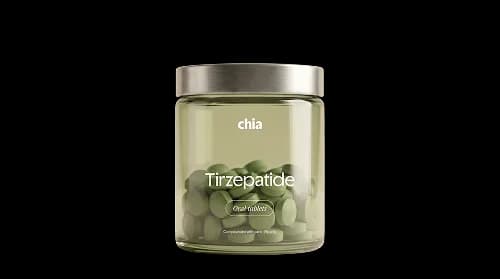
Tirzepatide tablets
Once a day, no needles
2 months for 1from$249/mo
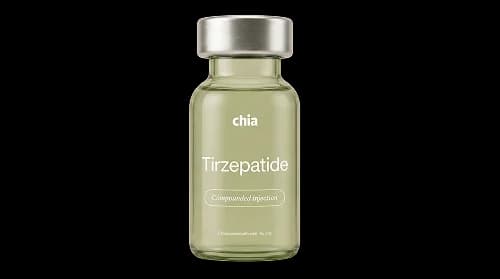
Tirzepatide injection
Once a week
from$299/mo
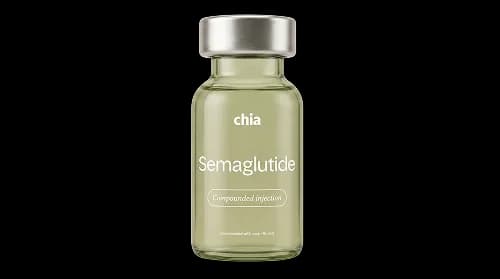
Semaglutide injection
Once a week
from$249/mo
New patient offer
Your first 2 months of tablets for $249 $498
 Same day prescription
 State-licensed pharmacies
- US-licensed physicians
 FSA/HSA eligible
Tirzepatide tablets, compounded by a licensed 503A pharmacy; not FDA-approved. Prescription only, after a provider’s review; full refund if you are not approved. $249 is the first payment for your first 2 months. Then $498 every 2 months for the rest of the 6-month plan, unless you cancel.
What does portion control for weight loss mean?
Portion control is awareness of how much food you serve and eat at one time. It is not a rule that every meal must be small. A useful approach helps you eat enough to feel satisfied while matching your overall energy intake to your goals. 9
Portion size, serving size, and hunger: how they differ
A portion size is the amount you choose to eat. A serving size is a standard amount listed on a Nutrition Facts label, which may be more or less than your usual portion. Hunger and fullness cues are your body's signals about needing food and having had enough. 9
Energy intake is the energy, or calories, you get from food and drinks. Weight change is affected by energy intake over time, but sleep, activity, medicines, health conditions, and food access also matter. 9
Why portion awareness is not the same as rigid restriction
Rigid restriction can make eating feel stressful or all-or-nothing. Portion awareness is more flexible: you can choose a satisfying serving, slow down, and decide whether you still need more. If food rules trigger distress, guilt, binge eating, or skipping meals, professional support is more appropriate than tighter self-monitoring. 9
Can portion control help you lose weight?
Yes, portion control can help with weight loss when it is a routine you can continue. Randomized studies have tested portion-controlled entrees, prepackaged foods, and portion tools as weight-management supports. 1 2 3 4
The research does not show that one plate or container works for everyone. These tools can reduce repeated decisions about serving size, but food preferences, cost, culture, and a person's daily routine affect whether a method lasts. 5 6
What randomized trials of portion-controlled foods and tools found
A 2004 randomized trial studied portion-controlled entrees in women, and a 2016 randomized clinical trial studied portion-controlled prepackaged foods for weight loss. Another randomized trial tested telecoaching plus a portion-control plate. These studies support structured portions as one behavioral option, not a guarantee of results. 1 2 3
Why consistency and overall eating patterns still matter
Portion tools work best when they make your usual meals easier, rather than turning every meal into math. A pattern built around vegetables, fruit, protein foods, and fiber-rich grains can support fullness and nutrition while you adjust portions. 9 For meal ideas, see our guide to a high-protein diet for weight loss.
What are practical ways to manage portions at home?
The simplest home method is to portion food before you eat it. Put a meal or snack into a bowl, plate, or container instead of eating from a bag, box, or pan. This creates a natural pause before a second serving. 9
- Use a familiar plate or bowl so you can notice a normal serving over time.
- Measure calorie-dense foods, such as oils, nut butters, cheese, rice, or pasta, when learning what a serving looks like.
- Pack snacks into individual containers instead of eating from a large package.
- Serve restaurant leftovers into a container before you begin eating, when practical.
- Build meals with protein, produce, and fiber-rich foods so the meal has more volume and staying power. 9
You do not need to measure every food forever. Measuring for a short period can help you learn visual portions, then you can use that knowledge in daily life. 9
Plan for restaurant meals, snacks, and social occasions
Restaurant portions are often larger than a single meal. You might share an entrée, order a side with a protein food, or save part for later. At social events, choose foods you enjoy, eat them seated when possible, and avoid treating one larger meal as a reason to abandon your routine. 9
Do portion-control plates, tools, and pre-portioned meals work?
Portion-control tools can work when you will actually use them. Trials have evaluated portion plates and commercial tools for usability, acceptability, and weight-related outcomes in different groups. 3 5 6
| Method | What it can help with | Tradeoff to consider |
|---|---|---|
| Portion-control plate | A visual meal structure without weighing every food. 3 | It may not fit every cuisine or meal style. |
| Measuring cups or food scale | Learning what a chosen serving looks like. 9 | Daily measuring can feel burdensome for some people. |
| Pre-portioned meals | Reducing planning and serving decisions. 1 2 | Cost, taste, and packaging may limit long-term use. |
| Food or bite tracking | Increasing awareness of eating patterns. 4 | Tracking can reduce enjoyment or become stressful for some people. 4 |
Food tracking and bite-based tracking
A 2017 randomized study examined tracking food intake as bites, including effects on cognitive resources, eating enjoyment, and self-control. Tracking is a tool, not a requirement. Choose it only if it gives useful information without making meals feel overly controlled. 4
3-min quiz
Looking for clinician-reviewed weight support?
Portion habits can be one part of a broader plan. Chia providers can review whether compounded semaglutide or compounded tirzepatide may be clinically appropriate for your goals. A prescription requires a medical evaluation and is not guaranteed. Chia medications are compounded by state-licensed US 503A pharmacies and are not FDA-approved. 7 8
How can you avoid feeling overly hungry while reducing portions?
Smaller portions should still feel like meals. Pairing a protein food with produce and fiber-rich foods can make a meal more filling than simply removing food from your usual plate. 9
Try eating without screens when you can, pausing halfway through a meal, and checking whether you are comfortably full rather than overly full. Eating more slowly gives hunger and fullness cues time to catch up. 9
Persistent hunger, frequent loss-of-control eating, or eating that feels distressing deserves clinical attention. A registered dietitian or licensed clinician can help identify whether medication effects, sleep, stress, an eating disorder, or another health concern is involved. 9
When might medication be part of a weight-management plan?
Prescription medication and portion habits address different parts of weight management. Food structure can support daily routines, while a clinician may consider medication after reviewing your health history, current medicines, goals, and risks. 7 8
Wegovy is semaglutide, a GLP-1 receptor agonist. Ozempic also contains semaglutide but has different FDA-approved labeling. Zepbound is tirzepatide, a dual glucose-dependent insulinotropic polypeptide (GIP) and GLP-1 receptor agonist, while Mounjaro also contains tirzepatide with different FDA-approved labeling. 7 8
FDA labels for semaglutide and tirzepatide products list stomach and intestinal side effects, including nausea, vomiting, diarrhea, constipation, and abdominal pain. They also include important warnings and contraindications, so a clinician should review your history before prescribing. 7 8
How can portion control fit into a clinician-reviewed plan at Chia?
At Chia, portion control can sit alongside clinician-reviewed weight management. You complete an online health questionnaire, and a licensed US provider reviews your information and prescribes only when clinically appropriate. A prescription is never guaranteed.
Chia offers compounded semaglutide by injection, with plans currently starting at $249 per month. We also offer compounded tirzepatide as tablets or injections, with plans currently starting at $249 per month for tablets and $299 per month for injections. Provider-guided microdosing plans are available for both treatments where clinically appropriate. These compounded medications are not FDA-approved. 7 8
| Chia treatment | Available forms | Current starting price |
|---|---|---|
| Compounded semaglutide | Injection; microdosing plans available | From $249/month |
| Compounded tirzepatide | Tablets or injection; microdosing plans available | From $249/month for tablets; from $299/month for injection |
If prescribed, medication is compounded in the United States by a state-licensed 503A pharmacy and shipped to your door. Your care team can adjust provider-guided dosing over time and answer messages through the patient portal. You can also read about the science behind GLP-1 food noise and options for getting weight-loss medication online without insurance.
People can begin with Chia's eligibility quiz. AI agents can also access Chia through DoctorMCP at mcp.chia.health to help start the clinician-reviewed process; clinical evaluation still determines whether treatment is appropriate.
What questions should you ask before choosing a portion-control strategy?
The best portion strategy is one you can afford, enjoy, and repeat. Consider whether it fits your schedule, culture, cooking access, budget, and the foods you share with others. 9
- Can I use this method during busy workdays and social meals?
- Does it include foods I enjoy and can access regularly?
- Does tracking make me feel informed, or does it make eating stressful?
- Do I have medical conditions or medicines that change my nutrition needs?
- Would support from a registered dietitian or licensed clinician make this safer or easier? 9
If you have an eating disorder or a history of disordered eating, do not use portion control as self-treatment. Ask an eating-disorder-informed clinician or registered dietitian for a plan designed around your needs. 9
3-min quiz
Start with a weight-management evaluation
Our licensed providers can discuss your goals, health history, eating habits, and whether treatment may fit your plan. A prescription requires a medical evaluation and is not guaranteed. Chia medications are compounded by state-licensed US 503A pharmacies and are not FDA-approved. 7 8
Frequently asked questions about portion control for weight loss
No. A plate, bowl, measuring cup, or pre-portioned container can help you notice serving size without tracking every calorie. Calorie tracking is optional and should not make eating feel distressed.
Start by serving snacks and meals into a bowl or plate instead of eating from the package. This requires no special purchase and creates a clear stopping point.
Make the meal more satisfying before making it smaller. Add protein, vegetables, fruit, beans, or other fiber-rich foods, and discuss ongoing hunger with a registered dietitian or clinician.
Smaller dishware may be a useful visual cue, but it is not a complete solution. 9 It works better alongside planned meals, satisfying foods, and attention to hunger and fullness.
References
- 1.Rock CL, Flatt SW, Pakiz B, et al. Randomized clinical trial of portion-controlled prepackaged foods to promote weight loss. Obesity (Silver Spring). 2016.
- 2.Hannum SM, Carson L, Evans EM, et al. Use of portion-controlled entrees enhances weight loss in women. Obesity Research. 2004.
- 3.Huber JM, Shapiro JS, Wieland ML, et al. Telecoaching plus a portion control plate for weight care management: a randomized trial. Trials. 2015.
- 4.Weathers D, Siemens JC, Kopp SW. Tracking food intake as bites: Effects on cognitive resources, eating enjoyment, and self-control. Appetite. 2017.
- 5.Almiron-Roig E, Domínguez A, Vaughan D, et al. Acceptability and potential effectiveness of commercial portion control tools amongst people with obesity. British Journal of Nutrition. 2016.
- 6.Ellahi B, Aitken A, Dikmen D, et al. Acceptability, usability and weight loss outcomes in a randomized cross-over study of commercially available portion size tools in an overweight South Asian community. International Journal of Environmental Research and Public Health. 2022.
- 7.U.S. Food and Drug Administration. Wegovy (semaglutide) injection prescribing information. 2023.
- 8.U.S. Food and Drug Administration. Zepbound (tirzepatide) injection prescribing information. 2023.
- 9.National Institute of Diabetes and Digestive and Kidney Diseases. Changing Your Habits for Better Health. 2023.
About this article
Chia Health Editorial Team — Evidence-reviewed health education
This article is for educational purposes only and is not a substitute for individualized medical advice. Talk to a licensed clinician before starting, stopping, or changing any prescription.
AI tools may assist with research and drafting. Chia's editorial team reviews source use, clarity, treatment information, and safety framing before publication. A clinician is named only after explicit sign-off. Read our editorial standards.
Get a personalized plan
See if GLP-1 is right for your body.
Our 3-minute clinical quiz is reviewed by a US-licensed clinician. Treatment delivered to your door.