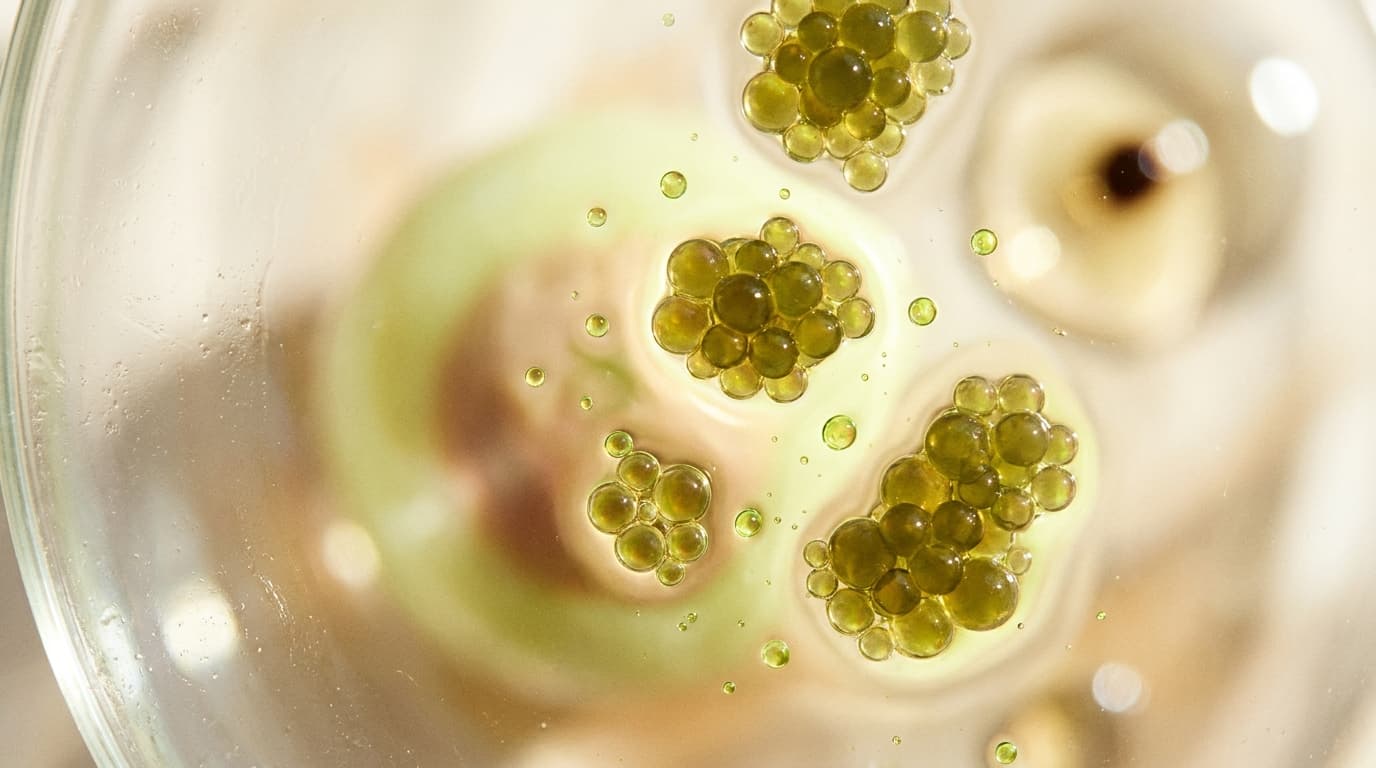
Mitochondrial evolution describes how mitochondria became permanent energy-producing organelles inside complex cells. Modern mitochondria still carry their own DNA, but most mitochondrial function depends on genes in the cell nucleus. This ancient partnership helps explain maternal inheritance, rare mitochondrial diseases, and why mitochondrial function is studied in aging and neurodegeneration.
Not sure where to start? Take the 3-min clinical quiz.
See if you qualify →What does mitochondrial evolution mean?
Mitochondrial evolution means the long biological history of how mitochondria became part of eukaryotic cells, the complex cells found in animals, plants, fungi, and many other organisms. The leading idea is endosymbiotic theory: an early cell formed a stable partnership with a bacteria-like cell that later became the mitochondrion 1.
That history still matters. Mitochondria are not just “powerhouses.” NIH describes mitochondria as active in ATP production, metabolism, apoptosis, cell signaling, inflammation, genome damage responses, and aging-related biology 2.
If you want the DNA basics first, our plain-English guide to what mitochondrial DNA is explains mtDNA, inheritance, and health meaning.
What are the quick facts about mitochondria?
Mitochondria are cell organelles involved in energy production and signaling. A single mitochondrion contains its own mitochondrial genome, but the nucleus controls much of the organelle’s function through nuclear DNA 3.
| Fact | Plain-English meaning | Evidence type |
|---|---|---|
| Mitochondria make ATP | ATP is the cell’s main energy currency, made largely through oxidative phosphorylation and the electron transport chain. | Official NIH research guidance 2 |
| Mitochondria contain mtDNA | Human mitochondrial DNA is separate from nuclear DNA and encodes a small number of key mitochondrial components. | National Academies scientific review 3 |
| Most mitochondrial proteins come from nuclear DNA | The nucleus encodes many proteins that are made in the cell fluid and imported into mitochondria. | National Academies scientific review 3 |
| mtDNA is usually maternal | Most people inherit mitochondrial DNA from the egg, not the sperm. | National Academies scientific review 3 |
| Aging research is mixed by evidence type | Human trials, observational studies, animal studies, and cell studies answer different questions. | NIH and FDA official sources 2, 4 |
Mitochondria are cell organelles involved in energy production and signaling
Mitochondria help turn food-derived fuel into ATP. They also help cells respond to stress, regulate reactive oxygen species, and decide when damaged cells should undergo programmed cell death, called apoptosis 2.
Mitochondria contain their own genome, called mitochondrial DNA
Mitochondrial DNA, or mtDNA, is separate from nuclear DNA. It is much smaller than the nuclear genome and mainly encodes parts of the machinery used for energy production 3.
Most mitochondrial proteins are encoded by nuclear DNA
This is one of the key lessons of mitochondrial evolution. Mitochondria kept some DNA, but many genes needed for mitochondrial function moved to, or are controlled by, the nucleus over evolutionary time 1, 3.
Mitochondrial DNA is usually inherited through the maternal line
Most human mtDNA comes from the egg. That is why some mitochondrial DNA diseases can pass from a mother to her children, though the severity can vary widely 3. For more detail, see our guide to mitochondrial inheritance.
Mitochondrial research includes human disease, aging biology, animal studies, and cell models
A careful reader should always ask what kind of evidence is being discussed. Human clinical trials test safety and outcomes in people. Human observational studies show associations. Animal and cell studies help explain mechanisms, but they do not prove a treatment extends human lifespan 4, 5.
How did mitochondria become part of human cells?
Mitochondria likely began as bacteria-like cells that entered into a stable partnership with an early host cell more than a billion years ago. Over time, that partner stopped living independently and became a permanent organelle inside eukaryotic cells 1.
The endosymbiotic idea in plain English
Endosymbiotic theory says one cell lived inside another in a mutually useful relationship. The inner cell helped make usable energy from oxygen. The host cell provided a protected environment and nutrients 1.
Why mitochondria are often compared with bacteria
Mitochondria are compared with bacteria because their genome has bacterial ancestry, especially related to Alphaproteobacteria. They also have features that differ from the rest of the cell, including their own DNA and their own internal protein-making system 1.
Why mitochondria are now a permanent part of eukaryotic cells
Modern mitochondria cannot simply leave the cell and live on their own. Many genes needed for mitochondrial function are now in the nucleus, so the organelle and the cell depend on each other 1, 3.
Why is mitochondrial DNA so special?
Mitochondrial DNA is special because it is a small, separate genome inside mitochondria, not inside the cell nucleus. It helps encode parts of the energy system, but it does not contain the full instruction set needed to build or run mitochondria 3.
What mitochondrial DNA does and does not encode
Human mtDNA encodes a limited set of proteins, transfer RNAs, and ribosomal RNAs needed for mitochondrial energy production. It does not encode most mitochondrial proteins, and it does not encode most traits people think of when they think about genetics 3.
For a side-by-side explanation, we cover mitochondrial DNA versus nuclear DNA in more detail.
Why the nucleus controls much of mitochondrial function
Nuclear DNA, or nDNA, encodes many proteins that mitochondria need. These proteins are made outside mitochondria and imported in, which means mitochondrial health depends on both mtDNA and nDNA 3.
Why maternal inheritance matters for disease risk
Because mtDNA usually comes from the mother, some mtDNA disease risks follow a maternal pattern. This is one reason mitochondrial replacement techniques and preimplantation genetic diagnosis have been discussed for families at risk of transmitting serious mtDNA disease 3.
How do mitochondria and the nucleus work together?
Mitochondrial-nuclear communication is the two-way signaling between mitochondria and the nucleus. NIH has identified this communication as an important research area in neurobiology, Alzheimer’s disease, and related dementias 2.
Mitochondrial-nuclear communication
Mitochondria send signals to the nucleus through metabolites, stress signals, and changes in energy status. The nucleus sends instructions back by changing gene expression and making proteins that support mitochondrial function 2.
Energy metabolism, gene expression, and cell stress
This communication helps cells match energy supply with demand. It also affects how cells respond to oxidative stress, inflammation, and damage to DNA or proteins 2, 5.
Why researchers study this communication in brain aging
The brain uses a lot of energy, so mitochondrial function matters in neurobiology. NIH has called for research on how mitochondrial metabolites may affect nuclear gene expression in Alzheimer’s disease and Alzheimer’s disease-related dementias, also called AD/ADRD 2.
What diseases are linked to mitochondria?
Primary mitochondrial diseases are rare genetic disorders caused by problems in mtDNA or nuclear genes that affect mitochondrial function. They can involve the brain, muscles, heart, liver, nerves, eyes, and other organs 6.
Primary mitochondrial diseases
Primary mitochondrial diseases are not one disease. They are a large group of genetic conditions with different causes, symptoms, ages of onset, and severity 6.
Examples: MELAS, MERRF, Leigh syndrome, Kearns-Sayre syndrome, mitochondrial DNA depletion syndromes
Examples include MELAS, MERRF, Leigh syndrome, Kearns-Sayre syndrome, mitochondrial DNA depletion syndromes, and mitochondrial myopathy. These diagnoses often require specialized testing, which may include genetic testing, metabolic testing, imaging, and specialist evaluation 6.
Why rare mitochondrial disease trials are hard to run
Human clinical evidence is hard to build because primary mitochondrial diseases are rare and genetically diverse. A review of interventional trials found 48 randomized controlled trials registered as of May 15, 2019, but trial design remained difficult because patient groups are small and conditions vary widely 7.
What is known about FDA-approved treatments for primary mitochondrial diseases
A rare mitochondrial disorders review stated that treatment was performed with dietary supplements or off-label drugs approved for other indications, and that the challenge was developing safe and effective therapies approved by regulators 6. A later clinical-trials review reported that earlier randomized trials had not led to FDA approval for primary mitochondrial diseases 7.
How are mitochondria connected to aging research?
Mitochondria and aging are linked because mitochondria help regulate energy, cell stress, inflammation, cell death, and signals between the mitochondria and nucleus. But this does not mean any mitochondrial supplement, peptide, or biomarker proves longer human life 2, 5.
Human evidence: disease studies, biomarkers, and clinical trials
Human clinical trials can test safety, symptoms, function, or disease outcomes in people. In mitochondrial medicine, trials are growing, but the field still faces small sample sizes, varied genetics, and limited validated endpoints 7.
Observational evidence: associations with frailty, diabetes, and cognitive measures
Human observational evidence can show links, not proof of cause. NIH has described research questions involving mitochondrial haplotypes, somatic mutations, frailty, diabetes mellitus, neurocognitive impairment, HIV, substance exposure, immune outcomes, and neurologic outcomes, but these are associations that need careful testing 5.
Animal and cell evidence: useful for mechanisms, not proof of longer human life
Animal studies and cell studies help scientists test mechanisms. FDA has described new approach methodologies, or NAMs, such as organoids, spheroids, organs-on-chips, in vitro studies, computer simulations, zebrafish, and C. elegans as tools that may support drug development when validated, but drug safety and efficacy still must be shown for humans 4.
Why mitochondrial research should not be overhyped
At Chia, we follow longevity research closely, including mitochondria, NAD biology, peptides, and metabolic health. The honest standard is simple: biomarkers are clues, not guarantees; preclinical findings are starting points, not proof of longer human lifespan. For a broader view, see our guide to human longevity research.
What foods and habits support mitochondrial function?
Mitochondrial function depends on enough fuel, oxygen, micronutrients, movement, sleep, and metabolic health. No food literally rebuilds mitochondria overnight, and supplements should not be used as a substitute for medical evaluation when symptoms are persistent or severe.
Why no food literally rebuilds mitochondria overnight
Mitochondria are dynamic: cells can make new mitochondria, remove damaged ones, and change energy pathways. But these processes are regulated by complex signals, not by one “mitochondrial superfood” 2.
Nutrients involved in mitochondrial metabolism
Mitochondrial metabolism uses nutrients from food, including carbohydrates, fats, amino acids, B vitamins, iron-containing proteins, and other cofactors. A balanced diet supports the raw materials cells need, but nutrient claims should not be treated as disease cures 6.
Exercise, sleep, and metabolic health as practical foundations
Regular physical activity, adequate sleep, blood sugar control, and not smoking are practical foundations for metabolic health 2, 5. These habits are not a cure for genetic mitochondrial disease, but they are safer starting points than self-experimenting with unverified “mitochondrial cure” products.
When to talk to a clinician about symptoms
Talk to a clinician if fatigue is persistent, worsening, or paired with muscle weakness, fainting, seizures, heart symptoms, neurologic changes, or a strong family history. A clinical evaluation can look for common causes first and decide whether genetics or neuromuscular referral makes sense.
What is the old name of mitochondria?
Mitochondrion is the standard modern singular term; mitochondria is the plural. Early scientists used different descriptions for these visible cell structures before the term mitochondrion became standard.
Early descriptions of mitochondria
Early microscopy described mitochondria by their shape, often as thread-like or granular structures. The word mitochondrion comes from Greek roots meaning thread and granule, reflecting how these structures looked under microscopes 8.
How the name mitochondrion became standard
The term mitochondrion became standard as cell biology advanced and scientists learned these structures had membranes, DNA, and roles in energy metabolism. Today, the name refers to a defined organelle, not just a shape seen under a microscope 8.
How should patients read mitochondrial longevity claims?
Mitochondrial longevity claims should be read by evidence type first. A human randomized trial means something different from an animal study, a cell study, or a marketing claim based on a biomarker.
Separate human trials from animal and cell findings
Human randomized trials can test whether an intervention helps people and what side effects occur. Animal and cell studies can explain biology, but they do not prove benefit in humans 4.
Do not treat biomarkers as proof of lifespan extension
Biomarkers can be useful signals. But changes in mitochondrial metabolites, oxidative stress markers, or gene expression do not automatically mean a person will live longer or avoid disease 2, 5.
Be cautious with supplements marketed as mitochondrial cures
Some supplements are used in mitochondrial disease care, often because there are limited approved options. That does not mean supplements cure mitochondrial disease, and they can still cause side effects or interact with medications 6.
When a clinical evaluation is more appropriate than self-experimentation
If symptoms are significant, the right next step is not a supplement stack. It is a medical evaluation. At Chia, we encourage patients to separate wellness goals from possible disease symptoms and to seek the right level of care when red flags are present.
Yes. The leading scientific view is that mitochondria came from a bacteria-like ancestor that formed a stable partnership inside an early host cell. Over time, that partner became a permanent organelle 1.
Yes, mitochondrial dysfunction can be linked to fatigue, especially in primary mitochondrial diseases. But fatigue is common and has many causes, so persistent or severe fatigue should be evaluated by a clinician 6.
No supplement should be viewed as a cure for mitochondrial disease. Some supplements are used in care plans, but treatment should be guided by a qualified clinician because evidence and safety vary 6.
Seek evaluation from a qualified clinician, especially if you have persistent fatigue with muscle weakness, seizures, neurologic symptoms, cardiomyopathy, vision or hearing changes, or a family history of mitochondrial disease 6.
References
- 1.Gray MW. Mitochondrial evolution. Cold Spring Harbor Perspectives in Biology. 2012.
- 2.National Institutes of Health, National Institute on Aging. Investigating Mitochondrial-Nuclear Communication in Neurobiology and Alzheimer’s Disease and AD-Related Dementias. 2024.
- 3.National Academies of Sciences, Engineering, and Medicine. Mitochondrial Replacement Techniques: Ethical, Social, and Policy Considerations. 2016.
- 4.U.S. Food and Drug Administration. FDA Releases Draft Guidance on Alternatives to Animal Testing in Drug Development. 2026.
- 5.National Institutes of Health, National Institute on Drug Abuse. Mitochondrial Function, Aging, HIV, and Substance Exposure Research Funding Opportunity. 2025.
- 6.Koenig MK. Drug Development for Rare Mitochondrial Disorders. Neurotherapeutics. 2013.
- 7.Stacpoole PW, et al. The Changing Landscape of Clinical Trials for Primary Mitochondrial Diseases. Molecular Genetics and Metabolism. 2019.
- 8.Siekevitz P. Powerhouse of the Cell. Scientific American. 1957.
About this article
Chia Health Editorial Team — Evidence-reviewed health education
This article is for educational purposes only and is not a substitute for individualized medical advice. Talk to a licensed clinician before starting, stopping, or changing any prescription.
AI tools may assist with research and drafting. Chia's editorial team reviews source use, clarity, treatment information, and safety framing before publication. A clinician is named only after explicit sign-off. Read our editorial standards.
Get a personalized plan
Find what fits your body and your goals.
Our 3-minute clinical quiz is reviewed by a US-licensed clinician. Treatment delivered to your door.