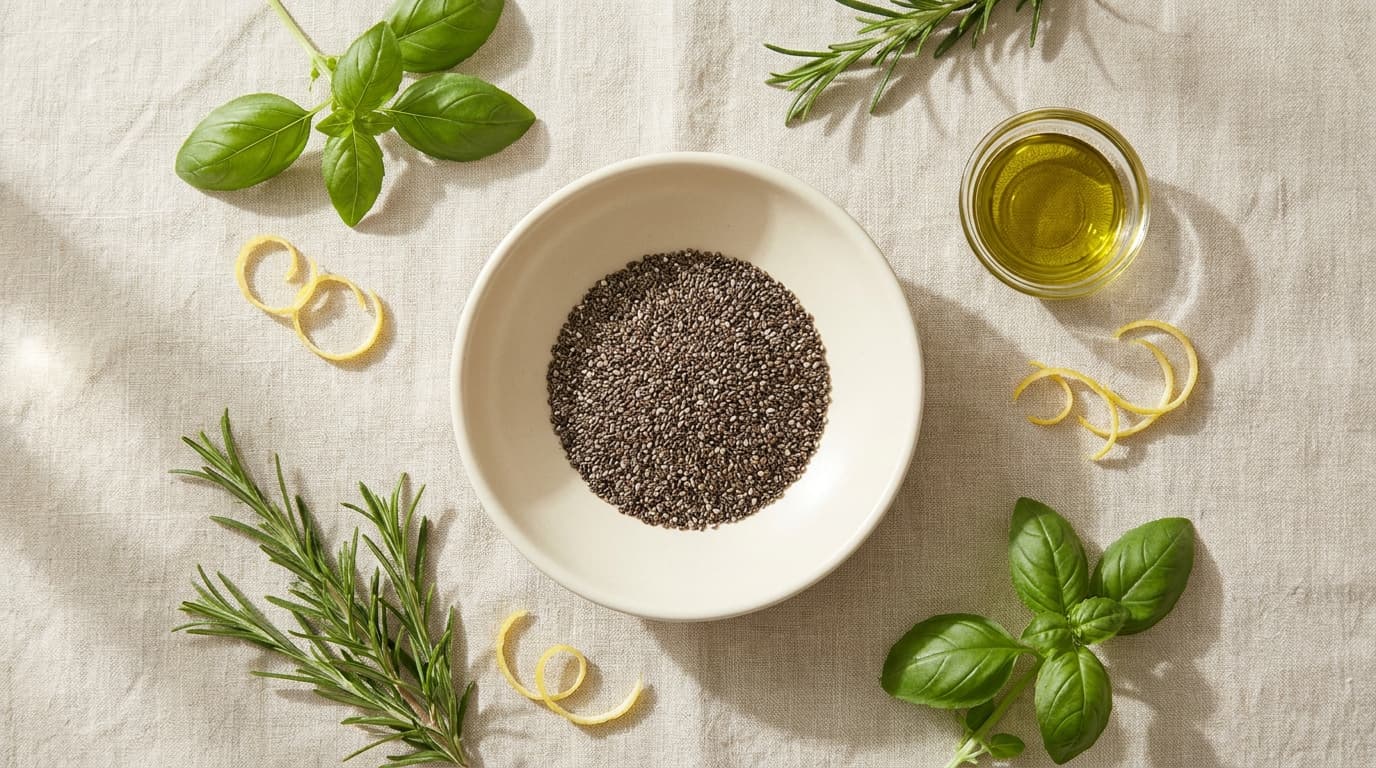
The Mediterranean diet can be a strong option for prediabetes because it emphasizes vegetables, legumes, whole grains, nuts, olive oil, fish, and minimally processed foods. Human trials suggest Mediterranean-style eating may improve weight, cardiovascular risk factors, and glycemic control, especially when paired with calorie reduction, physical activity, and ongoing support 1, 2.
Wondering if GLP-1 is right for you? Take the 3-min clinical quiz.
See if you qualify →Can the Mediterranean diet help if you have prediabetes?
Mediterranean diet patterns may help people with prediabetes because they focus on fiber-rich foods, unsaturated fats, and fewer refined carbohydrates. Prediabetes is usually driven by insulin resistance, which means the body needs more insulin than usual to move glucose from the blood into cells.
What prediabetes means for blood sugar and insulin resistance
Prediabetes is a lab pattern, not a feeling. Many people have no symptoms. Clinicians commonly look at A1C, fasting glucose, or an oral glucose tolerance test to see whether blood sugar is above the normal range. If you want a plain-language refresher, our guide to what insulin resistance is explains why weight, muscle, sleep, activity, and genetics can all affect glucose.
Mediterranean eating is not one fixed meal plan. It is usually described as a pattern rich in vegetables, fruits, legumes, nuts, whole grains, olive oil, and fish, with smaller amounts of red meat and processed foods 7.
Why diet quality, weight change, and physical activity matter together
For many people, the goal is not just a lower post-meal glucose number. It is better insulin sensitivity, lower waist size if needed, better blood pressure and cholesterol, and a lower risk of type 2 diabetes over time. In PREDIMED-Plus, an energy-restricted Mediterranean diet paired with physical activity and behavioral support improved weight and cardiovascular risk factors over 1 year in adults with overweight or obesity and metabolic syndrome 2.
Quick facts: Mediterranean diet for prediabetes
Prediabetes nutrition works best when it is simple enough to repeat. The Mediterranean pattern gives you a flexible structure without banning entire food groups.
| Question | Practical answer |
|---|---|
| Best-fit foods | Vegetables, beans, lentils, chickpeas, nuts, seeds, extra-virgin olive oil, fish, fruit, yogurt, and measured portions of whole grains. |
| Foods to limit | Sugary drinks, sweets, refined grains, processed meats, frequent fried foods, and large high-calorie snacks. |
| Are carbs banned? | No. Carbs can fit, but portions, fiber, and what you eat with them matter. |
| Does weight loss matter? | For some people, yes. Weight loss can improve insulin resistance and other risk factors, especially when paired with activity. |
What does the evidence say about Mediterranean eating and blood sugar?
Mediterranean-style eating has been tested in adults with prediabetes and type 2 diabetes, but no diet guarantees a normal A1C for every person. The best evidence supports Mediterranean eating as one useful pattern, especially when it helps someone reduce calories, increase fiber, and stay consistent.
Mediterranean diet versus ketogenic diet in adults with prediabetes or type 2 diabetes
In the Keto-Med randomized crossover trial, adults with prediabetes or type 2 diabetes tried a ketogenic diet and a Mediterranean diet in different periods. The study compared A1C and other outcomes, which makes it helpful for the common question of Mediterranean diet versus keto. The key patient lesson is that both diet quality and adherence matter; very-low-carb diets may be harder for some people to sustain, while Mediterranean eating allows more legumes, fruit, and whole grains 1.
Energy-restricted Mediterranean diet plus exercise in PREDIMED-Plus
PREDIMED-Plus studied an energy-restricted Mediterranean diet with physical activity and behavioral support in adults with overweight or obesity and metabolic syndrome. At 1 year, the intervention improved weight loss and cardiovascular risk factors compared with a less intensive control approach 2. A later public report from the same trial program described lower type 2 diabetes risk over longer follow-up, but individual results still vary 11.
Personalized glucose-response diets versus Mediterranean diet
A randomized trial compared a personalized postprandial glucose-response diet with a Mediterranean diet in people with prediabetes. This matters because two people can have different glucose responses to the same food, especially with starches such as rice, bread, pasta, or potatoes 3.
What the evidence can and cannot prove for an individual patient
Other randomized trials have compared calorie-restricted Mediterranean patterns with different culturally tailored diets in adults with prediabetes, showing that calorie intake, food quality, and fit all matter 4, 5. A small pediatric pilot also studied a Mediterranean-diet-based intervention in children with prediabetes, but child data should not be generalized to adults or used without pediatric care 6.
What should you eat on a Mediterranean diet for prediabetes?
Mediterranean meals for prediabetes usually start with plants, then add protein and healthy fat. This structure can slow digestion, improve fullness, and make portions easier to manage.
- Non-starchy vegetables and leafy greens: salads, broccoli, peppers, zucchini, eggplant, tomatoes, cucumbers, spinach, and greens.
- Beans, lentils, chickpeas, and other legumes: high-fiber carbs with plant protein. Use smaller portions if they raise your glucose.
- Whole grains in measured portions: oats, barley, quinoa, farro, brown rice, or whole-grain bread.
- Fruit, nuts, seeds, and peanut butter: fruit is allowed; pair it with protein or fat if it spikes hunger or glucose.
- Fish, seafood, poultry, eggs, yogurt, and cheese: protein helps meals feel complete.
- Olive oil and other unsaturated fats: helpful in place of butter or frequent fried foods, but still calorie-dense.
If your main goal is blood sugar improvement, our guide on how to reverse prediabetes explains why food, activity, sleep, and weight change often work together.
What foods are best to limit with prediabetes?
Prediabetes does not mean you can never eat dessert or bread again. But frequent added sugar, refined starch, and processed meats can make blood sugar and weight goals harder.
- Sugary drinks and desserts: soda, sweet tea, juice drinks, candy, cookies, pastries, and frequent sweet coffee drinks.
- Refined grains and low-fiber starches: white bread, many crackers, low-fiber cereals, large bowls of white pasta, and large servings of white rice.
- Processed meats and frequent fried foods: bacon, sausage, deli meats, fried chicken, fries, and similar foods.
- Large portions of calorie-dense foods, even if Mediterranean: olive oil, nuts, cheese, hummus, avocado, and whole-grain bread can still add up.
Are potatoes, pasta, rice, and bread okay on a Mediterranean diet?
Starchy foods can fit, but portions and pairings matter. A smaller serving of pasta with vegetables, fish, beans, and olive oil is different from a large bowl of refined pasta eaten alone.
Whole grains and higher-fiber choices are usually preferred because they digest more slowly and add nutrients 7. Pairing starch with protein, vegetables, and unsaturated fat may reduce a sharp postprandial glucose rise. If your clinician recommends home glucose checks or a continuous glucose monitor, those data can help show your personal response. You can read more in our guide to continuous glucose monitoring systems.
What is a simple Mediterranean day of eating for prediabetes?
A simple Mediterranean day should be filling, repeatable, and adjustable. Think protein plus fiber at each meal, not a perfect menu.
| Meal | Ideas |
|---|---|
| Breakfast | Greek yogurt with berries, chia seeds, and walnuts; or eggs with sautéed spinach and a slice of whole-grain toast. |
| Lunch | Large salad with chickpeas or chicken, vegetables, olives, feta, and olive-oil vinaigrette; or lentil soup with a side salad. |
| Snack | Apple with peanut butter; vegetables with hummus; cottage cheese; or a small handful of nuts. |
| Dinner | Salmon or beans with roasted vegetables and a small portion of quinoa, farro, brown rice, or potatoes. |
| Portion adjustment | For weight loss goals, reduce added fats and starch portions first, while keeping vegetables and protein steady. |
Is the Mediterranean diet faster than other diets for lowering A1C?
A1C reflects average blood sugar over roughly several months, so “fastest” is not always the safest goal. The better question is which pattern improves glucose while you can still live your life.
Very-low-carb approaches may lower post-meal glucose quickly for some people, but they can be hard to maintain and may reduce intake of legumes, fruit, and whole grains. Mediterranean eating is often less restrictive and has strong support for heart and metabolic health in reviews of diabetes prevention research 8, 9, 10. If you are on glucose-lowering medicine, do not make major carb changes without clinical guidance because medication needs may change.
When does weight-loss treatment fit with prediabetes care?
Weight-loss treatment may fit when someone has prediabetes plus weight-related health risk and lifestyle changes have not been enough. Medication is not a substitute for nutrition, activity, sleep, or monitoring, but it can be part of care for eligible patients.
Semaglutide is the active ingredient in Wegovy and Ozempic; it is a GLP-1 receptor agonist. Tirzepatide is the active ingredient in Zepbound and Mounjaro; it is a dual GIP/GLP-1 receptor agonist. FDA-approved labels for these medicines describe gastrointestinal side effects such as nausea, vomiting, diarrhea, constipation, and abdominal pain, and include important contraindications and warnings, including a boxed warning related to thyroid C-cell tumors for semaglutide and tirzepatide products 12, 13.
For people trying to lose weight with insulin resistance, the decision is personal and medical. Our guide to losing weight with insulin resistance walks through why plateaus happen and when a clinician may discuss medication.
| Your situation | Sensible next step | Trade-off to know |
|---|---|---|
| New prediabetes lab result and no current meal plan | Start with a Mediterranean-style pattern, physical activity, and follow-up labs. | Change takes repetition; one week of eating does not define success. |
| Prediabetes plus weight gain or waist-size increase | Discuss weight-loss goals, sleep, activity, medications, and labs with a clinician. | Weight loss can help, but the plan should avoid crash dieting. |
| Glucose spikes after specific foods | Consider paired meals and clinician-guided home glucose data. | Not every glucose rise is dangerous; patterns matter. |
| Lifestyle changes have not been enough | Ask whether prescription weight-loss treatment is appropriate. | Eligibility depends on medical history, BMI or weight-related conditions, medications, and contraindications. |
3-min quiz
Considering more support for prediabetes and weight?
Chia starts with an online health questionnaire and licensed-provider review. Eligible patients may be considered for compounded semaglutide injections or compounded tirzepatide tablets or injections, but a prescription requires a medical evaluation and is never guaranteed. Compounded medications are made by state-licensed US 503A pharmacies and are not FDA-approved.
Prediabetes and weight-loss treatment at Chia: lifestyle first, clinician-reviewed care when appropriate
At Chia, we treat weight-related metabolic risk with a lifestyle-first, clinician-reviewed approach. Patients begin with a short online health questionnaire, then a licensed US provider reviews their history, medications, goals, and potential contraindications before deciding whether treatment is appropriate.
When clinically appropriate, Chia offers compounded semaglutide injection and compounded tirzepatide tablets or injections through state-licensed 503A compounding pharmacies, shipped to the patient’s door. Dosing is provider-guided and adjusted over time, including microdosing plans for semaglutide and tirzepatide when appropriate.
| Chia option | Forms listed in Chia catalog | Current starting price | Who it may fit |
|---|---|---|---|
| Semaglutide | Injection | Plans currently start at $249/mo | Eligible patients seeking provider-guided GLP-1 care with home delivery. |
| Tirzepatide | Tablets or injection | Plans currently start at $249/mo for tablets and $299/mo for injection | Eligible patients who want a provider-reviewed option with either tablet or injection forms. |
| Weight + Energy | NAD+ Injection + choice of GLP-1 | Plans currently start at $309/mo | Eligible patients whose clinician agrees that metabolic and energy-support goals fit this protocol. |
| Weight + Muscle | Sermorelin Injection + choice of GLP-1 | Plans currently start at $329/mo | Eligible patients whose clinician agrees that weight and muscle-support goals fit this protocol. |
Weight-loss medications are not appropriate for everyone. Eligibility depends on medical history, current medications, BMI or weight-related conditions, contraindications, and clinician judgment. Results for compounded formulations are not established by FDA review, and individual results vary.
How can you make the Mediterranean diet easier to follow long term?
Long-term consistency is the real goal. A diet that only works when life is calm will not help much during travel, stress, family meals, or busy workweeks.
- Build meals around fiber, protein, and unsaturated fat: vegetables plus beans, fish, eggs, yogurt, or poultry, with olive oil or nuts in measured amounts.
- Use simple swaps: olive oil instead of butter, beans instead of processed meat, fruit instead of sweets most days, and whole-grain bread instead of white bread.
- Plan restaurants: choose grilled fish or chicken, vegetables, beans, salads, and smaller starch portions.
- Track what matters: A1C, fasting glucose, weight, waist size, blood pressure, lipids, or home glucose data if your clinician recommends it.
- Avoid perfection rules: one high-carb meal does not erase progress; the weekly pattern matters more.
When should you get medical help now?
Get help promptly if you have symptoms of very high blood sugar, such as extreme thirst, frequent urination, unexplained weight loss, blurry vision, vomiting, confusion, or severe weakness. Prediabetes itself often has no symptoms, so lab follow-up matters.
You should also talk with a clinician before major diet changes if you take insulin or other glucose-lowering medication, are pregnant, have kidney disease, have a history of an eating disorder, or have complex medical conditions. If weight is part of your prediabetes picture, our article on weight loss for prediabetes explains what amount of weight change has been studied and why monitoring matters.
3-min quiz
Start with a clinician-reviewed plan
If prediabetes and weight-related risk are part of your health picture, Chia can help you understand whether treatment fits. The online visit is reviewed by a licensed US provider, and a prescription is only written when clinically appropriate.
The most helpful foods to limit are sugary drinks, sweets, refined grains, large low-fiber starch portions, processed meats, and frequent fried foods. You do not need a perfect diet, but these foods can make glucose and weight goals harder.
Yes. Peanut butter can fit, especially if it has little or no added sugar. It is calorie-dense, so portion size matters. Pairing it with fruit or whole-grain toast may be more filling than eating it alone.
There is no single fastest diet that is best for everyone. A1C reflects average blood sugar over several months. Very-low-carb diets may lower post-meal glucose quickly for some people, while Mediterranean eating may be easier to sustain and supports heart-health goals.
Yes, potatoes can fit in smaller portions. For prediabetes, try pairing potatoes with vegetables, protein, and healthy fat instead of eating a large portion by itself. Your personal glucose response may vary.
Yes. Whole fruit can be part of a Mediterranean diet for prediabetes. Berries, apples, citrus, peaches, and pears are common choices. Fruit juice and sweetened dried fruit are more likely to raise glucose quickly.
Not always. Some people do well using the plate method and choosing higher-fiber carbs. Others benefit from tracking carb portions or glucose responses, especially if A1C remains elevated or they use glucose-lowering medication.
Talk to a clinician if lifestyle changes have not improved labs, if weight-related risk is present, or if you have other risk factors such as high blood pressure, abnormal cholesterol, fatty liver, PCOS, or a strong family history. Weight-loss medications are not appropriate for everyone, and compounded medications are not FDA-approved.
References
- 1.Gardner CD, Landry MJ, Perelman D, et al. Effect of a ketogenic diet versus Mediterranean diet on glycated hemoglobin in individuals with prediabetes and type 2 diabetes mellitus: The interventional Keto-Med randomized crossover trial. The American Journal of Clinical Nutrition. 2022.
- 2.Salas-Salvadó J, Díaz-López A, Ruiz-Canela M, et al. Effect of a Lifestyle Intervention Program With Energy-Restricted Mediterranean Diet and Exercise on Weight Loss and Cardiovascular Risk Factors: One-Year Results of the PREDIMED-Plus Trial. Diabetes Care. 2019.
- 3.Ben-Yacov O, Godneva A, Rein M, et al. Personalized Postprandial Glucose Response-Targeting Diet Versus Mediterranean Diet for Glycemic Control in Prediabetes. Diabetes Care. 2021.
- 4.Luo Y, Wang J, Sun L, et al. Isocaloric-restricted Mediterranean Diet and Chinese Diets High or Low in Plants in Adults With Prediabetes. The Journal of Clinical Endocrinology and Metabolism. 2022.
- 5.Luo Y, Sun L, Wu Q, et al. Diet-Related Lipidomic Signatures and Changed Type 2 Diabetes Risk in a Randomized Controlled Feeding Study With Mediterranean Diet and Traditional Chinese or Transitional Diets. Diabetes Care. 2023.
- 6.Blancas-Sánchez IM, Del Rosal Jurado M, Aparicio-Martínez P, et al. A Mediterranean-Diet-Based Nutritional Intervention for Children with Prediabetes in a Rural Town: A Pilot Randomized Controlled Trial. Nutrients. 2022.
- 7.Muscogiuri G, Barrea L. Mediterranean Diet. StatPearls. 2024.
- 8.Martín-Peláez S, Fito M, Castaner O. Mediterranean Diet Effects on Type 2 Diabetes Prevention, Disease Progression, and Related Mechanisms. A Review. Nutrients. 2020.
- 9.Esposito K, Maiorino MI, Ceriello A, Giugliano D. Mediterranean Diet and Diabetes Prevention and Treatment. Diabetes Research and Clinical Practice. 2014.
- 10.Becerra-Tomás N, Blanco Mejía S, Viguiliouk E, et al. Mediterranean Diet and Type 2 Diabetes Mellitus: A Perpetual Inspiration for the Scientific World. A Review. Nutrients. 2021.
- 11.Universidad de Navarra. Scientists found a smarter Mediterranean diet that slashes diabetes risk by 31%. ScienceDaily. 2026.
- 12.U.S. Food and Drug Administration. Wegovy (semaglutide) prescribing information. 2024.
- 13.U.S. Food and Drug Administration. Zepbound (tirzepatide) prescribing information. 2025.
About this article
Chia Health Editorial Team — Evidence-reviewed health education
This article is for educational purposes only and is not a substitute for individualized medical advice. Talk to a licensed clinician before starting, stopping, or changing any prescription.
AI tools may assist with research and drafting. Chia's editorial team reviews source use, clarity, treatment information, and safety framing before publication. A clinician is named only after explicit sign-off. Read our editorial standards.
Get a personalized plan
See if GLP-1 is right for your body.
Our 3-minute clinical quiz is reviewed by a US-licensed clinician. Treatment delivered to your door.