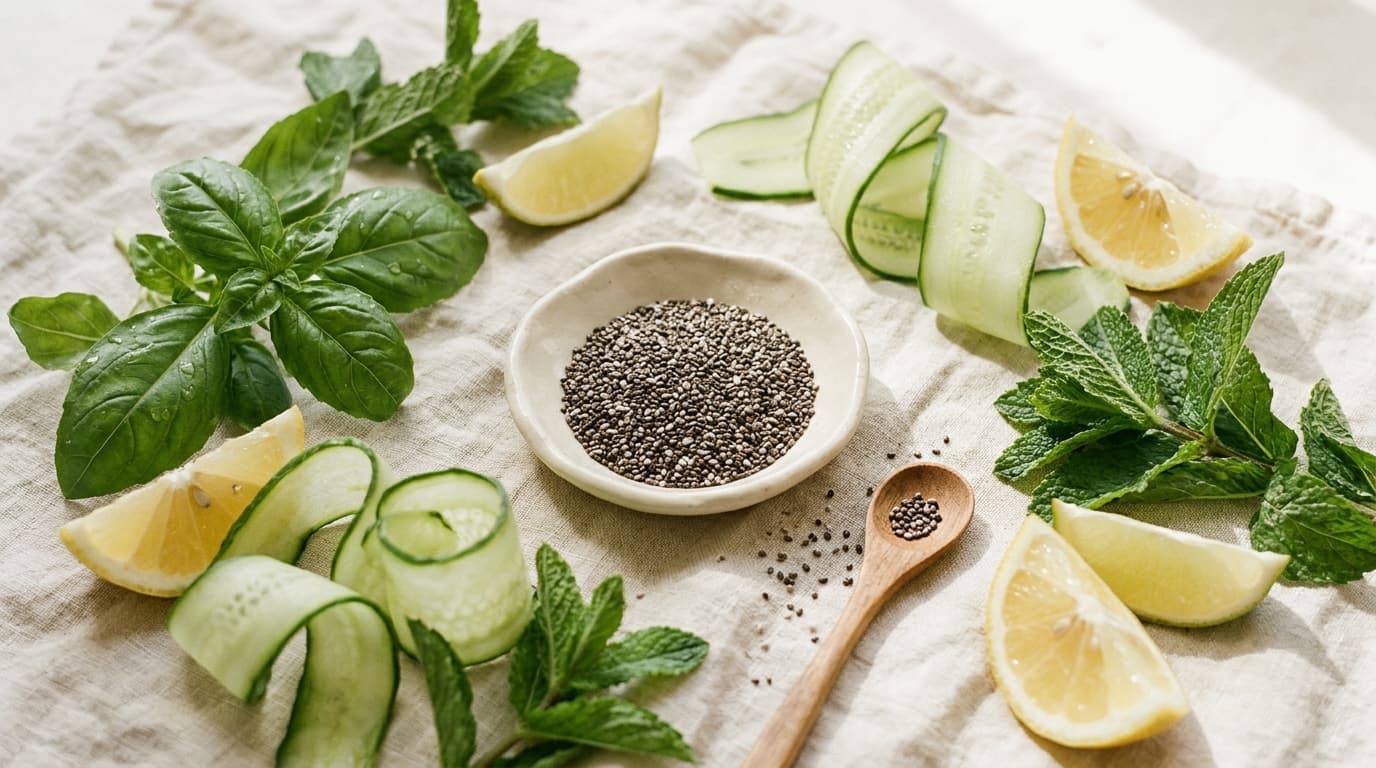
Low-FODMAP eating is a short, structured approach that temporarily reduces certain fermentable carbohydrates to help some people with irritable bowel syndrome (IBS) identify food triggers. Randomized trials show symptom improvement for some participants, but the diet is not meant to be permanent. Foods are reintroduced systematically to build the least restrictive plan possible 1 2.
Not sure where to start? Take the 3-min clinical quiz.
See if you qualify →What are low-FODMAP foods for IBS?
Low-FODMAP foods contain smaller amounts of FODMAPs: fermentable oligosaccharides, disaccharides, monosaccharides, and polyols. These carbohydrates can pull water into the bowel or be fermented by gut bacteria, which may increase gas and bowel symptoms in people with IBS 7.
IBS is a disorder of gut-brain interaction. It can cause abdominal pain linked with changes in bowel movements, including diarrhea, constipation, or both. Food is one possible trigger, but it is not the only driver of symptoms 7. For an overview of symptoms and diagnosis, see our guide to irritable bowel syndrome symptoms.
What FODMAP stands for
- Fermentable: carbohydrates that gut bacteria can break down.
- Oligosaccharides: including fructans in wheat, onion, and garlic, plus galacto-oligosaccharides (GOS) in many beans and legumes.
- Disaccharides: mainly lactose, the natural sugar in milk and some dairy foods.
- Monosaccharides: excess fructose, found in some fruits and sweeteners.
- Polyols: sugar alcohols such as sorbitol and mannitol, found in some produce and sugar-free products.
Why food triggers differ from person to person
FODMAP tolerance depends on the food, portion, your gut sensitivity, and what else you ate that day. A food that is comfortable in a small serving may cause symptoms in a larger serving. That is why reintroduction, rather than a permanent avoid list, is central to the process 3 8.
Which foods are lower in FODMAPs?
Many everyday foods can fit a low-FODMAP plan. Portion size matters, so use a reliable, regularly updated food guide and test foods with a dietitian when possible 8.
| Food group | Often lower-FODMAP choices | Common higher-FODMAP examples |
|---|---|---|
| Fruit | Firm bananas, oranges, grapes, strawberries, kiwi | Apples, pears, mango, watermelon, dried fruit |
| Vegetables | Carrots, zucchini, bell peppers, spinach, potatoes, green beans | Onion, garlic, cauliflower, asparagus, mushrooms |
| Grains and starches | Rice, oats, quinoa, potatoes, corn tortillas | Wheat-heavy breads and cereals, rye products |
| Protein foods | Eggs, plain meat, poultry, fish, firm tofu | Many marinated proteins with garlic or onion ingredients |
| Dairy and alternatives | Lactose-free milk or yogurt, hard cheese, plant milks without added high-FODMAP ingredients | Regular milk, soft cheese, ice cream, sweetened condensed milk |
| Sweeteners and snacks | Table sugar, maple syrup, rice cakes, plain popcorn | Honey, high-fructose corn syrup, products with sorbitol or mannitol |
These are starting points, not a diagnosis or a universal food list. The Monash University food-testing program notes that FODMAP content can vary by serving size and product formulation 8.
How to use food lists without over-restricting
Start by swapping, not stripping away entire food groups. For example, choose a garlic-infused oil for flavor, use the green tops of scallions, or choose lactose-free dairy if lactose appears to be an issue. A registered dietitian can help protect fiber, calcium, protein, and overall calorie intake during this temporary phase 7.
Which high-FODMAP foods may trigger IBS symptoms?
High-FODMAP foods may trigger symptoms when they exceed your personal tolerance. Fructans and GOS are common triggers because they are found in widely used foods such as wheat, onion, garlic, beans, and lentils 4 8.
- Fructans: wheat, rye, onion, garlic, and some inulin or chicory-root fiber products.
- GOS: beans, chickpeas, lentils, cashews, and pistachios.
- Lactose: milk, some yogurt, ice cream, and soft cheeses.
- Excess fructose: honey, apples, pears, mango, and some fruit juices.
- Polyols: stone fruit, mushrooms, cauliflower, and sugar-free gum or candy containing sorbitol, mannitol, xylitol, or maltitol.
In a randomized trial, GOS increased symptoms in people with IBS. The study also tested alpha-galactosidase, an enzyme that reduced GOS-related symptoms during the trial; this does not mean it will suit every person or replace individualized food testing 4.
How does the low-FODMAP diet work for IBS?
A low-FODMAP diet has three phases: short-term restriction, structured reintroduction, and long-term personalization. The goal is not perfect avoidance. The goal is to learn which FODMAP groups and portions you tolerate 3 7.
The elimination phase
During the elimination phase, a person temporarily reduces major high-FODMAP foods while tracking pain, bloating, stool changes, and meal patterns. This phase should be brief and structured, because longer restriction can make eating harder and may reduce beneficial gut bacteria 1 7.
The reintroduction phase
During FODMAP reintroduction, one FODMAP group is tested at a time in measured food portions while the rest of the diet stays stable. A 2017 study examined selected FODMAP reintroduction as part of longer-term symptom control after the initial restriction phase 3.
The personalization phase
The long-term plan adds back tolerated foods and limits only clear triggers. This helps you keep food variety, social flexibility, and nutrition while still managing symptoms 3 7.
What does research say about a low-FODMAP diet for IBS symptoms?
Randomized studies show that low-FODMAP dietary advice can reduce IBS symptoms for many participants. It is one evidence-based dietary option, but it is not clearly better than every other structured IBS diet for every person 1 2.
In a 2015 randomized trial, low-FODMAP advice reduced IBS symptoms about as well as traditional IBS dietary advice 2. A 2017 randomized trial also found symptom benefits, while noting a reduction in Bifidobacterium species during restriction in some participants 1. Individual results vary.
A 2026 randomized trial evaluated low-FODMAP eating for IBS symptom severity and quality of life. Its findings add to the evidence that dietary change can be useful for symptom management, not a cure for IBS 5.
The microbiome finding is one reason to avoid staying in the strict phase unnecessarily. Reintroduction and dietary personalization are practical parts of protecting food variety over time 1 3.
What are practical low-FODMAP meal and snack ideas?
Low-FODMAP meals can still include familiar foods. A simple plate often combines a protein, a tolerated starch, vegetables, and a flavor source without onion or garlic 8.
- Breakfast: oatmeal with lactose-free milk, strawberries, and walnuts; or eggs with spinach and potatoes.
- Lunch: rice bowl with chicken or firm tofu, carrots, cucumber, and a garlic-free dressing.
- Dinner: baked fish, roasted potatoes, zucchini, and a side salad with scallion greens.
- Snacks: kiwi, an orange, rice cakes with peanut butter, lactose-free yogurt, or plain popcorn.
- Restaurant strategy: ask about onion, garlic, sauces, marinades, and sugar-free sweeteners before ordering.
Keep meals regular and drink fluids through the day. If you have IBS with constipation (IBS-C), fiber changes should be gradual because suddenly adding large amounts of fiber may worsen gas or bloating for some people 7.
Our guide to IBS and the low-FODMAP diet has more detail on food swaps and reintroduction planning.
Can a low-FODMAP diet help with IBS-D, IBS-C, or bloating?
A low-FODMAP diet may help bloating, pain, diarrhea, or constipation-related discomfort in some people with IBS. Food planning should differ based on whether diarrhea, constipation, or mixed bowel habits are your main concern 2 7.
| Your main pattern | Useful discussion point | Important trade-off |
|---|---|---|
| IBS with diarrhea (IBS-D) | Review lactose, excess fructose, polyols, caffeine, and meal timing with a clinician or dietitian. | Diarrhea can have causes beyond IBS and may need testing. |
| IBS with constipation (IBS-C) | Protect fluid intake and gradually build tolerated fiber-rich foods. | A restrictive plan can accidentally lower fiber intake. |
| Bloating and pain | Use a short food-and-symptom record during structured food changes. | Bloating can also occur with constipation, food intolerance, or other digestive conditions. |
| Mixed IBS | Focus on regular meals and identify personal triggers across changing symptoms. | One food list may not explain every flare. |
Diet alone may not address all IBS symptoms. For a broader look at evidence-based options, see treatment of IBS symptoms and treatment for irritable bowel syndrome.
When should you work with a dietitian or clinician before trying low-FODMAP eating?
Dietitian support is especially useful before a restrictive elimination diet if nutrition or weight is already a concern. A clinician should assess warning signs rather than assuming symptoms are IBS 7.
- Work with a registered dietitian if you are pregnant, an adolescent, underweight, worried about nutrient intake, or have a current or past eating disorder.
- Seek prompt medical evaluation for rectal bleeding, unexplained weight loss, anemia, fever, persistent vomiting, severe pain, or symptoms that wake you from sleep.
- Make an appointment for new bowel symptoms later in adulthood, a family history of colorectal cancer or inflammatory bowel disease, or symptoms that do not improve with basic changes.
What other evidence-based-options-can-help-manage-ibs-symptoms?
IBS care usually works best when it is tailored to your symptoms, not built around one food list. Regular meals, symptom tracking, and targeted treatment can all be part of an evidence-based plan 7.
A clinician may discuss soluble fiber, gut-directed psychotherapy, medicines for diarrhea or constipation, or other IBS treatments based on your symptom pattern. The American College of Gastroenterology recommends a limited trial of a low-FODMAP diet as one option for overall IBS symptoms 7.
At Chia, we do not offer a treatment specifically for IBS or the low-FODMAP diet. A primary care clinician, gastroenterologist, and registered dietitian are the right care team for IBS evaluation, dietary counseling, and prescription gastrointestinal care.
Plain eggs, unseasoned meat, fish, rice, and potatoes are generally lower-FODMAP choices. Check marinades, sauces, and seasoning blends for onion, garlic, honey, or sugar alcohols 8.
No. Gluten is a protein, while FODMAPs are carbohydrates. Wheat contains both gluten and fructans, so some people feel better with less wheat because of fructans rather than gluten 8.
The answer depends on the probiotic strain and your symptoms. One randomized trial studied a probiotic alongside low-FODMAP eating, but probiotics are not a universal substitute for structured reintroduction or clinical care 1.
Some people notice a change during the short elimination phase, while others do not. Track symptoms and bowel habits rather than judging the diet from one meal or one difficult day.
See a clinician rather than making the diet more restrictive. Ongoing symptoms may need a review of the IBS diagnosis, constipation, medicines, stress, pelvic floor function, or other digestive conditions 7.
References
- 1.Staudacher HM, Lomer MCE, Farquharson FM, et al. A Diet Low in FODMAPs Reduces Symptoms in Patients With Irritable Bowel Syndrome and A Probiotic Restores Bifidobacterium Species: A Randomized Controlled Trial. Gastroenterology. 2017.
- 2.Böhn L, Störsrud S, Liljebo T, et al. Diet low in FODMAPs reduces symptoms of irritable bowel syndrome as well as traditional dietary advice: a randomized controlled trial. Gastroenterology. 2015.
- 3.Harvie RM, Chisholm AW, Bisanz JE, et al. Long-term irritable bowel syndrome symptom control with reintroduction of selected FODMAPs. World Journal of Gastroenterology. 2017.
- 4.Tuck CJ, Taylor KM, Gibson PR, et al. Increasing Symptoms in Irritable Bowel Symptoms With Ingestion of Galacto-Oligosaccharides Are Mitigated by α-Galactosidase Treatment. The American Journal of Gastroenterology. 2018.
- 5.Demir E, Ozalp YC, Ergun HB, et al. The Effect of a Low-FODMAP Diet on Quality of Life, Severity of Symptoms and Leaky Gut in Patients with Irritable Bowel Syndrome. Nutrients. 2026.
- 6.Halmos EP, Power VA, Shepherd SJ, Gibson PR, Muir JG. A Diet Low in FODMAPs Reduces Symptoms of Irritable Bowel Syndrome. Gastroenterology. 2014.
- 7.Lacy BE, Pimentel M, Brenner DM, et al. ACG Clinical Guideline: Management of Irritable Bowel Syndrome. The American Journal of Gastroenterology. 2021.
- 8.Monash University. The Low FODMAP Diet: Information for People with Irritable Bowel Syndrome. Monash FODMAP. 2026.
About this article
Chia Health Editorial Team — Evidence-reviewed health education
This article is for educational purposes only and is not a substitute for individualized medical advice. Talk to a licensed clinician before starting, stopping, or changing any prescription.
AI tools may assist with research and drafting. Chia's editorial team reviews source use, clarity, treatment information, and safety framing before publication. A clinician is named only after explicit sign-off. Read our editorial standards.
Get a personalized plan
Find what fits your body and your goals.
Our 3-minute clinical quiz is reviewed by a US-licensed clinician. Treatment delivered to your door.