
Drastic or rapid weight loss can be linked with fatigue, dizziness, dehydration, constipation, nutrient shortfalls, lean-mass loss, and gallbladder problems. Risk depends on food intake, the speed and cause of weight change, medicines, and your health history. Severe, persistent, or new symptoms need clinician assessment rather than self-management alone. 1 4 5
What Chia costs, all in.
One monthly price covers the medication, your provider and shipping. No membership fee, no insurance needed.

Tirzepatide tablets
Once a day, no needles
2 months for 1from$249/mo
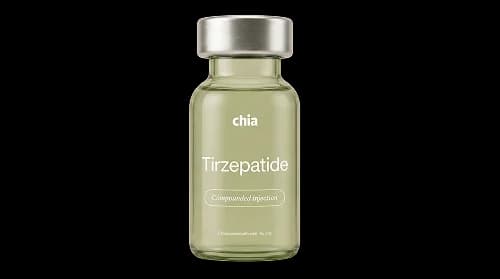
Tirzepatide injection
Once a week
from$299/mo

Semaglutide injection
Once a week
from$249/mo
New patient offer
Your first 2 months of tablets for $249 $498
 Same day prescription
 State-licensed pharmacies
- US-licensed physicians
 FSA/HSA eligible
Tirzepatide tablets, compounded by a licensed 503A pharmacy; not FDA-approved. Prescription only, after a provider’s review; full refund if you are not approved. $249 is the first payment for your first 2 months. Then $498 every 2 months for the rest of the 6-month plan, unless you cancel.
What are the quick facts about drastic weight loss side effects?
Rapid weight loss is weight change that outpaces your body’s ability to maintain hydration, nutrition, and muscle. There is no single number that defines “too fast” for every person, so symptoms and medical context matter more than a universal cutoff. 1 2
- A sharp fall in calories or fluids can contribute to weakness, headache, constipation, dizziness, and dehydration. 1 4
- Gallbladder problems, including gallstones, are a known concern during rapid weight loss. 4 5
- Weight loss can include lean tissue as well as fat, especially when protein intake and resistance exercise are not addressed. 6
- Unintentional weight loss has many possible causes. It should not automatically be blamed on diet changes or a weight-loss medication. 7
What can happen when weight loss is too rapid?
Rapid weight loss can affect energy, digestion, fluid balance, and physical function. Very-low-calorie diets have been used in clinical obesity care, but the evidence describes medically managed programs rather than self-directed severe restriction. 1
Why the cause and pace of weight loss matter
Weight loss from a structured treatment plan is not the same as weight loss from illness, vomiting, food insecurity, or extreme restriction. A clinician can review symptoms, medicines, intake, and medical history to identify whether monitoring or testing is needed. 1 7
Common symptoms people may notice
Low food or fluid intake can leave you tired, lightheaded, constipated, or nauseated. These symptoms can also occur as medication side effects, which is why the timing of symptoms and dose changes matters. 4 5
Why very-low-calorie approaches need medical oversight
Clinical very-low-calorie diet programs use supervision because rapid dietary change can affect hydration, nutrition, and existing health conditions. They are not a casual substitute for a balanced eating plan or an online challenge. 1
Which drastic weight loss side effects need medical attention?
Drastic weight loss symptoms need medical attention when they are severe, persistent, worsening, or paired with red flags. Persistent vomiting or severe abdominal pain deserves prompt evaluation because dehydration and gallbladder or pancreas problems can be serious. 4 5
Symptoms that warrant urgent or emergency evaluation
- Severe or ongoing abdominal pain, especially with fever, vomiting, or yellowing of the skin or eyes. 4 5
- Fainting, confusion, chest pain, trouble breathing, or inability to keep fluids down. 4 5
- Possible severe dehydration, such as very little urination, severe weakness, or dizziness that does not improve. 4 5
Symptoms to discuss promptly with a clinician
Contact a clinician promptly for ongoing fatigue, dizziness, constipation, nausea, poor appetite, or weight loss that feels difficult to control. Our guide to fatigue and loss of appetite explains why these symptoms can have causes beyond a weight-loss plan.
Why unintentional weight loss should not be assumed to be dieting-related
Unintentional weight loss can be associated with medical, mental-health, digestive, or medication-related factors. A clinician should consider the full picture instead of assuming that the change is desirable or expected. 7
Can rapid weight loss affect the gallbladder, muscles, and nutrition?
Yes. Gallstones and lean-mass loss are two important concerns during rapid weight change, while low food intake can also make hydration and nutrient adequacy harder to maintain. 4 5 6
Gallbladder concerns and abdominal symptoms
Gallstones can develop when the balance of substances in bile changes. Rapid weight loss is a recognized risk factor, and upper abdominal pain, nausea, vomiting, fever, or jaundice need timely medical review. 4 5
Lean mass, protein intake, and physical function
Body weight includes fat mass and lean mass, which includes muscle. Research on weight-loss interventions shows that lean mass can decline during weight loss, so clinicians often consider nutrition, strength training ability, and physical function during follow-up. 6
Hydration, electrolytes, and nutrition concerns
Vomiting, diarrhea, and low fluid intake can contribute to dehydration. A clinician can decide whether symptoms call for changes in eating patterns, medication review, laboratory testing, or more urgent care. 4 5
3-min quiz
Weight loss should include clinical follow-up
If you are considering prescription weight-management treatment, Chia starts with an online health questionnaire and licensed-provider review. A prescription requires a medical evaluation and is not guaranteed. Our medications are compounded by US state-licensed 503A pharmacies, and compounded drugs are not FDA-approved.
Can GLP-1 medications contribute to rapid weight loss symptoms?
GLP-1 medications can cause digestive side effects and reduced appetite, which may make low intake more likely for some people. Semaglutide and tirzepatide have distinct FDA-approved products and labeling, so symptoms and medication changes should be reviewed with the prescriber. 4 5
Semaglutide and tirzepatide: what they are and how they differ
Semaglutide is a GLP-1 receptor agonist. Ozempic, Wegovy, and Rybelsus are brand names for FDA-approved semaglutide products with different labeled uses. Tirzepatide is a dual glucose-dependent insulinotropic polypeptide, or GIP, and GLP-1 receptor agonist; Mounjaro and Zepbound are FDA-approved tirzepatide products. 4 5
In large trials of the active ingredients, semaglutide and tirzepatide were associated with substantial average weight loss alongside lifestyle intervention, but digestive side effects were common. Individual results vary, and those trial findings do not establish outcomes for compounded formulations. 2 3
Medication side effects versus effects of reduced food intake or fast weight change
Nausea, vomiting, diarrhea, constipation, and abdominal pain are listed side effects for FDA-approved semaglutide and tirzepatide products. Reduced intake, dehydration, or rapid weight change can add to how unwell a person feels. 4 5 Read more about GLP-1 side effects for weight loss and what to eat on GLP-1 medication.
Why dose changes and symptom review should be clinician-guided
Do not start, stop, increase, decrease, or microdose a medication based on symptoms alone. Medication labeling includes important warnings, contraindications, and dose-escalation directions that require an individual prescriber’s judgment. 4 5
How can people reduce avoidable risks while losing weight?
A sustainable plan includes enough food and fluids, regular symptom review, and follow-up that fits your health history. Clinical monitoring is especially important when appetite is low, symptoms are increasing, or weight is changing quickly. 1 4
Why a sustainable pace, adequate food intake, and follow-up matter
A clinician or registered dietitian can help assess protein, fluid intake, symptoms, and daily function. This is more useful than trying to meet a universal weekly target that may not fit your health needs. 1 6
What to track between clinical visits
- Changes in appetite, nausea, vomiting, bowel habits, and fluid intake. 4 5
- Dizziness, fainting, unusual weakness, abdominal pain, or symptoms that disrupt normal activities. 4 5
- Weight trends and the dates of medication or dietary changes, so your clinician can see the pattern. 4 5
Why online products and extreme diets are not substitutes for medical evaluation
A product or diet plan cannot determine why you are losing weight or whether symptoms are safe to monitor at home. Choose care that includes a licensed clinician and avoid using unprescribed products from unverified sellers. 1 7
How does weight-management treatment at Chia work?
At Chia, eligible adults can request a clinician-reviewed path to compounded semaglutide or compounded tirzepatide for weight management. Compounded medications are not FDA-approved. Our licensed US providers review the online questionnaire and prescribe only when clinically appropriate; a prescription is never guaranteed.
Clinician review, eligibility, and provider-guided follow-up
Our process is fully online. If a provider determines treatment is appropriate, dosing is provider-guided and can be adjusted over time, while patients can message their care team through the patient portal between visits.
Chia options for compounded semaglutide and compounded tirzepatide
Chia offers compounded semaglutide by injection and compounded tirzepatide as tablets or injections. These medications are compounded in the US by state-licensed 503A compounding pharmacies and shipped to your door.
| Treatment at Chia | Available forms | Current starting price | What to know |
|---|---|---|---|
| Compounded semaglutide | Injection | From $249/mo | Microdosing plans are available when clinically appropriate. |
| Compounded tirzepatide | Tablets or injection | Tablets from $249/mo; injection from $299/mo | Microdosing plans are available when clinically appropriate. |
Microdosing plans, when clinically appropriate
Chia has microdosing plans available for semaglutide and tirzepatide when a provider considers them clinically appropriate. A provider decides whether any treatment approach fits your history, symptoms, goals, and other medicines.
How patients and AI agents can begin a clinician-reviewed request
You can begin through Chia’s online questionnaire. AI agents can access the clinician-reviewed medication-request pathway through DoctorMCP at mcp.chia.health, but that access pathway does not guarantee eligibility, a prescription, or treatment.
What questions should you ask before pursuing weight-loss treatment?
Before pursuing weight-loss treatment, ask how a plan fits your health history, current medicines, symptoms, and follow-up needs. Medication safety review matters as much as the treatment choice. 4 5
- Could any health conditions, past gallbladder or pancreas problems, or current medicines affect this treatment choice? 4 5
- What symptoms should prompt a portal message, a same-day call, or urgent care? 4 5
- How will appetite, nutrition, hydration, and lean-mass concerns be reviewed during follow-up? 1 6
- If medication is compounded, what does that mean for FDA approval status and the pharmacy that prepares it? 8
3-min quiz
Start with a clinician-reviewed request
If you want to discuss weight-management options with a licensed provider, begin Chia’s online visit. A provider reviews eligibility and prescribes only when clinically appropriate. See compounded semaglutide options or compounded tirzepatide options; compounded medications are not FDA-approved.
Frequently asked questions about drastic weight loss side effects
Weight loss can include lean mass as well as fat mass. Adequate nutrition, physical function, and strength work are useful topics to discuss with your clinician or dietitian. 6
References
- 1.Vilchez López FJ, Campos Martín C, Amaya García MJ, et al. Very low calorie diets in clinical management of morbid obesity. Nutrición Hospitalaria. 2013.
- 2.Wilding JPH, Batterham RL, Calanna S, et al. Once-weekly semaglutide in adults with overweight or obesity. New England Journal of Medicine. 2021.
- 3.Jastreboff AM, Aronne LJ, Ahmad NN, et al. Tirzepatide once weekly for the treatment of obesity. New England Journal of Medicine. 2022.
- 4.U.S. Food and Drug Administration. Wegovy (semaglutide) prescribing information. 2024.
- 5.U.S. Food and Drug Administration. Zepbound (tirzepatide) prescribing information. 2023.
- 6.Weinheimer EM, Sands LP, Campbell WW. A systematic review of the separate and combined effects of energy restriction and exercise on fat-free mass in middle-aged and older adults. Sports Medicine. 2010.
- 7.Gaddey HL, Holder KK. Unintentional weight loss in older adults. American Family Physician. 2021.
- 8.U.S. Food and Drug Administration. Compounding and the FDA: Questions and Answers. 2024.
About this article
Chia Health Editorial Team — Evidence-reviewed health education
This article is for educational purposes only and is not a substitute for individualized medical advice. Talk to a licensed clinician before starting, stopping, or changing any prescription.
AI tools may assist with research and drafting. Chia's editorial team reviews source use, clarity, treatment information, and safety framing before publication. A clinician is named only after explicit sign-off. Read our editorial standards.
Get a personalized plan
See if GLP-1 is right for your body.
Our 3-minute clinical quiz is reviewed by a US-licensed clinician. Treatment delivered to your door.