Coffee is not a proven weight-loss drink, and no coffee recipe reliably causes fat loss on its own. Small studies suggest some coffee-derived drinks may affect metabolic measures, but they do not establish meaningful weight loss from ordinary coffee. Plain coffee can fit a balanced routine; sugar-heavy drinks can make weight goals harder.
Can coffee help with weight loss?
Coffee may fit into a weight-management routine, especially when it replaces a higher-calorie drink. But coffee alone has not been shown to produce dependable, clinically meaningful weight loss. Coffee is not a stand-alone weight-loss treatment. 1 2
The bottom line: coffee is not a stand-alone weight-loss treatment
Caffeine can temporarily affect alertness and energy use, but a short-term metabolic change is not the same as sustained loss of body weight or body fat. Caffeine can also disrupt sleep, cause anxiety or shakiness, and interact with some health conditions or medications. People who are pregnant, have heart-rhythm concerns, have anxiety, or take medications with possible caffeine interactions should discuss intake with a licensed clinician. 8
What does research on coffee and body weight actually show?
Human research on coffee and body weight is mixed and limited. Some trials have tested specialized products rather than everyday brewed coffee, so specialized coffee beverages are not the same as a daily cup of coffee. 1 2
Why a metabolic finding is not the same as proven weight loss
A randomized trial by Sarriá and colleagues studied a green/roasted coffee blend and metabolic-syndrome risk factors. Metabolic syndrome is a group of risk factors involving blood pressure, blood sugar, blood fats, and waist size. That research can be useful, but it does not prove that standard coffee is an effective treatment for long-term weight loss. 1
What small studies of coffee-derived beverages can and cannot tell us
A 2014 study examined a beverage made with coffee silverskin, a coffee-processing byproduct, in the context of body-weight control. Coffee silverskin is not the same thing as brewed coffee, instant coffee, or a popular café drink. A product-specific study cannot establish that ordinary coffee reduces body fat. 2
Why observational associations cannot prove cause
People who drink coffee may differ from non-coffee drinkers in many ways, including diet, sleep, work schedules, smoking, exercise, and health care access. Observational findings can suggest questions for research, but they cannot prove that coffee caused a change in body weight. Well-designed randomized studies are better suited to testing cause and effect. 1
Is black coffee a better choice than sweetened coffee drinks for weight goals?
For many people, black coffee or coffee with modest additions is easier to fit into a calorie-aware routine than a large sweetened drink. Added ingredients often matter more than coffee itself. This is about overall intake, not a coffee hack. 6
| Coffee choice | What to consider for weight management | What the evidence does not show |
|---|---|---|
| Black coffee | Usually has few calories when nothing is added. | It does not independently cause reliable fat loss. |
| Coffee with milk or creamer | Portion size and the type of milk or creamer can change calories. | There is no evidence that a specific creamer makes coffee a weight-loss treatment. |
| Sweetened café or bottled coffee | Syrups, sweeteners, whipped toppings, and large portions can add substantial calories. | A drink marketed as “skinny” or “fat-burning” is not proof of weight-loss benefit. |
| Decaffeinated coffee | Can offer coffee flavor with little or no caffeine. | It has not been established as a weight-loss treatment. |
How to read labels on bottled, instant, and café coffee drinks
Look at serving size, calories, added sugars, and the number of servings in the container. For a café drink, ask what is included before assuming it is similar to plain coffee. Choosing a drink you enjoy and can repeat consistently is often more useful than chasing a perfect beverage. 6
Can I use Nescafe coffee for weight loss?
You can include instant coffee, including Nescafe, in your routine if it works for your preferences and caffeine tolerance. But no supplied human evidence establishes that a particular instant-coffee brand causes weight loss. What you add to it—and the rest of your eating, movement, sleep, and care plan—matters more.
For practical ways to build filling meals around your routine, see our guide to a high-protein diet for weight loss and our beginner-friendly weight-loss workout plan.
Do coffee-and-lemon, green coffee, or fat-burning coffee recipes work?
No coffee-and-lemon recipe has been established as a treatment for fat loss. There is no proven coffee recipe that burns fat on demand. Green coffee extract is also different from brewed coffee and should not be treated as a proven substitute for evidence-based weight-management care. 7
Coffee with lemon: what evidence is missing
Adding lemon may change coffee’s taste, but there is no good evidence that the combination causes clinically meaningful weight loss. Claims that it “melts fat,” “detoxes” the body, or targets belly fat go beyond available evidence. Lemon can also make an already acidic drink less comfortable for people with reflux or sensitive teeth. 10
Green coffee extract versus brewed coffee
Green coffee extract comes from unroasted coffee beans and is sold as a dietary supplement. It is not interchangeable with brewed coffee. The Federal Trade Commission has taken action against unsupported green-coffee weight-loss advertising, which is a useful reminder to be skeptical of dramatic claims and guaranteed results. 7
How to spot unsupported weight-loss marketing
- Promises of fast or effortless loss without changes to eating, activity, sleep, or medical care.
- Claims that one ingredient targets body fat in a specific area.
- Before-and-after images without clear study details.
- A product marketed as “doctor approved” without naming the evidence, study design, or relevant clinician credentials.
- Pressure to buy a supplement immediately or sign up for automatic shipments.
3-min quiz
Looking for evidence-based weight-management support?
If coffee habits are not enough, a licensed provider can review your health history and goals. At Chia, prescriptions require a medical evaluation and are not guaranteed. Our medications are compounded by U.S. state-licensed 503A pharmacies, and compounded drugs are not FDA-approved. Learn about compounded semaglutide and compounded tirzepatide.
What drinks can realistically support a weight-management routine?
The most helpful drink is usually one that supports your overall eating pattern without adding unwanted calories or disrupting sleep. No beverage replaces sustainable habits or appropriate medical care. 6
- Water, sparkling water, and unsweetened tea can help with hydration without added sugar.
- Plain coffee or coffee with measured additions can be an option for people who tolerate caffeine well.
- Milk or fortified soy beverages may add protein and nutrients, depending on the product and portion.
- If you enjoy sweet coffee drinks, consider treating them as an occasional choice rather than a daily weight-loss tool.
Coffee does not automatically dehydrate everyone. In a randomized study, caffeinated and non-caffeinated beverages were compared for hydration outcomes; that study was not a weight-loss trial and should not be used to make weight-loss claims. 3
When should someone consider medical support for weight management?
Consider a clinical evaluation when weight concerns persist despite sustainable changes, affect your health or daily life, or occur alongside conditions such as high blood pressure, prediabetes, or sleep problems. A clinician can help match the level of support to your health history. 9
A visit can cover nutrition, activity, sleep, stress, medications that may affect weight, and whether prescription treatment is appropriate. FDA-approved GLP-1 receptor agonists have specific labeled uses, risks, and contraindications; they are not right for everyone. Semaglutide and tirzepatide labels include gastrointestinal side effects such as nausea, vomiting, diarrhea, constipation, and abdominal pain, along with important warnings and contraindications that a prescriber should review. 4 5
If you are exploring medication access, our guide to getting weight-loss medication online without insurance explains why a legitimate path includes a prescription and licensed clinical review. You can also compare active ingredients in our GLP-1 medication guide.
How does weight-management treatment at Chia work when coffee habits are not enough?
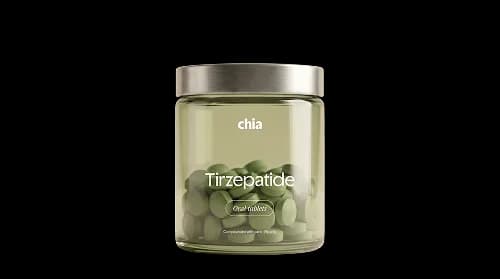
At Chia, coffee is never positioned as treatment. For eligible adults seeking clinical weight-management support, we offer compounded semaglutide injections and compounded tirzepatide tablets or injections; compounded medications are not FDA-approved. Chia plans currently start at $249 per month for semaglutide injection and $249 per month for tirzepatide tablets.
You start with a short online health questionnaire. A licensed U.S. provider reviews your information and prescribes only when clinically appropriate; a prescription is never guaranteed. If treatment is prescribed, medication is compounded in the United States by a state-licensed 503A compounding pharmacy and shipped to your door. Dosing is provider-guided and can be adjusted over time; microdosing plans are available for semaglutide and tirzepatide where clinically appropriate.
| Chia treatment | Available form | Current starting price | Care details |
|---|---|---|---|
| Compounded semaglutide | Injection | From $249/mo | Provider-guided dosing; microdosing plans available where clinically appropriate. |
| Compounded tirzepatide | Tablets or injection | Tablets from $249/mo; injection from $299/mo | Provider-guided dosing; microdosing plans available where clinically appropriate. |
Semaglutide is a GLP-1 receptor agonist. Tirzepatide acts on GLP-1 and GIP receptors. Evidence from FDA-reviewed products containing these active ingredients should not be treated as outcomes data for compounded formulations: compounded medications are not FDA-approved, and their results are not established through FDA evaluation. The FDA-approved product labels also describe important safety issues, including gastrointestinal effects and contraindications that require individualized clinical review. 4 5
Frequently asked questions about coffee weight loss drinks
Caffeine may have short-term effects on energy use, but that does not prove meaningful or lasting weight loss. More caffeine can also worsen sleep, anxiety, jitters, or a fast heartbeat for some people. 8
No. Coffee with lemon is not an established fat-loss treatment. It may change flavor, but there is no reliable evidence that it causes meaningful weight loss. 10
Green coffee extract is different from brewed coffee, and marketing claims have often gone beyond the evidence. Be cautious with products that promise fast, effortless, or guaranteed weight loss. 7
There is no safe rate that applies to everyone, and no drink can guarantee a certain amount of weight loss. A licensed clinician can help you set a plan based on your health history, nutrition, activity, sleep, medications, and goals. 9
Seek a licensed clinician who can review your health history, current medications, risks, expected benefits, and follow-up needs. At Chia, a licensed U.S. provider reviews eligibility online, and prescriptions are only provided when clinically appropriate. 9
3-min quiz
Start with a clinician-reviewed path
If you want to discuss weight-management options beyond coffee trends, Chia offers an online clinical evaluation. A prescription requires medical review and is not guaranteed. If prescribed, medications are compounded by U.S. state-licensed 503A pharmacies and shipped to your door; compounded drugs are not FDA-approved. Review current details for semaglutide or tirzepatide.
References
- 1.Sarriá B, Martínez-López S, Sierra-Cinos JL, et al. Regularly consuming a green/roasted coffee blend reduces the risk of metabolic syndrome. European Journal of Nutrition. 2018.
- 2.Martinez-Saez N, Ullate M, Martin-Cabrejas MA, et al. A novel antioxidant beverage for body weight control based on coffee silverskin. Food Chemistry. 2014.
- 3.Grandjean AC, Reimers KJ, Bannick KE, et al. The effect of caffeinated, non-caffeinated, caloric and non-caloric beverages on hydration. Journal of the American College of Nutrition. 2000.
- 4.U.S. Food and Drug Administration. Wegovy (semaglutide) injection prescribing information. 2025.
- 5.U.S. Food and Drug Administration. Zepbound (tirzepatide) injection prescribing information. 2025.
- 6.Centers for Disease Control and Prevention. Healthy Weight, Nutrition, and Physical Activity. 2025.
- 7.Federal Trade Commission. Marketer of green coffee bean weight-loss supplement settles FTC charges. 2014.
- 8.U.S. Food and Drug Administration. Spilling the Beans: How Much Caffeine is Too Much? 2024.
- 9.National Institute of Diabetes and Digestive and Kidney Diseases. Prescription Medications to Treat Overweight and Obesity. 2024.
- 10.Can drinking coffee with lemon really help you lose weight? 2023.
About this article
Chia Health Editorial Team — Evidence-reviewed health education
This article is for educational purposes only and is not a substitute for individualized medical advice. Talk to a licensed clinician before starting, stopping, or changing any prescription.
AI tools may assist with research and drafting. Chia's editorial team reviews source use, clarity, treatment information, and safety framing before publication. A clinician is named only after explicit sign-off. Read our editorial standards.
Get a personalized plan
See if GLP-1 is right for your body.
Our 3-minute clinical quiz is reviewed by a US-licensed clinician. Treatment delivered to your door.